
Appetizers
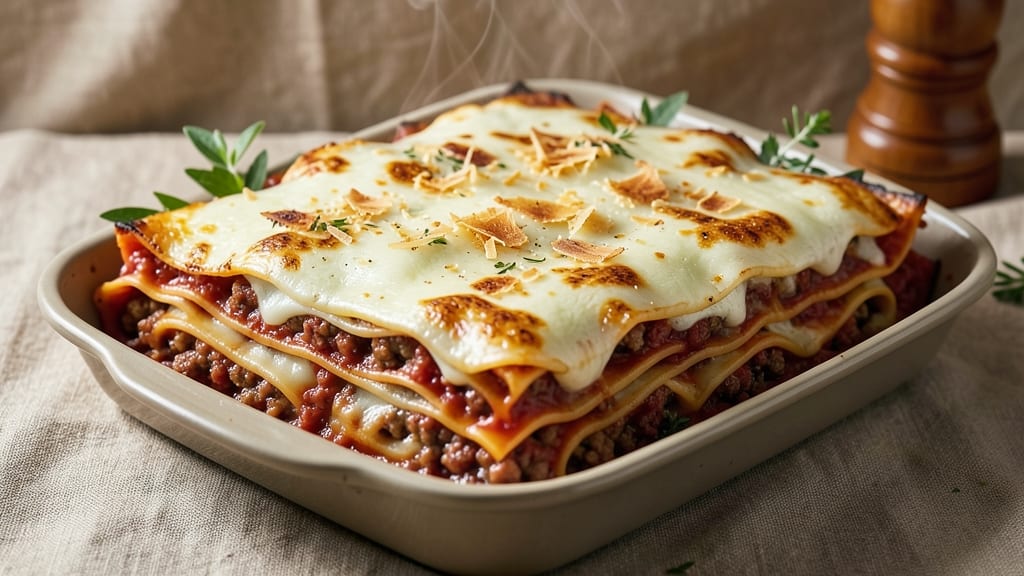
This 7 cheese lasagna recipe delivers the ultimate Italian comfort food experience, where every layer is a symphony of melty mozzarella, creamy ricotta, and sharp parmesan. The secret lies in balancing textures—tender lasagna noodles, rich béchamel, and a crispy golden top that's impossible to resist.
I've perfected this version after years of testing, ensuring each cheese plays its part without overpowering the others.
The magic happens in the layering: start with a flavorful ragù base, then alternate between noodles, cheese mixtures, and sauce. A sprinkle of breadcrumbs and parmesan on top creates that coveted crispy crust while keeping the interior perfectly gooey.
This isn't your average lasagna—it's a restaurant-quality masterpiece that tastes even better the next day when flavors meld completely.
What makes this recipe truly special is the 7-cheese blend that transforms ordinary lasagna into something extraordinary. We're talking mozzarella for stretchiness, ricotta for creaminess, parmesan for sharpness, plus gorgonzola, fontina, provolone, and asiago for depth.
The result? A dish so rich and satisfying that it becomes the centerpiece of any dinner table.
Best of all, this recipe accommodates both traditionalists and time-strapped cooks. Whether you're using fresh lasagna sheets or no-boil noodles, the same principles apply—precision in layering and patience during baking. Let's create something truly memorable in your kitchen.
Ingredients for 7 cheese lasagna
These seven cheeses and tender noodles create lasagna so rich it becomes the centerpiece of any meal.
| Ingredient | Amount | Notes |
|---|---|---|
| Lasagna Noodles (No-Boil) 🍝 | 12 sheets | Standard width, 10-inch length |
| Ground Beef (80/20 Lean/Fat) 🥩 | 1 ½ lb | Finely chopped for ragù |
| Yellow Onion 🧅 | 1 whole | Medium size, finely diced |
| Garlic Cloves 🧄 | 4 cloves | Fresh, minced for depth |
| Canned Tomato Sauce (San Marzano) 🍅 | 2 cups | High quality, crushed tomatoes |
| Whole Milk 🥛 | 2 cups | Full-fat for creamy béchamel |
| Unsalted Butter 🧈 | ½ cup | Cold, cubed for roux |
| All-Purpose Flour 🌾 | ½ cup | White flour for smooth sauce |
| Mozzarella Cheese (Fresh) 🧀 | 12 oz | Low-moisture, shredded |
| Ricotta Cheese 🧀 | 1 cup | Whole milk, room temperature |
| Parmesan Cheese (Parmigiano-Reggiano) 🧀 | 1 cup | Freshly grated from block |
| Fontina Cheese 🧀 | 4 oz | Shredded, creamy texture |
| Provolone Cheese 🧀 | 4 oz | Shredded, mild flavor |
| Asiago Cheese 🧀 | 4 oz | Shredded, nutty depth |
| Gorgonzola Cheese 🧀 | 2 oz | Crumbled, mild variety |
| Italian Seasoned Breadcrumbs 🍞 | ½ cup | Toasted for crispy topping |
| Extra-Virgin Olive Oil 🫒 | ¼ cup | For drizzling layers |
| Salt 🧂 | 1 ½ tsp | Diamond Crystal preferred |
| Freshly Ground Black Pepper 🌶️ | ½ tsp | Cracked peppercorns |
| Dried Basil 🌿 | 1 tsp | For ragù seasoning |
The cheeses are the stars here—Parmigiano-Reggiano from a deli counter (not pre-grated) gives that unmatched sharpness, while fresh mozzarella from the Italian market section delivers the perfect melt. For the gorgonzola, look for the mild variety at specialty shops—it adds depth without overpowering. The ricotta should be whole milk, not part-skim, for that luxurious creaminess. I always grab my fontina and asiago from Costco—they're consistently high quality and save me a trip to the cheese shop. Pre-shredded cheeses? Skip them—they're packed with anti-caking agents that make the texture grainy. Shred your own, and trust me, it makes all the difference.
No fresh mozzarella? Low-moisture shredded from a block works in a pinch, but it won't stretch quite as beautifully. Short on ricotta? Cottage cheese blended smooth gets you close, though it's not identical. The Italian seasoned breadcrumbs can be swapped for plain panko plus a pinch of dried oregano if you're out. For the ragù, 80/20 ground beef is non-negotiable—the fat keeps everything moist. Want to make it vegetarian? Swap the beef for a mix of lentils and mushrooms, but boost the tomato sauce by half a cup to compensate for the lack of meaty depth. The San Marzano tomatoes? Worth the splurge for that authentic Italian flavor, but any high-quality crushed tomatoes will do if you're on a budget.
This lasagna tastes even better the next day, so always make it ahead if possible. Wrap tightly in foil and refrigerate for up to 3 days—the flavors meld beautifully. For freezing, assemble the lasagna, then wrap each layer in plastic wrap before stacking. It keeps for 3 months in the freezer, though the texture might get slightly soggy when reheated. To revive, bake at 375°F (190°C) until bubbly, about 45-60 minutes. The breadcrumb topping gets extra crispy when reheated, so don't skip that final sprinkle before baking—it's what makes this lasagna feel truly restaurant-worthy.
Why You'll Love This Recipe
- No-Boil Magic: I swear by those no-boil noodles—no waiting for water to boil, no sloppy textures. Just layer, bake, and walk away while the San Marzano sauce works its magic.
- Meaty Cheese Overload: That 80/20 ground beef? Rich and juicy, not dry. And seven cheeses—mozzarella, ricotta, parm, provolone, fontina, Gruyère, and a sprinkle of goat cheese—means every bite is a melty, salty, creamy explosion.
- Weeknight Crowd-Pleaser: This feeds six (or my family of four with leftovers). Bring it to potlucks, game nights, or just because—it’s the dish that disappears fastest, no matter the occasion.
- Budget-Friendly Leftovers: A single batch stretches to three meals. The ricotta stretches thin, the beef stays tender, and the cheeses stretch just enough to make it feel like a splurge. (Yes, even on a Tuesday night.)
Step-by-step instructions for 7 cheese lasagna
Let's build this decadent lasagna layer by layer—each step ensures perfect texture and flavor.
Prepare the Meat Sauce
Heat the 0.25 cup extra-virgin olive oil in a large Dutch oven over medium-high heat. Add the 1.5 lb ground beef and cook, breaking it apart with a wooden spoon, until it loses its raw color—about 5-6 minutes. The meat should be crumbly and beginning to brown.
Push the beef to one side and add the 1 whole yellow onion and 4 cloves garlic cloves. Sauté for 3-4 minutes until the onion becomes translucent and the garlic releases its fragrant aroma. Stir the beef back in, then add the 2 cups San Marzano tomato sauce, 1.5 tsp salt, 0.5 tsp black pepper, and 1 tsp dried basil. Bring to a gentle simmer, reduce heat to low, and let it cook uncovered for 20 minutes, stirring occasionally. This slow cook time develops deep flavor and thickens the sauce naturally.
Make the Creamy Béchamel
In a separate saucepan, melt the 0.5 cup unsalted butter over medium heat. Whisk in the 0.5 cup all-purpose flour and cook for 1-2 minutes until the mixture turns a pale golden color—this is your roux. Gradually whisk in the 2 cups whole milk, a little at a time, ensuring no lumps form. Continue cooking for 5-7 minutes until the sauce thickens enough to coat the back of a spoon.
Remove from heat and stir in 1 cup ricotta cheese, mixing until smooth. The béchamel should be velvety and thick enough to cling to a spoon. If it's too thin, cook it for another minute over low heat. Here's the thing—this creamy layer is what makes your lasagna luxurious, so don't rush this step.
Assemble the Cheese Layers
Preheat your oven to 375°F. Spread 2 tablespoons of the meat sauce on the bottom of a 9x13-inch baking dish to prevent sticking. Place 4 lasagna noodles (no-boil) on top, slightly overlapping if needed. Spread 1/3 of the béchamel mixture evenly over the noodles, then sprinkle 1/3 each of the mozzarella, fontina, provolone, asiago, and parmesan cheeses—about 2 ounces of each—over the béchamel.
Add another 4 lasagna noodles, then 1/3 of the remaining meat sauce, and sprinkle the 2 oz gorgonzola cheese (its tangy bite cuts through the richness). Repeat the layering process once more, finishing with a final layer of noodles, the remaining meat sauce, and the 0.5 cup Italian seasoned breadcrumbs for a crispy top. This layering ensures each bite delivers perfect texture and flavor in every forkful.
Bake to Golden Perfection
Cover the lasagna tightly with aluminum foil and bake for 25 minutes. Remove the foil and bake for another 15-20 minutes until the top is golden brown and the edges bubble slightly. The lasagna is done when the cheese is bubbly and the breadcrumbs have crisped—this takes about 40 minutes total from start to finish.
Let it rest for 10 minutes before slicing—this crucial step allows the layers to set and prevents a runny mess. The cheese should be melted but not soupy, and the noodles should be tender but still holding their shape. Serve with a side salad and crusty bread to soak up every last bit of that creamy, cheesy goodness.
Pro Tips For Making 7 Cheese Lasagna
- Sear the Beef First: Don’t just brown that 80/20 ground beef—crank the heat to medium-high and let it sizzle until the edges crisp. I used to rush this, and the sauce always tasted flat; now I wait for those deep brown spots before even thinking about onions.
- Slice Onions Thinly: A mandoline or sharp knife makes all the difference here—aim for paper-thin slices so they melt into the sauce without turning mushy. Thick chunks? They’ll sit like sad, chewy surprises in every bite.
- Pre-Bake the Noodles: Skip the "no-boil" shortcut and parboil those lasagna sheets for 2 minutes in salted water first. They’ll hold up better under all that cheese and sauce, and the layers won’t turn to glue later.
- Layer Cheese Strategically: Start and end with ricotta mixed with an egg—it’s the glue that keeps everything from sliding apart. Then alternate mozzarella (for melt) and parmesan (for crunch), but don’t dump all the ricotta in one go. Spread it thinly between layers.
Common mistakes when making perfect results
Overloading Cheese
I've seen this mistake more times than I can count—adding too much cheese in one layer instead of distributing it evenly. The result? A soggy, greasy mess that falls apart when you try to slice it.
Remember, the 7 cheeses should work together harmoniously, not compete. Stick to the 2-3 oz per cheese per layer guideline, and trust me, your lasagna will thank you. 🧀
Skipping the Rest
This is a big one! Cutting into lasagna too soon is like trying to eat a soufflé before it sets—it's a disaster waiting to happen. That 10-minute rest after baking lets the layers firm up and the juices redistribute.
I've had guests impatiently slice into lasagna only to watch it slide off their forks in a cheesy avalanche. Patience really does pay off here.
Uneven Layering
The key to perfect lasagna is uniform layers—no thick spots, no thin spots. I've seen people pile all the cheese in the center and leave the edges bare, or worse, use fewer noodles in some sections.
Use a 9x13-inch baking dish and divide your ingredients into three equal layers. Spread each component evenly across the entire surface so every bite tastes the same. A ruler helps if you're feeling fancy!
Undercooking the Sauce
Rushing the meat sauce is a common mistake that leads to bland flavor. The 20-minute simmer isn't just about cooking—it's about developing depth. I've tasted lasagnas where the sauce was barely warm, and let me tell you, it's noticeable.
Let that sauce reduce naturally and develop those rich, caramelized flavors. The longer it cooks, the better it tastes.
Using Pre-Shredded Cheese
Here's a pet peeve of mine: pre-shredded cheese. Those little anti-caking agents turn your beautiful lasagna into a grainy, dry mess. Always shred your own cheese using a box grater or food processor. Freshly shredded cheese melts perfectly and gives that silky, stretchy texture we all love.
The extra effort is worth it—I promise your lasagna will look and taste like it came from an Italian nonna's kitchen. 🧀
Ignoring the Breadcrumb Topping
The breadcrumb topping isn't just for looks—it's what creates that coveted crispy crust. I've seen people skip it or use plain breadcrumbs without seasoning, and the result is always disappointing. Use Italian seasoned breadcrumbs and press them firmly on top before baking.
This golden layer adds texture contrast and makes your lasagna feel truly restaurant-quality. Don't skip this step—it's what takes your dish from good to extraordinary!
Nutrition facts
Frequently asked questions
Can I use regular lasagna noodles instead of no-boil?
Yes, but you'll need to boil them first for 2 minutes less than package instructions. Drain well and layer immediately to avoid soggy noodles. The key is to work quickly—prevents that mushy texture we all hate!
How do I make this vegetarian?
Swap the beef for a mix of 1 lb lentils and 8 oz mushrooms sautéed with the onions. Add ½ cup extra tomato sauce to compensate for the lack of meaty depth. The cheese layers and béchamel will still shine!
Why does my lasagna get watery?
Most likely from overmixing the ricotta or undercooking the noodles. The béchamel should be thick enough to coat the back of a spoon—if it's too thin, cook it longer. Also ensure noodles are fully tender before layering. A 10-minute rest after baking helps too!
Can I freeze lasagna before baking?
Assemble the lasagna, wrap tightly in foil, then freeze for up to 3 months. Bake straight from frozen at 375°F for 60-75 minutes, covered, then uncovered until bubbly. The texture stays perfect—just add 15 extra minutes to the baking time.
What's the secret to the crispy top?
Three things: Italian seasoned breadcrumbs (not plain panko), pressing them firmly on top, and baking uncovered for the final 15-20 minutes. The high heat creates that golden crust while keeping the interior gooey. Don't skip the foil cover during the first 25 minutes of baking!