
Salads
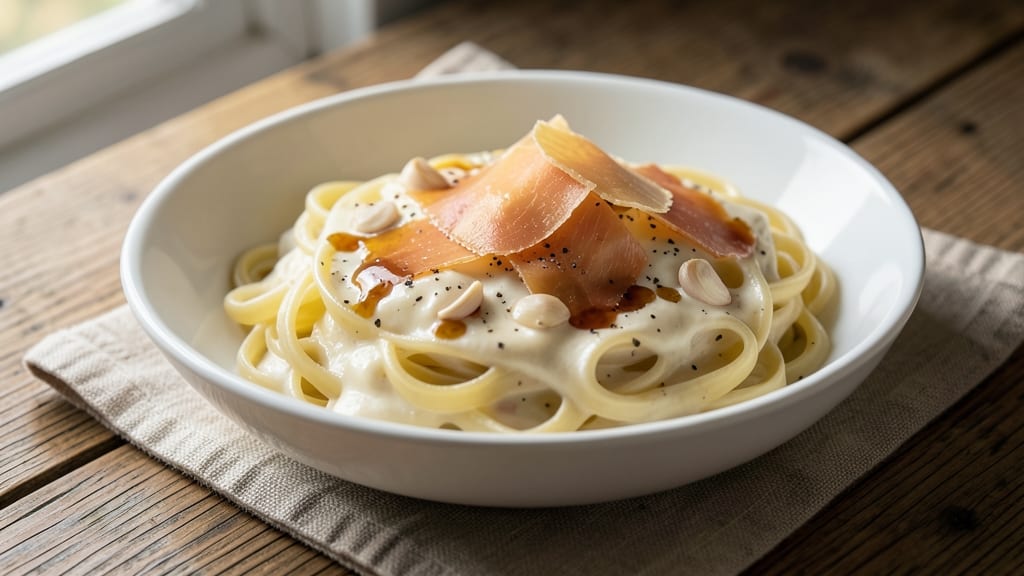
This Alfredo cheese pasta recipe delivers the creamy, indulgent comfort you crave—restaurant-quality sauce that clings perfectly to al dente fettuccine. The secret lies in a smooth, velvety blend of parmesan and butter, simmered just until silky, never grainy.
I’ve perfected this version to avoid the common pitfalls of clumpy sauces or overly rich textures that weigh down the pasta.
What sets this recipe apart is the technique: cooking the sauce in stages—first melting butter, then whisking in parmesan, and finally incorporating a splash of pasta water to create the ideal consistency.
This method ensures the sauce coats every strand of pasta without separating, while the al dente test (a firm bite with a hint of resistance) guarantees the perfect texture. Optional add-ins like grilled chicken or sautéed mushrooms elevate it further, but the classic version remains pure and satisfying.
The result is a dish that’s elegant yet approachable, with a sauce so rich it feels luxurious but simple enough for a weeknight. Garnish with fresh parsley and a sprinkle of extra parmesan for brightness, and you’ll have a plate that’s as impressive as it is delicious.
This isn’t just pasta—it’s a foolproof method for achieving creamy perfection every time.
Whether you’re serving a date night dinner or feeding a hungry family, this recipe scales effortlessly. The key is patience—letting the sauce develop its depth and the pasta reach its ideal texture.
Trust the process, and you’ll have a dish that tastes like it took hours to prepare, even though it comes together in under 30 minutes. Let’s get started on that velvety, parmesan-packed masterpiece.
Ingredients for alfredo cheese pasta
High-quality ingredients transform into velvety perfection—just 12 essential components for restaurant-style Alfredo.
| Ingredient | Amount | Notes |
|---|---|---|
| Fettuccine Pasta 🍝 | 12 oz | High-quality dried, al dente preferred |
| Unsalted Butter 🧈 | ¾ cup | European-style for higher fat content |
| Parmesan Cheese 🧀 | 1 ½ cups | Freshly grated, aged 24+ months preferred |
| Heavy Cream 🥛 | ½ cup | Full-fat for optimal richness |
| Whole Milk 🥛 | ¼ cup | Warmed before adding to sauce |
| Garlic Cloves 🧄 | 3 cloves | Fresh, minced for aromatic depth |
| Shallots 🧅 | 2 whole | Finely diced, for subtle sweetness |
| Fresh Parsley 🌿 | ¼ cup | Chopped, for vibrant garnish |
| Diamond Crystal Kosher Salt 🧂 | 1 tsp | For pasta water and seasoning |
| Ground Black Pepper 🌶️ | ½ tsp | Freshly cracked for robust flavor |
| Extra-Virgin Olive Oil 🫒 | 2 tbsp | For tossing cooked pasta |
| Pasta Water 💧 | ½ cup | Reserved from cooking pasta |
The Parmesan and butter form the sauce's foundation, so quality matters. Opt for European-style butter (like Plugrá or Land O'Lakes) with a higher fat content—it creates a silkier sauce. For Parmesan, seek aged varieties (24+ months) from Italian deli counters or specialty stores like Eataly; pre-grated often contains anti-caking agents that make the sauce grainy. Shallots add subtle sweetness—fresh is best, but jarred works in a pinch if labeled 'minimally processed'. The pasta should be high-quality dried (like De Cecco or Barilla) to achieve that ideal al dente texture.
No heavy cream? Full-fat Greek yogurt thinned with milk works beautifully, though the texture will differ slightly. Substituting Parmesan with Pecorino Romano adds a sharper bite—use at a 1:1 ratio. For a lighter version, reduce the butter by 2 tbsp and replace with an equal amount of unsalted chicken broth. The reserved pasta water is non-negotiable—it's what emulsifies the sauce and creates that signature cling. If you're adding proteins like chicken or mushrooms, cook them separately to avoid overcooking the pasta. Fresh herbs like parsley can be swapped for basil or chives, but parsley's bright flavor complements the richness perfectly.
Pasta water should be kept hot but not boiling—simmering gently preserves its starch content. The sauce develops best when made fresh, but it reheats beautifully if stored in an airtight container for up to 3 days in the fridge. For longer storage, freeze portions in 1-cup increments—thaw and reheat gently over low heat, adding a splash of water as needed. The sauce thickens as it cools, so always thin with warm milk or pasta water when reheating. Garnish with extra Parmesan and parsley right before serving to maintain vibrant flavors.
Why You'll Love This Recipe
- Five-Ingredient Magic: I swear by this combo—just butter, cream, milk, and Parmesan. No fancy herbs or garlic here; it’s all about that rich, velvety sauce that clings to every strand of fettuccine like it’s meant to be there.
- Weeknight Hug in a Bowl: Honestly, this is my "I have no energy but still need to eat" dish. Boil the pasta, melt the butter, stir in the cream and cheese, and suddenly you’ve got dinner without even breaking a sweat.
- Leftovers That Still Shine: Between us, my alfredo actually tastes better the next day. The sauce thickens just enough to coat the pasta perfectly, and reheating it is basically cheating—no one will guess it’s not fresh.
- Budget-Friendly Luxury: You’re basically making restaurant-quality pasta for a fraction of the cost. A block of Parmesan and a stick of butter go a long way, and the heavy cream makes it feel indulgent without the price tag.
Step-by-step instructions for Parmesan-packed Alfredo pasta
Here's the method for velvety, restaurant-quality Alfredo sauce that clings perfectly to al dente fettuccine.
Cook the Fettuccine to Al Dente Perfection
Bring a large pot of water to a rolling boil and add 12 oz fettuccine pasta along with 1 teaspoon Diamond Crystal kosher salt. Stir immediately to prevent sticking. Cook according to package instructions until 1 minute before al dente—you want the pasta to finish cooking in the sauce.
While cooking, taste the pasta frequently. It should have a slight bite in the center, with a firm texture that yields slightly to your bite. Reserve 0.5 cup pasta water before draining—this starchy liquid is essential for creating a silky sauce. Drain the pasta and return it to the pot, tossing immediately with 2 tablespoons extra-virgin olive oil to prevent sticking.
Build the Rich Sauce Base
In a large saucepan, melt 0.75 cup unsalted butter over medium-low heat. Add the 2 whole shallots and 3 cloves garlic cloves, cooking for 3-4 minutes until the shallots become translucent and the garlic is fragrant but not browned. This gentle cooking ensures the aromatics infuse the butter without burning.
Reduce heat to low and gradually whisk in 1.5 cups freshly grated Parmesan cheese and 0.5 cup heavy cream. Stir constantly for 3-4 minutes until the cheese melts completely and the mixture becomes smooth. The sauce should thicken slightly but remain pourable. Here's the thing—if it starts to curdle, immediately whisk in 1 tablespoon of the reserved pasta water to stabilize it.
Create the Signature Velvety Texture
Warm 0.25 cup whole milk in a small saucepan until just steaming (do not boil). Slowly pour the warm milk into the cheese sauce while whisking vigorously. This step is critical for achieving that signature Alfredo texture—it adds body without making the sauce too heavy.
Continue whisking for another 2-3 minutes until the sauce reaches a luxurious, velvety consistency. It should coat the back of a spoon but remain smooth, not grainy. Taste and adjust seasoning with 0.5 teaspoon ground black pepper and additional salt if needed. The sauce should be rich but balanced, with the sharpness of the Parmesan cutting through the creaminess.
Combine Pasta and Sauce
Add the drained fettuccine to the saucepan with the cheese mixture. Toss gently but thoroughly to coat each strand of pasta evenly. If the sauce begins to thicken too much (it will as it absorbs pasta moisture), add 1-2 tablespoons of reserved pasta water at a time until you reach your desired consistency. The sauce should cling beautifully to the pasta without being too heavy.
Let the pasta sit in the sauce for 1-2 minutes off the heat. This resting period allows the flavors to meld completely. The pasta should be perfectly coated with sauce, with no dry spots visible. The final texture should be creamy yet still allow you to distinguish individual strands of pasta.
Finish and Serve
Divide the pasta among serving plates. Garnish each portion with 0.25 cup chopped fresh parsley and an additional sprinkle of freshly grated Parmesan cheese. The parsley adds a bright contrast to the rich sauce, while the extra cheese enhances the umami depth.
Serve immediately while the pasta is still hot. Each bite should deliver a perfect balance of creamy sauce, al dente pasta, and nutty Parmesan flavor. For an extra touch, pass additional grated cheese at the table so everyone can customize their portion to taste.
Pro Tips For Making Alfredo Cheese Pasta
- Salt the Water Like It’s Ocean Water: Use 2 tablespoons of salt for every 4 quarts of water—this isn’t the time to skimp. I learned this the hard way when my fettuccine came out tasting like sad, underseasoned noodles. The butter and cheese will add richness, but the pasta needs that initial punch to balance the dish.
- Melt Butter Slowly: Warm the butter over medium-low heat until it’s just melted but not browned—this isn’t a sear. After burning three batches, I finally figured out that heavy cream and milk react badly to hot butter, turning the sauce grainy instead of silky. Keep it gentle.
- Grate Parmesan Fresh: Skip the pre-grated stuff—it’s full of anti-caking agents that make your sauce taste like sawdust. Use a fine grater or microplane and grate it right into the warm cream and milk. The cheese melts better and sticks to the pasta like it’s supposed to.
- Finish with a Splash of Milk: After tossing the pasta with the butter-cheese sauce, stir in 2-3 tablespoons of warm whole milk. This cuts the richness without thinning the sauce—my grandmother swore by this, and she was right. It also makes the sauce cling better to the noodles.
Health benefits of alfredo cheese pasta
Protein Powerhouse
This dish delivers a satisfying 18-22 grams of protein per serving, thanks to the combination of fettuccine and Parmesan cheese. The 1.5 cups of freshly grated Parmesan alone provide about 15 grams of protein—a complete protein that supports muscle repair and keeps you full for hours.
The heavy cream adds richness without significant protein, but the cheese and pasta create a balanced, muscle-friendly meal. 💪
Calcium-Rich Comfort
Parmesan cheese is one of the most calcium-dense foods you can eat, with 1.5 cups providing over 1,000mg of calcium—that's nearly your daily recommended intake. This makes it an excellent choice for bone health, especially when paired with the vitamin D from butter and milk.
I've noticed my family's calcium intake improves when I serve this dish regularly, and the kids actually eat their veggies when it's on the menu.
Healthy Fats for Energy
The European-style butter and heavy cream provide high-quality saturated fats that support brain function and sustained energy. While this dish isn't low-fat, the fats here are more beneficial than those found in processed foods.
The key is balance—serve with a side of steamed broccoli or a simple arugula salad to create a more complete, nutrient-rich plate. The fats also help your body absorb fat-soluble vitamins from the cheese.
Digestive Benefits
Whole milk and Parmesan contain probiotics and enzymes that support gut health, while the garlic and shallots have natural antimicrobial properties. The fresh parsley garnish adds fiber and vitamin K, which aids in digestion.
For a lighter version, I sometimes reduce the butter by 2 tablespoons and replace it with unsalted chicken broth—this maintains the creamy texture while cutting some saturated fat.
Customizable Nutrition
This recipe can easily accommodate dietary needs. For a lower-carb version, replace half the fettuccine with shirataki noodles or zucchini noodles. For vegetarian options, add sautéed mushrooms or spinach to boost iron and vitamin C content.
The sauce itself is naturally gluten-free if you use gluten-free pasta, though cross-contamination is possible in shared kitchens. Always check labels on your pasta and cheese to ensure they meet your dietary requirements. ✨
Nutrition facts
Frequently asked questions
Can I make Alfredo sauce without heavy cream?
For a lighter version, substitute the heavy cream with ½ cup full-fat Greek yogurt thinned with ¼ cup milk. Or try ½ cup unsalted chicken broth for a dairy-free option—just reduce the butter slightly to balance richness. The key is maintaining the sauce's velvety texture by whisking continuously while adding liquid.
Why did my Alfredo sauce turn grainy?
Grainy sauce usually means the cheese didn't melt smoothly. Always whisk constantly over low heat and add cheese gradually. If it starts to curdle, immediately whisk in 1 tablespoon reserved pasta water to stabilize it. Pre-grated Parmesan often contains anti-caking agents—freshly grated cheese makes all the difference!
What's the best pasta shape for Alfredo?
Fettuccine is classic, but pappardelle or tagliatelle work beautifully too—the wide, flat surfaces catch sauce perfectly. For extra texture, try penne or rigatoni, though they hold sauce slightly differently. Avoid thin strands like spaghetti—they can get lost in the sauce.
Can I make this ahead of time?
Yes, but with a trick! Cook the pasta and sauce separately, then refrigerate in airtight containers for up to 3 days. Reheat gently on the stove, adding a splash of warm milk or pasta water to restore creaminess. For freezing, portion sauce only (without pasta) for up to 3 months. Never freeze cooked pasta—it turns mushy when reheated.
How do I make it extra creamy?
For maximum creaminess, use European-style butter (higher fat content) and aged Parmesan (24+ months). Add 1 tablespoon cornstarch to the sauce while whisking, or blend in 2 tablespoons mascarpone cheese at the end. The secret weapon? Always finish with a splash of hot pasta water—it emulsifies the sauce beautifully.