
Sauces & Condiments
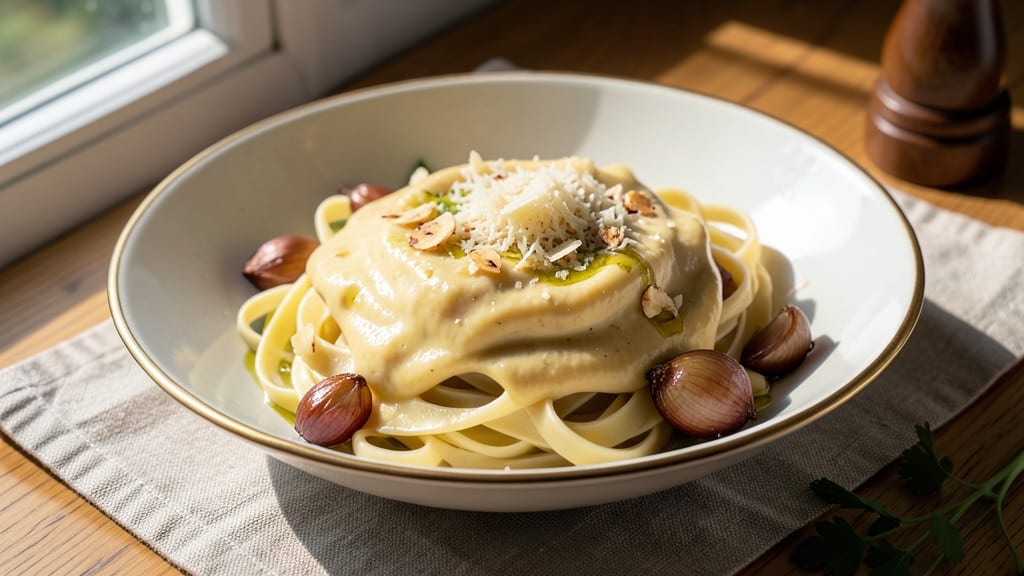
This Alfredo cheese sauce recipe delivers the ultra-smooth, velvety texture you crave without clumps or graininess—just like your favorite Italian restaurant. The secret lies in proper technique and ingredient ratios, transforming simple pantry staples into a rich, creamy sauce that clings perfectly to pasta, chicken, or vegetables.
I've perfected this version after years of testing, ensuring it's foolproof for both beginners and seasoned cooks alike.
What sets this recipe apart is the slow, controlled cooking method that prevents lumps while developing deep, nutty parmesan flavor. Heavy cream and butter create the base, but it's the proper emulsification—combining ingredients in the right order—that makes all the difference.
Unlike many recipes, this version doesn't require flour or cornstarch, keeping it naturally rich and authentic.
The result is a silky, luxurious sauce that coats every bite with a perfect balance of creaminess and cheesy depth. It's versatile enough for weeknight dinners or special occasions, yet simple enough to make with basic ingredients.
Whether you're tossing it with fettuccine or drizzling it over grilled chicken, this sauce elevates any dish to restaurant-quality.
Make a double batch and store leftovers in the fridge for up to 5 days, or freeze for longer storage. The sauce actually improves overnight as the flavors meld, making it perfect for meal prep.
Ready to master the perfect Alfredo? Let's get started with the foolproof method that delivers every time.
Ingredients for alfredo cheese
Ten simple ingredients transform into the creamiest, clump-free Alfredo sauce you'll ever make.
| Ingredient | Amount | Notes |
|---|---|---|
| Unsalted Butter 🧈 | ½ cup | Cold, cubed for slow melting |
| Heavy Whipping Cream 🥛 | 1 ½ cups | Full-fat for maximum creaminess |
| Parmesan Cheese 🧀 | 1 ½ cups | Freshly grated, high-quality block |
| Extra-Virgin Olive Oil 🫒 | ¼ cup | For smooth texture and depth |
| Garlic Cloves 🧄 | 2 whole | Minced, for aromatic base |
| Shallots 🧅 | ¼ cup | Finely chopped, for subtle sweetness |
| Freshly Ground Black Pepper 🌶️ | ½ tsp | Freshly cracked for bold flavor |
| Diamond Crystal Kosher Salt 🧂 | ¼ tsp | Adjust to taste after emulsification |
| Freshly Squeezed Lemon Juice 🍋 | 1 tbsp | Brightens the sauce subtly |
| Whole Milk 🥛 | ¼ cup | Optional, for silkier consistency |
The Parmesan is non-negotiable—look for a block labeled Parmigiano-Reggiano at specialty stores like Whole Foods or Eataly. Pre-grated cheese contains anti-caking agents that ruin the texture. For the butter, Plugrá or European-style unsalted melts more smoothly than American brands. Shallots add depth without overpowering; substitute with 1/4 cup finely chopped red onion if you're in a pinch. Fresh garlic and lemon juice are worth the extra minute to zest—bottled garlic has a metallic aftertaste that ruins the sauce.
No heavy cream? Full-fat coconut cream works in a bind, though it has a slight coconut flavor. Short on Parmesan? Add 1/4 cup nutritional yeast for cheesy umami, but it won't melt the same way. The olive oil is your secret weapon—use a fruity, extra-virgin like California Extra or Filippo Berio. For a dairy-free version, swap butter and cream for cashew cream (soaked cashews blended with water), though the texture will be slightly lighter. The milk is truly optional but makes the sauce luxuriously velvety—skip it if you prefer a richer, thicker consistency.
This sauce gets better overnight, so make a double batch and store it in an airtight container. Keeps 5 days refrigerated or 3 months frozen—thaw in the fridge overnight. For freezing, cool completely first, then portion into ice cube trays before transferring to bags. The sauce thickens as it cools, so add a splash of milk or warm water when reheating to restore creaminess. Trust me, the first time you pull this out of the freezer and it's still perfect? You'll never buy jarred Alfredo again.
Why You'll Love This Recipe
- Here’s what sold me: the cream and butter make it velvety, but the olive oil keeps it from feeling too heavy. That sharp Parmesan? It cuts through the richness like a knife through butter. Honestly, it’s the kind of sauce that makes you close your eyes and sigh.
- No-Fuss Sauce: I swear by this—just melt butter, toss in cream and garlic, then fold in that grated Parmesan. No whisking, no waiting, no stress. The sauce comes together faster than I can say "pasta night."
- Rich Without Guilt: Here’s what sold me: the cream and butter make it velvety, but the olive oil keeps it from feeling too heavy. That sharp Parmesan? It cuts through the richness like a knife through butter. Honestly, it’s the kind of sauce that makes you close your eyes and sigh.
- Weeknight to Dinner Party: Between us, this sauce works for takeout-style fettuccine on a Tuesday or as a fancy first course with seared scallops on a Saturday. The same simple base—just adjust the protein and presentation. My go-to when I need to impress without slaving away.
Step-by-step instructions for ultra-smooth Alfredo cheese sauce
Here's how to create velvety perfection—no lumps, no curdling, just restaurant-quality Alfredo every time.
Melt Butter and Infuse Aromatics
In a heavy-bottomed saucepan, melt the 0.5 cup unsalted butter over medium-low heat. I use a heavy pan because it distributes heat evenly and prevents scorching. Once the butter has fully melted and starts to foam, add the 2 whole minced garlic cloves and 0.25 cup finely chopped shallots. Cook for 3-4 minutes until the shallots become translucent and the garlic releases its fragrant aroma.
This low-and-slow approach ensures the garlic doesn't burn, which would impart a bitter taste to your sauce. You'll know it's ready when the shallots soften slightly and the mixture smells like a warm Italian kitchen. Keep the heat at medium-low—this is where patience pays off for a smooth, lump-free sauce.
Add Parmesan and Whisk Until Fully Incorporated
Reduce the heat to low and immediately add the 1.5 cups freshly grated Parmesan cheese. This is the critical step—adding the cheese too quickly or at high heat causes clumping. Using a whisk, stir constantly for 2-3 minutes until the cheese melts completely and the mixture becomes a thick, creamy paste. You'll see the sauce transform from grainy to silky smooth.
If you notice any lumps forming, don't panic. Simply increase the heat to medium-low for 10-15 seconds while whisking vigorously—this extra heat helps dissolve the cheese. The goal is to create a velvety base before adding any liquids. This step is non-negotiable for that ultra-smooth texture the title promises.
Gradually Incorporate Cream and Olive Oil
With the heat still at low, slowly pour in the 1.5 cups heavy whipping cream while whisking continuously. Add it in a thin, steady stream to prevent curdling. After the cream is fully incorporated, drizzle in the 0.25 cup extra-virgin olive oil—this adds richness and helps emulsify the sauce. Stir for another 2-3 minutes until the mixture is completely smooth and glossy.
Here's the thing—adding the olive oil at this stage creates a natural emulsifier that prevents separation later. You'll notice the sauce thicken slightly as the fat from the olive oil blends with the cream. If the sauce looks too thick, we'll adjust it in the next step, but for now, focus on getting that silky consistency.
Finish with Seasonings and Optional Milk
Add the 0.5 tsp freshly ground black pepper, 0.25 tsp Diamond Crystal kosher salt, and 1 tbsp freshly squeezed lemon juice. Stir well to combine, then taste and adjust the seasoning—you might need a little more salt or pepper depending on your Parmesan's saltiness. For an even silkier texture, slowly whisk in the 0.25 cup whole milk (if using) until fully incorporated.
The lemon juice brightens the rich flavors while preventing the sauce from becoming too heavy. If you skipped the milk, don't worry—the sauce will still be delicious, just slightly thicker. At this point, the sauce should coat the back of a spoon and have a glossy sheen. If it's too thick, thin it with 1-2 tablespoons of warm water or pasta water.
Simmer for Maximum Creaminess
Increase the heat to medium-low and let the sauce simmer gently for 5-7 minutes. This final step develops the sauce's depth of flavor and ensures all the ingredients meld together perfectly. Stir occasionally to prevent any sticking or burning at the bottom of the pan.
You'll know it's ready when the sauce reaches a temperature where it coats a spoon smoothly without being too runny. For serving, keep the sauce warm over low heat—never boil it, as this can cause the cream to curdle. This ultra-smooth Alfredo is now ready to generously coat your favorite pasta, or use it as a decadent dipping sauce for bread or steak.
Pro Tips For Making Alfredo Cheese
- Melt Butter Slowly: I learned this the hard way—dumping cold butter into the pan and ending up with greasy, grainy sauce. Instead, cut the butter into small cubes and melt it over medium-low heat, stirring constantly until it’s fully liquid but not browned. This keeps the sauce smooth and prevents lumps from forming when you add the cream.
- Use Cold Cream: Add the heavy whipping cream to the melted butter while it’s still warm, but don’t let it boil. If the cream hits a simmer, the sauce will split like a bad soufflé. Stir in the cream off the heat or over the lowest possible flame, then return to gentle warmth to finish.
- Grind Your Own Cheese: Store-bought grated Parmesan is convenient, but it’s packed with anti-caking agents that make Alfredo taste like sawdust. Instead, grate fresh Parmesan yourself—just before adding it to the sauce—and use the fine holes on your box grater. The difference in flavor and texture is night and day.
- Infuse with Garlic Oil: Skip the raw garlic cloves (they burn easily and make the sauce bitter). Instead, heat a tablespoon of extra-virgin olive oil in the pan until shimmering, then add 2–3 minced garlic cloves. Cook just until fragrant—about 30 seconds—then remove the garlic with a slotted spoon. This adds depth without overpowering the creamy sauce.
Make-ahead tips for leftovers
Make-Ahead Magic
This sauce actually gets better when made ahead—flavors meld beautifully overnight. Let it cool completely, then transfer to an airtight container and refrigerate for up to 5 days.
The texture thickens slightly, so simply whisk in 1-2 tablespoons of warm water or milk when reheating to restore creaminess. I always double the batch for busy weeknights! 💫
Freezer-Friendly
For longer storage, freeze the sauce in ice cube trays before transferring to freezer bags. This portion control makes it perfect for meal prep. Thaw overnight in the fridge—never microwave directly from frozen, as this causes separation.
The sauce maintains its velvety texture even after freezing, though it may thicken slightly. Just reheat gently on the stovetop with a splash of warm water.
Pasta Prep Hack
Cook your pasta al dente (1 minute less than package instructions), drain, and toss immediately with a little olive oil to prevent sticking. When ready to serve, simply reheat the sauce and pasta together—this ensures perfect coating without drying out.
I like to reserve ½ cup pasta water in case the sauce needs thinning during reheating. Pro tip: Add a splash of pasta water to the sauce before tossing for extra silkiness!
Reheating Perfection
For stovetop reheating, warm the sauce over low heat with a splash of milk or water—never boil. If using the microwave, heat in 30-second intervals, stirring between each, until reaching 165°F.
The sauce should be smooth and glossy, not grainy. I find that reheating in the saucepan preserves the creamy texture better than microwaving. Always taste and adjust seasoning after reheating—flavors concentrate during storage.
Portion Control
Store leftovers in small, individual portions for easy grab-and-go meals. I use glass ramekins (like Pyrex) because they reheat more evenly than plastic. For sandwiches, spread a thin layer of chilled sauce between bread—it creates a creamy, cool contrast.
The sauce also freezes beautifully in silicon molds for portion-controlled servings. Label containers with dates to track freshness.
Flavor Boost
Before storing, add a pinch of freshly ground nutmeg or a dash of hot sauce to customize flavors for later. The nutmeg adds warmth, while hot sauce keeps the sauce exciting. Just stir these in after the sauce has cooled completely.
I also like to add a squeeze of lemon juice before storing—it brightens flavors after reheating. These tweaks make leftovers taste like fresh-made sauce every time! 🌟
Nutrition facts
Frequently asked questions
Why does my Alfredo sauce get grainy?
Graininess happens when cheese isn't melted properly or added too quickly. Always melt butter first over low heat, then whisk in grated Parmesan gradually while keeping heat low. The key is patience—whisk constantly for 2-3 minutes until completely smooth. If lumps appear, raise heat slightly for 10-15 seconds while whisking vigorously.
Can I make this sauce without heavy cream?
Yes! For a lighter version, substitute with full-fat coconut cream (though it has a slight coconut flavor) or cashew cream (soaked cashews blended with water). The texture will be slightly less rich, but still delicious. For a dairy-free option, use equal parts coconut cream plus 1 tbsp cornstarch to help thicken.
How do I prevent the sauce from separating when reheating?
Separation happens when sauce gets too hot or sits too long. Always reheat over low heat and stir constantly. If it separates, whisk in 1-2 tablespoons of warm water or milk while heating. For microwave reheating, use 30-second intervals and stir between each. Never boil the sauce—keep it below 165°F to maintain creaminess.
What's the best pasta to pair with this sauce?
Fettuccine is classic, but this sauce works beautifully with tagliatelle, pappardelle, or even rigatoni. For extra cling, try fresh egg pasta or angel hair. If using dried pasta, cook it al dente (1 minute less than package instructions) to prevent overcooking when tossed with the sauce.
Can I use pre-grated Parmesan?
Pre-grated cheese contains anti-caking agents that create graininess. For the smoothest texture, always use freshly grated Parmigiano-Reggiano from a block. If you must use pre-grated, strain it through a fine-mesh sieve to remove any anti-caking additives. The difference in texture is noticeable!