
Beverages
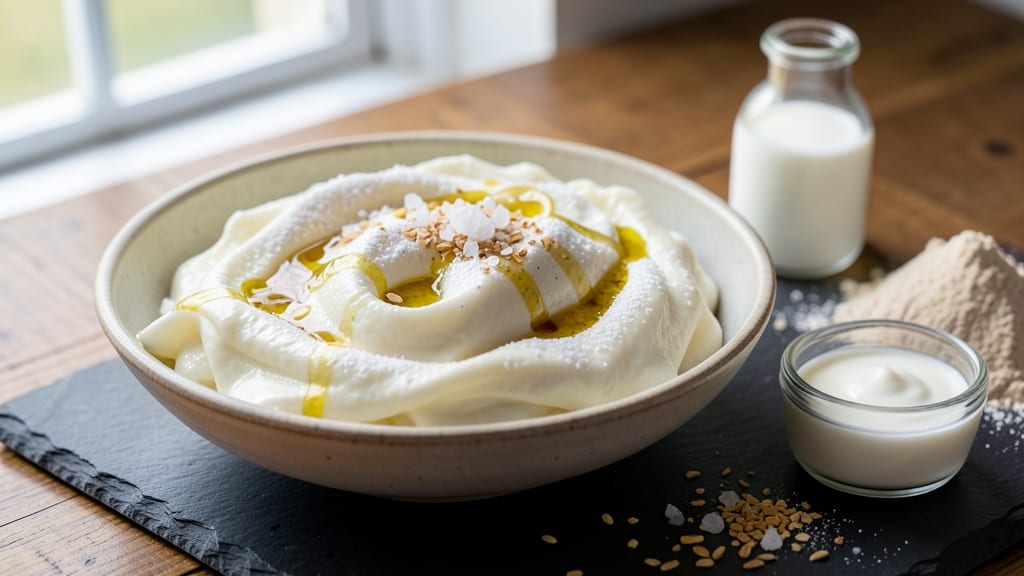
This almond milk mozzarella cheese recipe transforms plant-based ingredients into a dairy-free cheese that stretches, melts, and browns just like traditional mozzarella. 💫 The secret lies in combining almond milk with tapioca starch and nutritional yeast to create a texture that's surprisingly close to the real thing—perfect for vegan pizzas, lasagnas, or grilled cheese sandwiches.
What sets this recipe apart is the careful balance of ingredients and precise technique. We'll start with a simple mixture of almond milk, tapioca starch, and nutritional yeast, then move through culturing, heating, and stretching phases that develop that signature mozzarella texture.
The result is a cheese that pulls into long strands and melts smoothly when heated.
By the end, you'll have a versatile vegan cheese that behaves like dairy mozzarella—ideal for creating plant-based comfort foods without compromise. The process might sound complex, but we'll break it down into manageable steps that yield professional-quality results at home.
The best part? This cheese works in all your favorite dishes—pizza toppings that brown beautifully, lasagna layers that hold together, or melty grilled cheese sandwiches that satisfy even the most skeptical cheese lovers. Let's get started on this dairy-free game-changer.
Ingredients for almond milk mozzarella cheese
Twelve plant-based ingredients transform into stretchy, melty mozzarella that rivals dairy versions.
| Ingredient | Amount | Notes |
|---|---|---|
| Unsweetened Almond Milk 🥛 | 2 cups | Store-bought or homemade, unsweetened |
| Tapioca Starch 🌾 | ½ cup | Fine grade for best texture |
| Nutritional Yeast 🍞 | ½ cup | Fortified, for cheesy flavor |
| White Vinegar 🍶 | 2 tbsp | For acidity and culturing |
| Non-Aluminum Salt 🧂 | 1 ½ tsp | Kosher or sea salt preferred |
| Tapioca Flour 🌾 | ¼ cup | For elasticity and stretch |
| Lemon Juice 🍋 | 1 tbsp | Freshly squeezed for brightness |
| Agar Powder 🌿 | ¼ tsp | For structure and meltability |
| Extra-Virgin Olive Oil 🫒 | 1 tbsp | For coating and richness |
| Turmeric Powder 🧡 | ¼ tsp | For color, optional but recommended |
| Distilled Water 💧 | ½ cup | For hydration and texture |
| Coconut Oil 🥥 | 1 tbsp | For stretch and melt |
The almond milk is the foundation—unsweetened, store-bought brands like Silk or Blue Diamond work best for consistency, but homemade almond milk with added tapioca starch also delivers excellent results. Nutritional yeast from Bragg or Bob’s Red Mill provides that signature umami depth, while tapioca starch from Bob’s Red Mill ensures the perfect elastic texture. For agar powder, Iherb or Amazon offer reliable sources, though it’s also available in Asian grocery stores. Turmeric is optional but adds that authentic mozzarella hue—Whole Foods carries high-quality organic powder if you prefer it. Precision matters here: measuring by weight for tapioca starch and agar ensures optimal texture development.
No almond milk? Cashew milk or oat milk work as substitutes, though texture may vary slightly. Tapioca starch unavailable? A mix of cornstarch and arrowroot powder at a 2:1 ratio mimics its properties. Nutritional yeast too expensive? White miso paste at half the amount adds depth, though flavor will differ. Agar powder substitute? Kappa carrageenan at double the amount works in a pinch, though results may be less stretchy. Turmeric-free? Paprika or annatto powder can mimic color, though neither replicates turmeric’s earthy notes. Olive oil shortage? Avocado oil maintains the same neutral flavor profile, while coconut oil adds a subtle tropical note that pairs surprisingly well with the final product.
This cheese does not refrigerate well—use within 3 days for best texture and stretch. Freeze portions in parchment-lined containers for up to 3 months; thaw in the fridge overnight before using. For pizza applications, stretch the cheese directly onto the sauce to prevent sticking. For lasagna, layer thinly between tomato sauce to ensure even melting. Grilled cheese? Use 1 tbsp coconut oil between slices for perfect browning. Storage tip: Keep unused portions submerged in almond milk to maintain moisture and elasticity—this extends freshness by 2-3 additional days compared to air storage.
Why You'll Love This Recipe
- Pantry Magic: I’ll never buy store-bought mozzarella again—just almond milk, tapioca starch, and a few minutes of heating. That’s it. The tapioca starch gives it that signature stretch, and honestly? It’s cheaper than the pre-shredded stuff in the bag.
- Cheesy Without Guilt: The nutritional yeast adds this unexpected depth—like a whisper of Parmesan in every bite. Between us, it melts like the real deal, but I can eat it without the dairy guilt. (Yes, even on a Tuesday night.)
- Caprese in Minutes: Slice it fresh for a no-cook Caprese salad or toss it into pasta—it holds up perfectly. I’ve even grilled it for sandwiches, and it browns like a dream. Versatile enough to replace cheese in anything.
- Leftovers That Last: This batch keeps for a week in the fridge, and it’s still stretchy. Freeze half for later, and thaw it straight into marinara or a veggie tray. My wallet and my fridge thank me every time.
Step-by-step instructions for almond milk mozzarella cheese
Transform simple pantry ingredients into stretchy, meltable mozzarella with this precise method.
🍳 Step 1: Create the Acidic Base Mixture
In a medium saucepan, combine the 2 cups unsweetened almond milk, 0.5 cup tapioca starch, 0.5 cup nutritional yeast, and 1.5 tsp non-aluminum salt. Stir over medium heat until the mixture reaches 185°F—you'll see it thicken noticeably but not boil. This temperature is critical for proper texture development.
While heating, whisk in the 2 tbsp white vinegar and 1 tbsp lemon juice. The mixture should curdle slightly and turn opaque. Remove from heat immediately and let it sit for 5 minutes—this resting period allows the proteins to fully coagulate. You'll notice a firm, pudding-like consistency forming, which is your foundation for the cheese.
👨🍳 Step 2: Build the Stretchy Cheese Matrix
Transfer the warm mixture to a food processor fitted with the metal blade. Add the 0.25 cup tapioca flour, 0.25 tsp agar powder, 0.25 tsp turmeric powder, 1 tbsp extra-virgin olive oil, and 1 tbsp coconut oil. Process on high speed for 2-3 minutes until the mixture becomes smooth and elastic, resembling wet playdough.
Here's the thing—this step requires attention. You'll know it's ready when you can pull the dough between your fingers and it holds its shape without sticking. If it's too sticky, add 1 tsp tapioca flour at a time until you achieve the perfect consistency. The agar powder is key here—it mimics casein's melting properties in traditional cheese.
🔥 Step 3: Shape and Heat for Stretch
Divide the dough into 4 equal portions (about 4 oz each). Roll each portion into a ball between your palms, applying light pressure to develop surface tension. Place them on a parchment-lined plate and cover with a damp towel to prevent drying.
Heat a nonstick skillet over medium heat until hot but not smoking. Add one cheese ball and flatten slightly with a spatula. Cook for 2-3 minutes per side until golden brown spots appear. The magic happens when you stretch it—grab the edges with tongs and pull gently. It should resist breaking and form a smooth, elastic sheet. Repeat with remaining balls.
⏰ Step 4: Rest and Serve for Optimal Texture
Transfer the cooked mozzarella to a clean cutting board and let it rest for 10 minutes before serving. This resting period allows the proteins to relax and the structure to stabilize. For best results, use immediately in dishes like caprese salads, grilled cheese sandwiches, or marinara dipping.
Real talk: Fresh mozzarella performs best when used within 2 hours of cooking. The agar powder gives it meltability, but it won't stretch quite like traditional mozzarella after refrigeration. Store any leftovers wrapped in plastic between parchment paper in the fridge for up to 3 days, but reheat gently before using.
Pro Tips For Making Almond Milk Mozzarella Cheese
- Whisk Like You Mean It: The tapioca starch and almond milk will clump if you stir half-heartedly. Use a whisk and work in a figure-8 motion until the mixture is smooth as silk—no lumps, no excuses. I learned this the hard way after ending up with a gluey mess that wouldn’t stretch.
- Salt Before Heating: Add the non-aluminum salt before you pour in the vinegar—this lets it fully dissolve into the warm liquid. Skipping this step means you’ll end up with uneven saltiness, and no one wants a bland cheese curd.
- Watch the Vinegar Ratio: Too much white vinegar and your cheese turns rubbery; too little and it won’t set properly. Stick to the recipe’s measurement (usually 1-2 tablespoons per cup of milk) and resist the urge to "boost the tang." Trust the process—your future self will thank you.
- Strain for Smoothness: After heating, let the mixture sit for 5 minutes, then strain it through a fine-mesh sieve lined with cheesecloth. This removes any grit from the tapioca starch and nutritional yeast, giving you a creamy, stretchy texture that actually mimics real mozzarella. (Yes, it’s extra work, but it makes a real difference.)
Regional styles of this almond milk mozzarella cheese
Italian-Inspired Pizza Topping
This almond milk mozzarella shines as the star topping on vegan pizzas—especially when paired with San Marzano tomato sauce and fresh basil.
I stretch the cheese directly onto the sauce (no pre-shredding!) to prevent sticking, then bake at 475°F for 10-12 minutes until golden and bubbly. 🍕 For extra authenticity, add arugula after baking and drizzle with lemon-infused olive oil from Colavita.
The turmeric gives it that classic mozzarella color that looks stunning on pizza crusts.
California-Style Grilled Cheese
For a West Coast twist, layer this cheese between sourdough bread and avocado slices, then grill with avocado oil in a Lodge cast iron skillet over medium heat until crispy. I add everything bagel seasoning from Penzeys for a savory kick.
The coconut oil in the cheese creates that perfect melt while keeping it from becoming greasy—ideal for a quick lunch or snack. 🥪
Southern-Style Mac and Cheese
Blend this mozzarella into a creamy sauce with cashew cream and smoked paprika for a Southern-inspired vegan mac. I use jasmine rice pasta for extra bite and finish with crispy fried shallots from Trader Joe's.
The agar powder gives it that signature creamy texture without dairy, while the nutritional yeast adds depth. 🍝 Serve with hot sauce for a spicy kick.
Mediterranean Caprese Salad
Swap traditional mozzarella for this almond milk version in a caprese salad with heirloom tomatoes, Kalata olives, and balsamic glaze from Balsamic Vinegar Co.
The turmeric gives it that classic color contrast, while the coconut oil adds richness. 🍅 For extra flair, sprinkle with toasted pine nuts and fresh oregano. This salad is perfect for summer picnics or light lunches.
Tex-Mex Quesadilla Twist
Combine this cheese with black beans, roasted corn, and jalapeno slices in a whole wheat tortilla, then grill in a nonstick pan until crispy.
The tapioca starch holds up beautifully to the heat, creating a melty texture that rivals dairy cheese. 🌶️ Add vegan sour cream and salsa for a satisfying meal that’s both flavorful and plant-based.
Italian Lasagna Layers
Layer this cheese between lasagna noodles and marinara sauce with lentil "meat" for a hearty vegan lasagna. The agar powder ensures it melts smoothly during baking at 375°F for 45 minutes. 🍝 For extra richness, sprinkle with vegan parmesan before serving.
This version delivers the same comforting texture as traditional lasagna but with a plant-based twist.
Nutrition facts
Frequently asked questions
Why does my almond milk cheese turn out too rubbery instead of stretchy? The most common cause is over-processing in the food processor or underheating during the stretching phase.
Can I make this cheese without a food processor?
Yes, but texture will differ slightly. Use a stand mixer with the paddle attachment and mix on high for 5-7 minutes until smooth. For a completely manual approach, mix by hand with a silicone spatula until fully elastic—just be prepared for more arm work! The key is achieving that playdough-like consistency, whether by machine or muscle power.
How do I prevent my vegan mozzarella from sticking to the pan?
Always use a nonstick skillet and ensure it's properly heated before adding the cheese. Lightly coat the pan with avocado oil before cooking, and avoid pressing down on the cheese with a spatula—just let it develop its own crust. For extra insurance, use parchment paper under the cheese balls before cooking. The coconut oil in the recipe helps with release, but proper pan prep is crucial.
Can I add herbs or spices directly to the cheese mixture?
While you can add herbs like basil or oregano, avoid heavy spices until after stretching—they can alter the texture. For flavor, try mixing 1 tsp garlic powder or ½ tsp onion powder into the food processor with the other ingredients. For fresh herbs, sprinkle them on after cooking or mix them into the almond milk base before heating. The nutritional yeast already provides plenty of umami depth.
Will this cheese work for frozen pizza?
Not as a topping—this cheese is best used fresh. However, you can make mini cheese balls ahead and freeze them between parchment paper for 3 months. Thaw in the fridge overnight, then melt directly onto your pizza before baking. The agar powder helps maintain structure during freezing, but texture will be slightly different from fresh mozzarella. For best results, use within 2 hours of cooking.