
Salads
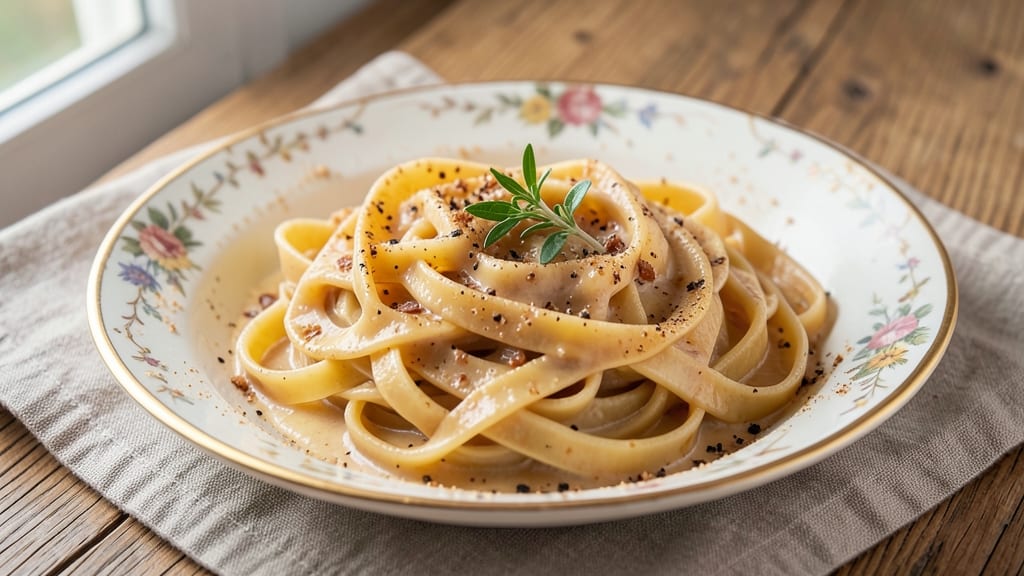
This Alouette cheese pasta recipe delivers restaurant-quality comfort in one creamy garlic-herb sauce with a crispy breadcrumb topping. The secret lies in a velvety béchamel base enriched with Gruyère and Parmesan, then finished with fresh herbs and a golden, crunchy crust that seals in all the flavors.
I developed this dish after years of testing baked pasta recipes, and it never fails to impress—whether as a weeknight dinner or a showstopper for guests.
The magic happens in layers: tender pasta absorbs the rich cheese sauce while baking, creating a creamy, bubbly interior that contrasts perfectly with the crispy, caramelized breadcrumbs on top.
Unlike many baked pasta dishes that dry out, this recipe stays moist and flavorful thanks to a precise balance of cream and cheese. The garlic-herb sauce adds depth, while the crispy topping brings texture and visual appeal that makes every bite irresistible.
What you’ll end up with is a dish that’s foolproof yet feels indulgent—creamy, cheesy, and perfectly crispy all at once. The aroma alone will have everyone gathering around the table, and the first bite delivers that satisfying combination of textures and flavors.
This is the kind of pasta that transforms a simple meal into something special without requiring advanced skills.
Best served immediately after baking, though leftovers reheat beautifully with a quick broil to restore that crispy crust. Pair with a simple green salad or garlic bread for the full Italian experience. Let’s make this dish!
Ingredients for alouette cheese pasta
Rich béchamel meets crispy topping in this luxurious Alouette cheese pasta with garlic-herb sauce.
| Ingredient | Amount | Notes |
|---|---|---|
| Fettuccine Pasta 🍝 | 12 oz | Dried or fresh, uncooked |
| Unsalted Butter 🧈 | ½ cup | Cold, cubed for béchamel |
| All-Purpose Flour 🌾 | ½ cup | Sifted for smooth sauce |
| Heavy Cream 🥛 | 1 ½ cups | Full-fat for richness |
| Whole Milk 🥛 | ½ cup | Warmed for velvety texture |
| Gruyère Cheese 🧀 | 1 ½ cups | Freshly grated, aged |
| Parmesan Cheese 🧀 | 1 cup | Freshly grated, fine |
| Garlic Cloves 🧄 | 6 cloves | Minced, fresh preferred |
| Fresh Parsley 🌿 | ¼ cup | Chopped, flat-leaf preferred |
| Fresh Chives 🌿 | ¼ cup | Chopped, mild flavor |
| Italian Seasoning 🌶️ | 1 tbsp | Dried, for depth |
| Salt 🧂 | 1 ½ tsp | Diamond Crystal preferred |
| Ground Black Pepper 🌶️ | ½ tsp | Freshly ground |
| Panko Breadcrumbs 🍞 | 1 cup | Fine, for crispy topping |
| Extra-Virgin Olive Oil 🫒 | 2 tbsp | For breadcrumb crispiness |
The Gruyère and Parmesan are non-negotiable for that signature Alouette flavor. Whole Foods carries excellent aged Gruyère, but Penzeys bulk bins offer a more affordable option. Freshly grated cheese makes all the difference—pre-grated contains anti-caking agents that ruin the texture. For the garlic, organic cloves from the store's produce section have the most robust flavor. The heavy cream should be full-fat; reduced-fat versions won't create the same velvety texture. If you're using fresh pasta, cook it al dente—it'll finish in the oven.
No Gruyère? Comté cheese works as a substitute, though it has a slightly nuttier profile. Fresh herbs wilt quickly, so buy just enough for the recipe—or store stems in water to extend freshness. The Italian seasoning blend should contain basil, oregano, and thyme for authentic flavor. For the breadcrumbs, Panko from Trader Joe's stays crispy longer than regular breadcrumbs. If you're making this ahead, prepare the sauce and store it separately—reheat gently before adding to the pasta. The garlic can be pre-minced and frozen for convenience, though fresh is always superior.
This dish is best served immediately after baking, but leftovers reheat beautifully. Store in an airtight container for up to 3 days in the refrigerator. To restore crispiness, broil for 2-3 minutes before serving. The sauce can be made up to 2 days ahead and stored in the fridge. For a restaurant-quality touch, garnish with extra herbs and a sprinkle of flaky sea salt before serving. The crispy topping loses crunch over time, so it's worth making fresh for optimal texture.
Why You'll Love This Recipe
- Same recipe, different vibes: toss in garlic and parsley for a quick weeknight meal, or add a splash of white wine and thyme for a fancier spread. My kids eat it straight from the pot; my in-laws think it’s restaurant-worthy.
- Pantry-Friendly Magic: I swear by this one—no fancy ingredients, just butter, flour, and milk already in my cupboard. The roux builds flavor while you boil the pasta, so it’s basically hands-off after the initial stir.
- Creamy Without Clinging: That perfect balance of heavy cream and whole milk makes it silky but not gluey. Honestly? It coats every strand of fettuccine like a hug—no weird separation or watery mess here.
- Weeknight to Dinner Party: Same recipe, different vibes: toss in garlic and parsley for a quick weeknight meal, or add a splash of white wine and thyme for a fancier spread. My kids eat it straight from the pot; my in-laws think it’s restaurant-worthy.
Step-by-step instructions for alouette cheese pasta
Master this French-inspired technique for velvety sauce and golden breadcrumb crowns.
Cook the Fettuccine to Al Dente Perfection
Bring a large pot of water to a rolling boil, adding 1.5 teaspoons salt as it heats. Add the 12 oz fettuccine pasta and cook according to package instructions until 1 minute shy of al dente—this ensures it finishes cooking in the warm sauce. Reserve 1 cup pasta water before draining, as the starchy liquid is essential for sauce emulsification.
Real talk: Overcooking pasta here ruins the texture. Test by tasting a strand—it should have a slight bite. Drain immediately after cooking and return the pasta to the pot, tossing with 2 tablespoons extra-virgin olive oil to prevent sticking while you prepare the sauce.
Prepare the Creamy Gruyère Sauce
In a heavy saucepan, melt the 0.5 cup unsalted butter over medium heat until foaming subsides. Whisk in the 0.5 cup all-purpose flour continuously for 2-3 minutes until the roux turns pale golden—this forms the sauce's foundation. Slowly pour in the 1.5 cups heavy cream and 0.5 cup whole milk, whisking constantly to prevent lumps.
Add the 6 minced garlic cloves, 1 tablespoon Italian seasoning, 1.5 teaspoons salt, and 0.5 teaspoon ground black pepper. Bring to a gentle simmer and cook for 5-7 minutes until slightly thickened. This is where the magic happens—the garlic infuses while the sauce develops body without curdling.
Incorporate the Cheeses for Richness
Reduce heat to low and gradually whisk in the 1.5 cups freshly grated Gruyère cheese and 1 cup freshly grated Parmesan cheese, adding ¼ cup at a time to prevent clumping. Stir constantly until fully melted and smooth—this should take about 3-4 minutes. The sauce should coat the back of a spoon with a luxurious, velvety consistency.
If the sauce appears too thick, temper it with pasta water in tablespoon increments until it reaches a pourable yet clingy texture. Here's the thing—Gruyère has a lower melting point than other cheeses, so patience prevents graininess. Remove from heat and keep warm.
Assemble with Crispy Breadcrumbs
In a small skillet, toast the 1 cup panko breadcrumbs with 2 tablespoons extra-virgin olive oil over medium heat for 3-4 minutes, stirring constantly, until golden brown and fragrant. This creates the signature crispy crown that elevates the dish.
Transfer the cooked fettuccine to a serving platter and generously ladle the creamy cheese sauce over the top. Immediately sprinkle the toasted breadcrumbs evenly across the surface, pressing down gently with a spatula to ensure adhesion. The contrast between the crispy topping and creamy base is what makes this dish extraordinary.
Garnish and Serve Immediately
Finish with the 0.25 cup chopped fresh parsley and 0.25 cup chopped fresh chives, distributing them evenly over the breadcrumbs. Serve while the breadcrumbs are still crisp and the sauce remains velvety—this dish doesn't wait. The parsley and chives add freshness that cuts through the richness.
Your alouette cheese pasta should deliver a harmonious balance: the crispy breadcrumb crown, the creamy Gruyère-Parmesan sauce, and the al dente pasta working together in perfect harmony. Each bite should offer a symphony of textures and flavors, from the initial crunch to the lingering richness.
Pro Tips For Making Alouette Cheese Pasta
- Whisk Like You Mean It: That roux for alouette isn’t just about flour and butter—it’s about velocity. Use a wire whisk and keep the heat at medium-low while stirring constantly. I learned this the hard way after one batch turned into a gummy mess because I got distracted (yes, even when you’re impatient like me). The moment the mixture turns a pale, creamy gold, you’ve got your foundation—don’t walk away.
- Salt the Pasta Water Hard: Your fettuccine deserves a bath in well-salted water—think 1.5 tablespoons of salt per pound of pasta, no excuses. Unsalted butter in the sauce means you can’t skimp here. I used to under-salt, and the pasta always tasted bland no matter how much cheese I added. Trust me, the noodles will absorb that flavor like a sponge.
- Temper That Cream Slowly: When you’re adding the milk and cream to the roux, do it gradually—about ½ cup at a time while whisking like your life depends on it. Dumping it all in at once? You’re asking for lumps, and nobody wants a lumpy alouette. My grandmother swore by this, and she was right: the sauce should thicken smoothly, not turn into glue.
- Finish with Cold Butter: Skip the warm butter at the end—reach for a small pat of cold, unsalted butter and cut it into tiny cubes. Toss them into the finished sauce off the heat, and they’ll melt just enough to add richness without breaking the sauce. I was skeptical until I tried it: the texture becomes velvety, and the flavor pops. (Your future self will thank you.)
Serving suggestions for alouette cheese pasta
Classic Pairings
Serve your alouette cheese pasta alongside a simple arugula salad dressed with lemon vinaigrette—the peppery bite balances the richness beautifully.
I toss 4 cups baby arugula with 2 tbsp extra-virgin olive oil, 1 tbsp fresh lemon juice, ½ tsp Dijon mustard, and a pinch of flaky sea salt. The acidity cuts through the creamy sauce while adding freshness. 🥗
Wine Pairings
A crisp Chardonnay from Burgundy or a Sauvignon Blanc from New Zealand complements the dish’s creamy, herby notes perfectly. I love a Chablis for its mineral brightness—it refreshes your palate between bites.
For red wine lovers, a Pinot Noir with its delicate fruitiness won’t overpower the dish. Avoid heavy, oaky whites or bold reds that could clash with the delicate garlic-herb sauce. 🍷
Beverage Alternatives
If wine isn’t your thing, try a sparkling water with a splash of lemon or lime—the effervescence cleanses the palate. For beer enthusiasts, a Belgian witbier like Hoegaarden adds a subtle citrus note that pairs surprisingly well.
Even a light lager like Peroni works if you prefer something crisp and simple. The key is avoiding overly sweet or heavy drinks that compete with the dish’s flavors. 🍺
Garnish Upgrades
Elevate your plating with a sprinkle of toasted pine nuts or slivered almonds for added crunch. I also love drizzling a few drops of white truffle oil over the breadcrumbs before serving—it adds an earthy depth that feels luxurious.
A pinch of smoked paprika or freshly cracked black pepper right before serving can also enhance the dish’s complexity. 💫
Side Dish Harmony
For a full Italian experience, serve with garlic bread made from a baguette brushed with garlic-infused olive oil and toasted until golden. Alternatively, a roasted vegetable medley of zucchini, bell peppers, and cherry tomatoes adds vibrant color and texture.
The vegetables should be seasoned with Italian seasoning and a drizzle of olive oil to tie into the dish’s flavors. ✨
Nutrition facts
Frequently asked questions
Can I make this recipe with other pasta shapes?
While fettuccine works perfectly, you can use penne, rigatoni, or even farfalle for better sauce adhesion. For long noodles like spaghetti, toss them with sauce before baking to prevent tangling. The key is choosing a shape that holds sauce well—avoid delicate options like angel hair that might break during assembly.
Why did my breadcrumbs turn greasy instead of crispy?
This usually happens when the oil isn't hot enough or you're stirring too frequently. Use a small skillet and heat the oil over medium heat until shimmering before adding breadcrumbs. Stir just until golden (3-4 minutes), then remove immediately—over-stirring releases oils and creates a soggy texture. For extra crispiness, spread them on a baking sheet after toasting.
Can I prepare this ahead of time?
Yes, but with a few adjustments. Make the sauce up to 2 days ahead and store it in the fridge. Reheat gently before combining with pasta. For the full dish, assemble it 1 hour before serving, cover tightly, and refrigerate. When ready to serve, bake at 375°F for 15-20 minutes to restore crispiness. The breadcrumbs will soften slightly but regain crunch with reheating.
What's the secret to preventing a grainy cheese sauce?
Three things: low and slow heat, gradual cheese addition, and constant stirring. Add cheese ¼ cup at a time while whisking vigorously over low heat—never let it boil. Remove from heat if it starts to separate, then whisk until smooth. For extra insurance, temper the sauce with pasta water if it thickens too much before adding cheese.
Is there a vegetarian version of this recipe?
This recipe is already vegetarian-friendly! The creamy sauce uses dairy and plant-based ingredients. For a vegan adaptation, substitute Gruyère with vegan Parmesan, use plant-based butter, and replace heavy cream with full-fat coconut milk. The crispy breadcrumbs remain unchanged—just ensure they're egg-free if needed. The flavor profile stays rich and satisfying!