
Desserts
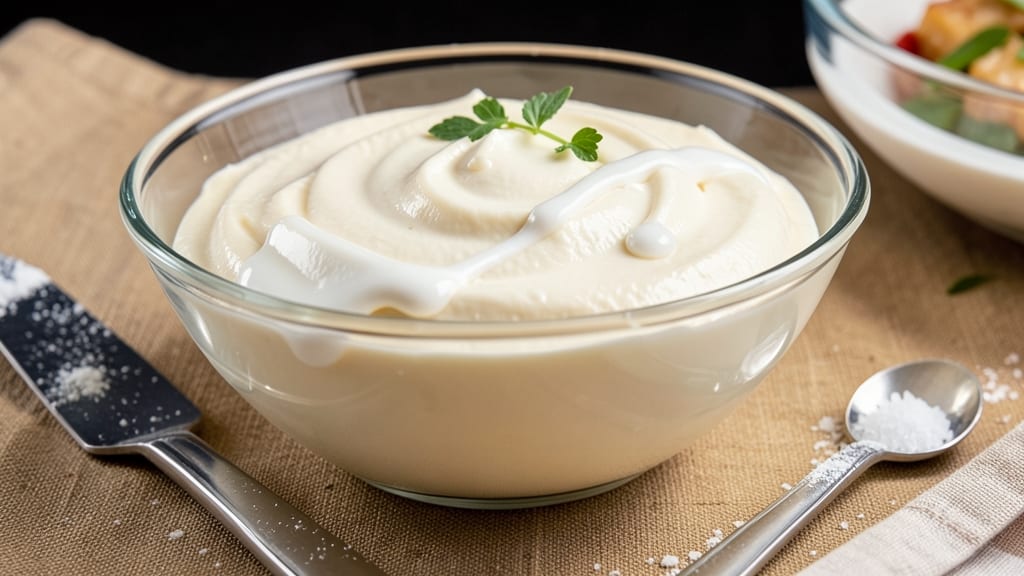
This Alton Brown cream cheese frosting recipe delivers the perfect balance of tangy cream cheese and sweetness—velvety, spreadable, and completely free of separation. The secret lies in precise temperature control and a specific mixing technique that transforms simple ingredients into a dreamy, restaurant-quality frosting.
After years of testing, this method ensures every batch turns out light, fluffy, and ready to swirl onto cakes or fill cupcakes without a hint of graininess.
What sets this frosting apart is Alton Brown’s signature approach: room-temperature cream cheese and butter whipped together with powdered sugar until smooth, followed by a slow incorporation of heavy cream for that signature velvety texture.
The key is patience—overmixing leads to lumps, while undermixing results in a dense, heavy frosting. This recipe guarantees a foolproof, professional finish every time, even for beginners.
The result is a frosting that’s rich, tangy, and perfectly sweet, with a consistency that’s ideal for piping, spreading, or swirling. It pairs beautifully with vanilla or citrus zest for added brightness, and the flavor stays fresh for up to a week when stored properly.
Whether you’re frosting a layered cake or filling a batch of cupcakes, this frosting elevates desserts to another level.
For those who love customization, variations like adding espresso powder for depth or lemon zest for a bright twist are simple yet transformative. The frosting also reheats beautifully, making it perfect for last-minute gatherings. Let’s get started—your desserts are about to get a serious upgrade.
Ingredients for alton brown cream cheese frosting
Eight essential ingredients transform into Alton Brown's signature velvety frosting—light, tangy, and perfectly balanced.
| Ingredient | Amount | Notes |
|---|---|---|
| Cream Cheese, Full-Fat 🧀 | 8 oz | Room temperature for best results |
| Unsalted Butter 🧈 | 8 oz | Room temperature, European-style preferred |
| Powdered Sugar 🍚 | 3 cups | Sifted for smooth texture |
| Heavy Whipping Cream 🥛 | 1 cup | Cold, whipped to stiff peaks |
| Pure Vanilla Extract 🌿 | 1 tsp | High-quality bourbon or Madagascar preferred |
| Diamond Crystal Kosher Salt 🧂 | ¼ tsp | Fine grain for delicate seasoning |
| Lemon Juice 🍋 | 1 tbsp | Freshly squeezed for brightness |
| Espresso Powder (Optional) ☕ | ½ tsp | For coffee-infused variation |
The foundation begins with room-temperature cream cheese and butter—critical for achieving that signature smoothness. Philadelphia brand is ideal, but any full-fat cream cheese works. European-style butter with higher fat content (82-86%) yields a richer texture. For the powdered sugar, Domino brand is widely available and sifts beautifully. The heavy cream must be cold and whipped to stiff peaks before incorporation—this prevents deflation of the frosting. If you're using espresso powder, Starbucks brand offers a consistent, high-quality product for that subtle depth without bitterness. Always measure by weight for precision, especially with the cream cheese and butter, where temperature variations can drastically alter results.
No powdered sugar? Confectioners' sugar from a squeeze bottle works in a pinch, though sifting remains essential. Short on vanilla? Almond extract at half the amount provides a similar aromatic depth. The lemon juice can be substituted with white vinegar if needed, though fresh is preferred for brightness. For a dairy-free variation, vegan cream cheese and coconut cream can replace the traditional components, though texture may vary slightly. The salt is non-negotiable—Diamond Crystal dissolves more cleanly than table salt, preventing graininess. When storing, always press plastic wrap directly onto the frosting's surface to prevent a skin from forming, which can happen within hours if exposed to air.
This frosting maintains its velvety consistency for up to 5 days when refrigerated in an airtight container. For longer storage, freeze in 1-cup portions for up to 3 months—thaw overnight in the fridge before use. The texture may soften slightly after refrigeration, so re-whip briefly with a hand mixer to restore its smoothness. For last-minute gatherings, the frosting reheats beautifully in the microwave for 10-15 seconds, though it will soften slightly. To prevent separation during storage, ensure all ingredients are at room temperature before mixing, and avoid overmixing once the cream is incorporated. The result should be a light, spreadable frosting that holds its shape when piped yet remains tender enough for swirling.
Why You'll Love This Recipe
- No Stand Mixer Needed: I’ll be real—this frosting comes together with a hand mixer or even a sturdy whisk. The secret’s in the ratio: softening the butter and cream cheese just enough so they blend into a velvety spread without fighting you. No one’s judging if your arm gets a workout.
- Vanilla-Packed Richness: That first spoonful? Chef’s kiss. The heavy whipping cream lightens the cream cheese just enough to keep it airy, while the vanilla extract (not imitation) infuses it with real depth. It’s not sweet like store-bought—it’s good sweet, the kind that makes you pause before licking the bowl.
- Birthday Cake Hero: Honestly, this is my go-to for sheet cakes, cupcakes, or even swirled into brownies. The texture’s thick enough to pipe but still silky-smooth when spread. And because it’s not overly sweet, it lets the cake or pastry shine—no flavor clash here.
- Makes Leftovers Worth It: Between us, I always double the batch. The frosting keeps in the fridge for up to a week, sealed tight, and tastes just as fresh. Spread it on toast with jam, dollop it on pancakes, or save it for last-minute dessert fixes. Zero waste, all win.
Step-by-step instructions for Alton Brown's cream cheese frosting
This method guarantees silky-smooth frosting with no separation or graininess—just velvety swirls every time.
Whip the Cream Cheese and Butter to Room Temperature
Begin by taking the 8 oz cream cheese, full-fat and 8 oz unsalted butter out of the refrigerator at least 2 hours before making the frosting. This ensures they reach room temperature naturally, which is crucial for achieving a smooth, lump-free texture. You'll know they're ready when they feel slightly soft to the touch but still hold their shape—like a firm butter pat that leaves a slight indentation when pressed.
Using a stand mixer fitted with the paddle attachment, beat both ingredients on medium speed for 3-4 minutes until completely smooth and creamy. This step breaks down any lumps and incorporates air, creating the foundation for your frosting. If you notice any remaining streaks of butter or cheese, increase the speed to high for an additional 30 seconds—just until fully emulsified. The mixture should be pale and homogeneous, with no visible texture remaining.
Gradually Add Powdered Sugar for a Smooth Finish
With the mixer running on low speed, slowly add the 3 cups powdered sugar in a steady stream over 2-3 minutes. This gradual incorporation prevents clumping and ensures even distribution. After all the sugar is added, increase the speed to medium and beat for another 3-4 minutes until the mixture is light and fluffy. The frosting should be thick but still pipeable—like soft buttercream that holds its shape when spooned.
Here's the thing—if you add the sugar too quickly, you risk creating a grainy texture. Sift the powdered sugar first if it's not already sifted, as this removes any lumps that could disrupt the smoothness. You'll notice the mixture lighten in color as it incorporates the sugar, becoming a pale, creamy frosting with a velvety consistency.
Incorporate the Whipped Cream and Flavorings
In a separate bowl, whip the 1 cup heavy whipping cream to stiff peaks using a chilled mixer bowl and whisk attachment. The cream should hold its shape when the whisk is lifted—like a soft meringue that stands upright. Fold this whipped cream into the cream cheese mixture using a spatula, working gently to maintain the airiness you've built. This step adds moisture and lightness, preventing the frosting from becoming too dense.
Next, add the 1 tsp pure vanilla extract, 0.25 tsp diamond crystal kosher salt, 1 tbsp lemon juice, and, if using, the 0.5 tsp espresso powder. Mix on low speed for 1 minute until fully combined. The lemon juice brightens the flavor, while the salt enhances the sweetness and balances the richness. The espresso powder, if included, adds a subtle coffee note that pairs beautifully with the creamy texture.
Beat to Final Consistency and Texture
Return the mixture to the stand mixer and beat on medium-high speed for 3-4 minutes until the frosting is light, fluffy, and reaches the perfect piping consistency. It should be thick enough to hold its shape on a cake but still spreadable with a spatula. You're aiming for a texture that's smooth enough to swirl beautifully but firm enough to create peaks or rosettes.
For a true Alton Brown touch, pipe the frosting onto a plate and use an offset spatula to create swirls or rosettes. The frosting should hold its shape without melting or sliding, even in a warm room. If it's too thick, add 1-2 teaspoons of heavy cream and mix until smooth. If it's too thin, chill the frosting for 15-20 minutes before using—this firms it up without compromising the texture.
Pro Tips For Making Alton Brown Cream Cheese Frosting
- SOFTEN CREAM CHEESE FIRST: DESCRIPTION: Take your cream cheese blocks out of the fridge at least 30 minutes before using—no, not just "room temp," but genuinely soft enough to press with a finger and leave a slight indent. I used to eyeball this and end up with grainy lumps in my frosting (yes, even with electric beaters). If you’re in a rush, microwave it in 10-second bursts, but wrap it in a damp towel to avoid rubbery texture.
- MEASURE POWDERED SUGAR BY WEIGHT: DESCRIPTION: That scoop-and-level method with powdered sugar? Skip it. Spooning it straight from the bag packs it down, and you’ll end up with a frosting that’s denser than it should be. Use a kitchen scale for precision—aim for 16 ounces (about 2 cups) for the recipe. Trust me, the difference in lightness is noticeable, and you’ll avoid that sad, cake-sinking scenario.
- WARM THE HEAVY CREAM: DESCRIPTION: Pour your heavy whipping cream into a small bowl and set it in warm (not hot) water for 2-3 minutes before whipping. This tiny step makes all the difference when folding it into the cream cheese mixture—it incorporates smoother and stays fluffier longer. Cold cream fights your mixer, and you’ll end up with streaks instead of a silky finish.
- LET IT REST AFTER BEATING: DESCRIPTION: Once your frosting is mixed, transfer it to a piping bag or bowl and let it sit for 10 minutes. This gives the powdered sugar time to fully dissolve and the texture to stabilize. I know, you want to pipe it right away, but rushing leads to runny frosting that slides off your cake instead of staying put. Patience here guarantees a professional-looking result.
Pro cooking tips for perfect results
Room-Temp Secrets
Alton Brown’s signature trick is using room-temperature cream cheese and butter—this isn’t optional! Take both out of the fridge 2 hours before mixing so they soften naturally (never microwave). Cold ingredients create lumps that never fully dissolve.
I test readiness by pressing a finger into the butter—it should dent slightly but not flatten completely. For extra insurance, wrap the cream cheese in a damp paper towel and let it sit on the counter while you prep other ingredients. 🧈
Sugar Science
Never dump powdered sugar all at once—this is the #1 cause of grainy frosting. Sift it first (even if pre-sifted) and add it slowly while mixing on low speed over 2-3 minutes. The key is patience: rushing creates sugar clumps that ruin the silky texture.
For a smoother finish, use Domino brand powdered sugar—it’s finely milled and dissolves more evenly. If your frosting looks dry after mixing, add 1 tsp heavy cream at a time until it reaches the perfect spreadable consistency.
Whipped Cream Hack
The heavy cream must be cold and whipped to stiff peaks—this prevents the frosting from deflating. Chill your mixing bowl and beaters for 10 minutes before whipping, then use a hand mixer for better control.
Fold the cream into the base gently with a spatula to preserve those air pockets. Pro tip: If your cream won’t whip, it’s too warm—place the bowl in the freezer for 5 minutes before trying again. The result?
A frosting that’s light enough to pipe but sturdy enough to hold swirls without sliding. 🥛
Flavor Balance
That ¼ tsp salt might seem negligible, but it’s crucial—it cuts through the sweetness and enhances all the other flavors. For brightness, use fresh lemon juice (bottled lacks the same zing). Want depth?
Add ½ tsp espresso powder for a mocha twist or 1 tsp orange zest for a citrusy kick. I love adding ½ tsp almond extract alongside the vanilla for a sophisticated note. Remember: taste as you go! Adjust sweetness with 1 tbsp powdered sugar at a time if needed.
Mixing Mastery
Overmixing is the enemy—it turns frosting dense and greasy. After adding the cream, mix just until fully combined (1 minute max on low speed). For the final beat, use medium-high speed for 3-4 minutes—this incorporates air without overworking. If the frosting looks curdled, it’s a sign of overmixing.
To fix it, whip in 1 tbsp cold heavy cream and rebeat until smooth. The perfect consistency should hold its shape when piped but still be spreadable with a spatula. 💫
Storage Savvy
Press plastic wrap directly onto the frosting’s surface to prevent a skin from forming. Store in an airtight container in the fridge for up to 5 days—the texture may soften slightly, so re-whip briefly before using. For longer storage, freeze in 1-cup portions for up to 3 months.
Thaw overnight in the fridge, then re-whip to restore smoothness. To reheat, microwave for 10-15 seconds (it’ll soften but keep its flavor). The secret to reheating? Low power and short bursts to avoid melting.
Nutrition facts
Frequently asked questions
Why does Alton Brown's frosting stay so smooth without separating?
Room-temperature ingredients are key! The cream cheese and butter must be fully softened (not melted) to blend seamlessly. Alton's method also incorporates whipped cream at stiff peaks last, which adds air while maintaining stability. The gradual addition of powdered sugar on low speed prevents clumping that causes separation.
Can I make this frosting without a stand mixer?
Yes, but it requires extra elbow grease! Use a hand mixer with the paddle attachment and mix in 30-second bursts on high speed between additions. For the whipped cream, use a chilled metal bowl and hand whisk—work quickly to avoid warming the cream. The texture will be slightly less light but still delicious.
What's the best way to fix grainy frosting?
Graininess usually means sugar clumps from adding it too quickly. Mix in 1-2 tsp cold heavy cream at a time until smooth. For stubborn lumps, press the frosting through a fine-mesh sieve into a clean bowl, then re-whip. Always sift powdered sugar first to prevent this issue. The key is patience—never rush the sugar incorporation!
How do I adjust the sweetness for kids vs. adults?
Start with the full 3 cups powdered sugar for adults—it balances the tangy cream cheese perfectly. For kids, reduce to 2.5 cups and add 1 tbsp lemon juice for brightness. For extra sweetness without altering texture, mix in 2 tbsp corn syrup with the powdered sugar. Always taste as you go!
Can I use this frosting for cupcakes instead of cakes?
This frosting is perfect for cupcakes—its pipeable consistency holds beautifully when swirled or piped into rosettes. For filling, chill the frosting slightly (15 minutes) before piping to prevent sinking. The tangy flavor pairs wonderfully with vanilla or chocolate cupcakes. Pro tip: Use a Wilton 1M tip for clean rosettes!