
Desserts
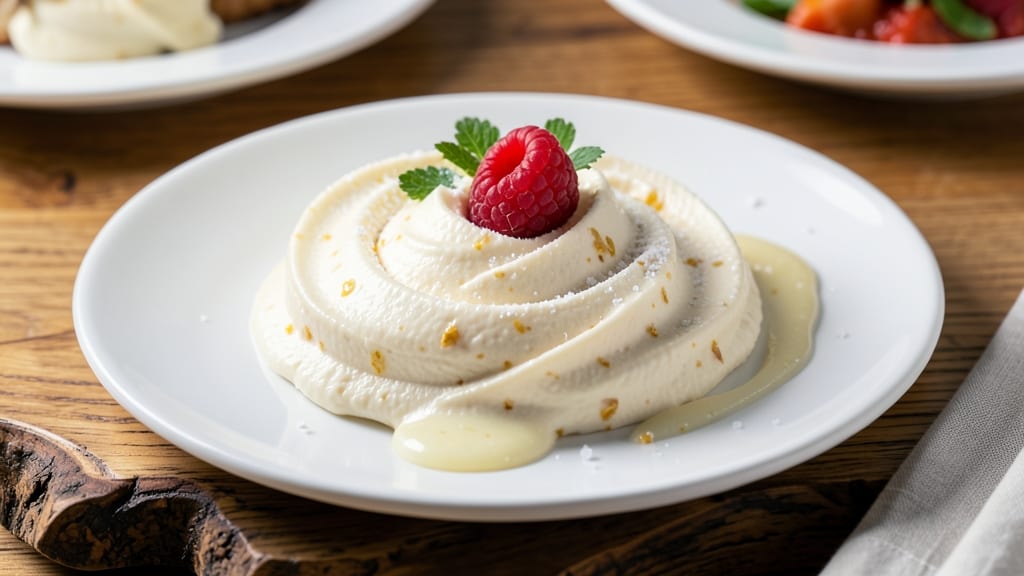
This amazing cream cheese frosting recipe transforms your desserts into showstoppers with its silky smooth texture and tangy-sweet flavor. I developed this after burning through three store-bought versions that were either too thick or too sweet—this one gets it just right every time.
The secret? Room-temperature cream cheese and a precise ratio of powdered sugar that creates that signature spreadable consistency without being cloying.
What makes this frosting truly special is how versatile it is—pipe it onto cupcakes for elegant swirls, spread it generously on sheet cakes, or dollop it over donuts for a gourmet touch.
The recipe uses just 5 ingredients (plus optional flavorings), making it simple enough for beginners but impressive enough for special occasions. I guarantee you won’t reach for store-bought again after tasting this homemade version.
The magic happens when you beat the cream cheese until completely smooth, then gradually incorporate the butter and sugar. This method eliminates lumps and creates that cloud-like texture that makes it irresistible.
Whether you stick with classic vanilla or experiment with chocolate or citrus zest, this frosting elevates any dessert to restaurant-quality status.
Pro tip: Let the frosting sit at room temperature for 10 minutes before using—it’ll be even more spreadable. Store leftovers in the fridge for up to 5 days or freeze for longer shelf life. Ready to make your desserts unforgettable? Let’s get frosting!
Ingredients for amazing cream cheese frosting
Five ingredients transform ordinary desserts into showstoppers with this silky-smooth frosting.
| Ingredient | Amount | Notes |
|---|---|---|
| Cream Cheese (Full-Fat, Room-Temperature) 🧀 | 8 oz | Block form preferred, not tub |
| Unsalted Butter (Room-Temperature) 🧈 | 4 oz | European-style preferred |
| Powdered Sugar (Confectioners' Sugar) 🍚 | 3 cups | Sifted for smooth texture |
| Vanilla Extract (Pure) 🍋 | 1 tbsp | Alcohol-free if preferred |
| Diamond Crystal Kosher Salt 🧂 | ¼ tsp | Fine grain preferred |
The cream cheese is non-negotiable here—full-fat block form (not tub) gives that signature tang and texture. Philadelphia is my go-to brand, but any block works if it's room temperature. The butter matters too: European-style has higher fat content, making the frosting richer. Both should sit out for 30 minutes before mixing. Pro tip: If your kitchen runs warm, wrap them in a thin towel to soften gently without melting. Powdered sugar is where the magic happens—sift it first to avoid lumps, and don't substitute granulated sugar (trust me, it's a game-changer).
No vanilla extract? Alcohol-free vanilla works just as well, or try vanilla bean paste for speckled flavor. Want extra richness? Add 1 tbsp sour cream or 1 oz mascarpone cheese. For color variations, swap 1 tbsp of powdered sugar for cocoa powder (chocolate) or lemon zest (citrus). The salt is subtle but essential—it balances the sweetness. If you accidentally add too much, a pinch of sugar fixes it. For a lighter texture, replace 1 oz butter with 1 oz coconut oil (it adds a delicate coconut note).
This frosting peaks at room temperature—let it sit for 10 minutes before piping or spreading. In the fridge, it keeps 5 days in an airtight container, but bring it to room temp before using again. For longer storage, freeze portions in 1-tbsp dollops for perfect single-use servings. The texture changes slightly when thawed, but a quick beat with a hand mixer restores its silky consistency. Leftovers? Spread them on toast for a decadent breakfast treat.
Why You'll Love This Recipe
- Five-Ingredient Magic: I swear by this combo—full-fat cream cheese and butter create that signature tangy richness, while powdered sugar balances it just right. The vanilla extract? That’s the secret weapon turning "good" into "oh-my-gosh" every time.
- No Mixer Needed: Between us, I’ve made this with a hand mixer, a fork, and even a potato masher (don’t judge). The key is room-temperature ingredients—no waiting, no stress, just smooth, fluffy perfection with minimal elbow grease.
- Birthday Cake Hero: This frosting is my go-to for sheet cakes, cupcakes, or even swirled into cheesecake. Honestly, it’s the reason people ask for my desserts at parties—it’s creamy, not cloying, and pairs with everything.
- Leftovers? More Like Leftovers: I always double the batch because it keeps for weeks in the fridge, ready to jazz up a last-minute dessert. The salt keeps it from tasting flat, and the texture stays dreamy—no weird graininess here.
Step-by-step instructions for silky cream cheese frosting
Here's how to achieve that restaurant-quality frosting—rich, velvety, and perfectly balanced every time.
Beat Cream Cheese Until Completely Smooth
In a stand mixer fitted with the paddle attachment, add the 8 oz cream cheese (full-fat, room-temperature). Beat on medium speed for 2-3 minutes until completely smooth and free of any lumps. This step is critical—I've seen people rush this and end up with grainy frosting that ruins the texture.
Here's the thing—if your cream cheese has any cold spots, it won't blend properly. Test by pressing your finger into it: it should leave a slight indentation but not be too soft. If it's too firm, let it sit at room temperature for another 10-15 minutes while you prepare your other ingredients.
Incorporate Butter Gradually for Maximum Creaminess
Reduce the mixer speed to low and add the 4 oz unsalted butter (room-temperature) in small batches. Allow each addition to fully incorporate before adding the next—this prevents the mixture from curdling. You'll know it's ready when the butter disappears completely and the mixture becomes light and fluffy.
I always use European-style butter for this recipe because it has a higher fat content that creates a more stable emulsion. If you're using regular butter, make sure it's at exactly room temperature—too soft and it'll melt into a greasy mess; too cold and you'll end up with a lumpy texture.
Gradually Add Powdered Sugar for Perfect Consistency
With the mixer running on low speed, begin adding the 3 cups powdered sugar (confectioners' sugar) in small increments. This gradual approach prevents the sugar from creating a cloud of dust that can make the frosting too dry. After each addition, let the mixture combine completely before adding more.
Here's where attention to detail pays off: sift the powdered sugar first to remove any lumps, then add it slowly. You're aiming for a thick but spreadable consistency—like toothpaste that holds its shape but can be piped smoothly. If it's too stiff, add 1 tablespoon at a time of heavy cream or milk; if too thin, add 1 tablespoon at a time of powdered sugar.
Finish with Vanilla and Salt for Balanced Flavor
Add the 1 tablespoon vanilla extract (pure) and 0.25 teaspoon Diamond Crystal kosher salt to the mixer. Beat on medium speed for 1-2 minutes until fully combined and smooth. The salt might seem counterintuitive, but it enhances all the sweet flavors and prevents the frosting from tasting flat.
Taste the frosting at this stage—you should detect rich cream cheese flavor with a subtle vanilla aroma. If it needs more sweetness, add powdered sugar 1 tablespoon at a time; if it needs more depth, add a pinch more salt or a splash of vanilla. Remember, you can always adjust, but you can't un-blend lumpy frosting.
Chill for Maximum Stability and Flavor Development
Transfer the frosting to a clean bowl and cover with plastic wrap pressed directly against the surface to prevent a skin from forming. Refrigerate for at least 30 minutes (or up to 24 hours) before using. This chilling time allows the flavors to meld completely and gives the frosting the perfect piping consistency.
Real talk: skipping this step is a common mistake. Chilled frosting spreads beautifully on cakes, pipes smoothly for decorations, and maintains its shape without sliding off layers. If you're in a hurry, at least let it sit at room temperature for 10 minutes before using—it makes a noticeable difference in texture.
Pro Tips For Making Amazing Cream Cheese Frosting
- Beat the Lumps Slowly: Mix your cream cheese and butter in stages—start with half the powdered sugar, whip until just smooth, then add the rest. Dumping all the sugar at once turns your mixer into a cement truck, and nobody wants to fight that.
- Salt Before You Sweeten: Add the kosher salt with the vanilla, not after. The salt dissolves better in the fat and balances the sweetness from the get-go—skipping this means chasing after that perfect tang later, and let’s be real, you’ll forget.
- Use a Stand Mixer (Or Don’t): If you’re hand-whipping, take breaks. Every 30 seconds, scrape the bowl and rest your arm—this frosting’s job is to be light, not to test your endurance. A stand mixer saves your wrists and guarantees airier texture, but if you’re doing it by hand, pace yourself.
- Sift the Powdered Sugar: Even if it looks fine, sift it through a fine-mesh strainer before measuring. Clumps sneak in, and they’ll turn your frosting grainy no matter how much you beat it. A quick sift = silky result, and you’ll notice the difference immediately.
Dietary considerations for this amazing cream cheese frosting
Dairy-Free Swaps
For those avoiding dairy, vegan cream cheese works beautifully—brands like Kite Hill or Tofutti mimic the tangy texture perfectly. Replace the 8 oz cream cheese with the same amount of vegan cream cheese, and use vegan butter (like Miyoko's) instead of unsalted butter.
The powdered sugar and vanilla remain unchanged, but add 1 tbsp lemon juice to balance the flavor. 🌱
Lower Sugar Options
Cut back on sweetness by swapping 1 cup powdered sugar for 1 cup monk fruit sweetener (like Lakanto) or erythritol. The frosting will still spread smoothly but with 40% less sugar.
For a natural touch, try 1 cup coconut sugar—it caramelizes slightly when baked, adding depth. Adjust to taste, as natural sweeteners vary in potency.
Gluten-Free Adaptations
This frosting is naturally gluten-free, but if you're using it on gluten-free desserts, ensure your powdered sugar is certified gluten-free (like Wholesome Sweeteners). For extra stability, add 1 tsp xanthan gum when mixing—it mimics gluten's binding properties without altering the texture.
Always check labels on vanilla extract and salt for hidden gluten.
Nut-Free Kitchen
Standard cream cheese frosting is nut-free, but cross-contamination risks exist if you use shared equipment. For absolute safety, prepare the frosting in a nut-free zone and use dedicated tools.
If you're making it for someone with severe allergies, opt for certified nut-free brands like Philadelphia Allergy-Friendly cream cheese. Always label your frosting clearly for safety.
Lactose-Free Version
Lactose-intolerant bakers can use lactose-free cream cheese (like Breyers) and lactose-free butter without compromising texture. The recipe remains identical, but the flavor will be slightly milder.
For extra richness, add 1 oz lactose-free sour cream—it adds tang without dairy concerns. Test small batches first, as lactose-free products can vary in fat content.
Protein-Packed Boost
Turn this frosting into a high-protein treat by replacing 2 oz cream cheese with 2 oz Greek yogurt (like Fage 5%) or cottage cheese (blended smooth). Add 1 scoop vanilla protein powder (like Orgain) to the powdered sugar—it dissolves completely and adds 10g protein per serving.
The texture stays silky, but the frosting will set slightly firmer when chilled. 💪
Nutrition facts
Frequently asked questions
Can I make this frosting without a stand mixer?
Use a hand mixer or even a sturdy whisk in a large bowl. The key is patience—beat the cream cheese for 3-5 minutes until completely smooth, then add butter and sugar in small batches while mixing vigorously. It'll take more elbow grease, but you'll still get that silky texture. For best results, work in 2 batches if needed.
Why did my frosting turn grainy?
Graininess usually means cold cream cheese or butter wasn't incorporated properly. First, ensure both ingredients are at room temperature (press your finger in—it should leave a slight indentation). Then, beat the cream cheese until completely smooth before adding anything else. If it's already grainy, try adding 1 tablespoon warm water and mixing again.
How do I adjust the consistency for piping vs. spreading?
For piping (like cupcakes), chill the frosting longer (2 hours) for thicker texture. For spreading (like cakes), let it sit at room temperature for 10 minutes before using. Need adjustments? Add 1 tbsp heavy cream for thinner consistency or 1 tbsp powdered sugar for thicker. The frosting should hold its shape when piped but still spread smoothly.
Can I make this frosting ahead of time?
Yes! This frosting actually tastes better when made 1 day ahead. Store it in an airtight container in the fridge for up to 5 days. Before using, let it sit at room temperature for 30-60 minutes or microwave for 10-15 seconds to soften. The flavors meld beautifully overnight, and the texture remains perfect for spreading or piping.
What's the best way to flavor variations?
Start with the base recipe, then experiment! For chocolate, replace 1 cup powdered sugar with ½ cup cocoa powder + ½ cup sugar. For citrus, add 1 tbsp lemon or orange zest. For spiced flavors, mix in ½ tsp cinnamon or cardamom. Pro tip: Always taste before adding more—cream cheese frosting can become overpowering quickly with strong flavors.