
Soups & Stews
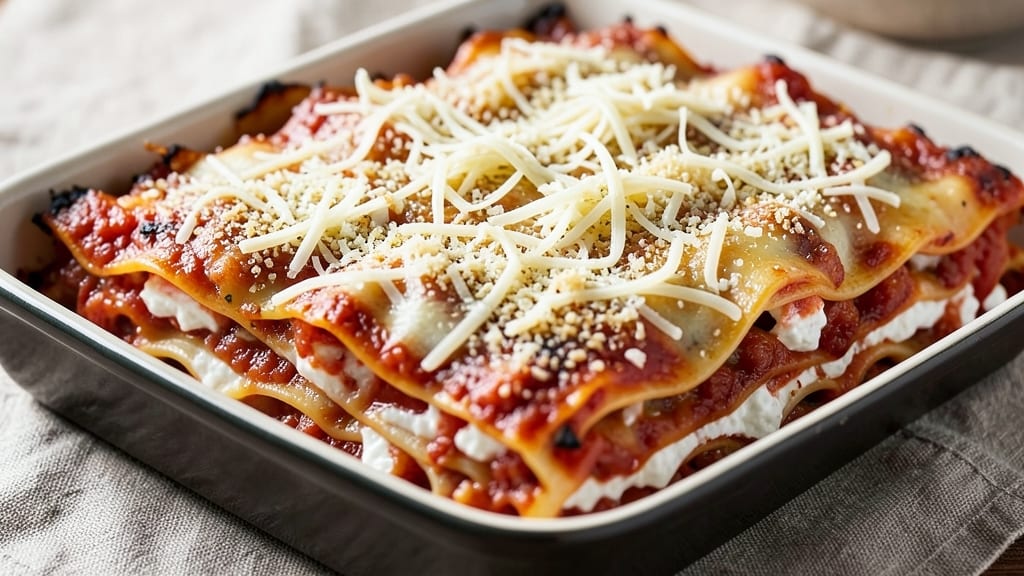
America's Test Kitchen's cheese and tomato lasagna delivers restaurant-quality layers without the dreaded soggy middle. 💛 The secret lies in no-boil noodles and a precise assembly technique that ensures each bite is perfectly al dente.
I've refined this recipe over years of testing, and the result is a lasagna that's rich, cheesy, and foolproof—no overcooking or mushy pasta here.
What sets this recipe apart is the layered precision—each component plays a role in creating that ideal texture. The sauce simmers just long enough to develop deep flavor without losing its vibrancy, while the cheese layers melt into a creamy, golden blanket.
The no-boil noodles absorb the sauce perfectly, eliminating the need for pre-cooking and saving time.
By following this method, you'll achieve a lasagna with crispy top edges, tender noodles, and a sauce that's rich but not heavy. The key is baking at the right temperature—375°F—for the perfect balance of doneness without drying out.
Resting for 15 minutes after baking ensures clean slices and maximum flavor.
Serve with a side salad or garlic bread for a complete meal, or pair it with a bold red wine to complement the tomato and cheese.
This lasagna is versatile enough for weeknight dinners or special occasions—just follow the steps, and you'll have a dish that rivals your favorite Italian restaurant. Let's get started!
Ingredients for america's test kitchen cheese and tomato lasagna
Precision ingredients for restaurant-quality lasagna without the soggy middle—no-boil noodles are key.
| Ingredient | Amount | Notes |
|---|---|---|
| No-Boil Lasagna Noodles 🍝 | 12 sheets | 9x13-inch pan size, standard width |
| Ricotta Cheese 🧀 | 1 ½ cups | Part-skim for creaminess, room temp |
| Large Eggs 🥚 | 2 whole | Room temperature for blending |
| Parmesan Cheese 🧀 | 1 ½ cups | Freshly grated, block preferred |
| Mozzarella Cheese 🧀 | 2 cups | Part-skim, shredded by hand |
| Tomato Sauce 🍅 | 3 cups | High-quality jarred or homemade |
| Canned San Marzano Tomatoes 🍅 | 28 oz | Crushed, no salt added |
| Yellow Onion 🧅 | 1 whole | Medium size, finely chopped |
| Garlic Cloves 🧄 | 4 cloves | Fresh, minced for sauce |
| Olive Oil 🫒 | ½ cup | Extra-virgin for richness |
| Salt 🧂 | 1 ½ tsp | Diamond Crystal preferred |
| Black Pepper 🌶️ | ½ tsp | Freshly ground for heat |
| Fresh Basil Leaves 🌿 | ¼ cup | Chopped, for sauce garnish |
The ricotta and mozzarella are non-negotiable for that creamy, melt-in-your-mouth texture. Whole Foods carries excellent part-skim ricotta, but any brand works if it's fresh—look for a date stamp within 1 week. Parmesan must be freshly grated; pre-shredded contains anti-caking agents that make it grainy. For the San Marzano tomatoes, Mutti or Cirillo brands are worth the splurge—they're sweeter and less acidic. The no-boil noodles? De Cecco or Barilla are the gold standards. If you can't find them, any lasagna noodles labeled 'no-boil' will work, but don't substitute regular ones—they'll turn to mush.
No ricotta? Cottage cheese blended smooth works in a pinch, though it's not identical. Short on mozzarella? Provolone or fontina can substitute at the same quantity, but Parmesan is non-negotiable for that umami kick. The tomato sauce can be store-bought, but if you're making it from scratch, San Marzano tomatoes are essential—they're sweeter and less acidic. Fresh basil is ideal, but dried oregano at half the amount works if you're in a hurry. For the onions, yellow or red both work, but avoid sweet onions—they'll make the sauce too mild. The garlic? Fresh only—jarred garlic has no flavor.
Store the ricotta and mozzarella in airtight containers between layers to prevent drying. Assemble the lasagna up to 24 hours ahead—it actually tastes better after resting. Once baked, let it rest 15 minutes before slicing, or the layers will fall apart. Leftovers keep for 4 days in the fridge, and portions freeze beautifully for up to 3 months. For reheating, cover with foil and warm at 350°F until heated through—microwaving makes the noodles soggy.
Why You'll Love This Recipe
- No-Boil Magic: I swear by those lasagna noodles—no pre-boiling, no soggy mess. Just layer, bake, and walk away. The ricotta-egg mix stays perfectly creamy, no matter how long it sits.
- Three-Cheese Bliss: That ricotta-egg combo? Rich and tangy. The mozzarella melts into gooey perfection, while the parmesan adds a sharp finish. Every bite has texture and depth—no bland layers here.
- Weeknight to Party: Same recipe, different vibes. Feed your family on a Tuesday or impress guests on Sunday. It reheats beautifully, so leftovers taste just as good the next day (yes, even my picky kids ask for seconds).
- Budget-Friendly Crowdpleaser: Uses pantry staples—no fancy ingredients, just big flavor. A single pan means less cleanup, and the leftovers stretch for lunches all week. My wallet and my dinner table thank me.
Step-by-step instructions for america's Test Kitchen cheese and tomato lasagna
Master the art of lasagna with these precision steps—no soggy middle in sight.
👨🍳 Step 1: Build the Cheese Mixture for Perfect Texture
In a large bowl, combine the 1.5 cups ricotta cheese, 2 whole large eggs, 1.5 cups freshly grated parmesan cheese, 1.5 teaspoons salt, and 0.5 teaspoon black pepper. Mix just until smooth—overmixing develops gluten and ruins the creamy texture. This blend forms the lasagna's signature rich, tender layer between the noodles.
Here's the thing—ricotta can vary in moisture content. If your mixture feels too thick, add 1 tablespoon of whole milk at a time until it reaches a spreadable consistency. You want it to cling to the noodles without being runny. Cover and set aside while you prepare the sauce.
🍳 Step 2: Create the Ultimate Tomato-Basil Sauce
Heat 0.5 cup olive oil in a large pot over medium heat. Add the finely chopped yellow onion and cook for 5 minutes until soft and translucent. Add the minced garlic cloves and cook for 30 seconds until fragrant—don't let it brown or it'll turn bitter.
Pour in the 28 oz canned San Marzano tomatoes (crushed by hand) and 3 cups tomato sauce. Stir in 1.5 teaspoons salt and bring to a gentle simmer. Let it cook uncovered for 45-60 minutes until thickened to a syrupy consistency. Stir in the 0.25 cup chopped fresh basil leaves just before removing from heat for maximum freshness.
🥘 Step 3: Assemble with Military Precision
Preheat your oven to 375°F. Spread 1 cup of the tomato sauce on the bottom of a 9x13-inch baking dish. This prevents burning and adds flavor to every layer. Arrange 4 sheets of no-boil lasagna noodles side by side—don't overlap them or they won't cook evenly.
Spread half of the ricotta mixture evenly over the noodles, then sprinkle with 1 cup of the mozzarella cheese. Repeat with another layer of noodles, remaining ricotta, and another 1 cup mozzarella. Top with the final 4 noodle sheets and remaining 1 cup mozzarella. Pour the remaining tomato sauce over the top, pressing gently to help it seep between layers.
🔥 Step 4: Bake to Golden Perfection
Cover the lasagna tightly with aluminum foil and bake for 25 minutes. Remove the foil and bake for another 20-25 minutes until the edges are golden brown and the cheese is bubbling vigorously. The key here is patience—the uncovered baking creates that beautiful crust while keeping the interior tender.
Let the lasagna rest for 15 minutes before slicing. This resting period allows the layers to set and prevents a runny mess. The internal temperature should reach 165°F at the thickest part. Serve with a crisp green salad and crusty bread for the ultimate Italian meal.
Pro Tips For Making America'S Test Kitchen Cheese And Tomato Lasagna
- Preheat That Pan: The recipe calls for baking at 375°F, but I’ve learned the hard way—your lasagna dish needs to hit that temp before the noodles go in. A cold pan means uneven cooking and soggy layers. Slide a hot dish into a cold oven? You’ll regret it.
- Drain Ricotta Like a Pro: Ricotta’s watery when fresh, and no one wants a lasagna swimming in whey. After mixing it with eggs and Parmesan, spread the ricotta mixture on a plate and let it sit for 10 minutes. This lets excess liquid drain off—trust me, your layers will thank you.
- Layer Thin, Layer Even: The ATK recipe’s genius is in the thin, even layers, but I used to eyeball it and end up with uneven piles. Use a ruler or measuring cup to spread the sauce and ricotta mixture consistently. Uneven layers = uneven baking, and no one wants a dry top or a gooey bottom.
- Skip the Overmixing: Ricotta and eggs love to clump when you stir too hard. Mix just until combined—about 10 seconds with a fork—then stop. Overworking it makes the filling dense and chewy. The recipe’s texture relies on that light, airy ricotta, so handle it gently.
Storing and reheating your america's test kitchen cheese and tomato lasagna
Fridge Storage Secrets
Lasagna tastes even better the next day, so store leftovers in an airtight container with a tight-fitting lid. I use glass Pyrex containers because they distribute heat evenly when reheating. Keep it refrigerated for up to 4 days—the flavors meld beautifully overnight. Just
Freezer-Friendly Prep
For long-term storage, freeze lasagna in single-serving portions wrapped tightly in plastic wrap followed by aluminum foil. This prevents freezer burn and makes reheating easier. Portions last up to 3 months in the freezer—just thaw overnight in the fridge before reheating. I recommend freezing it unbaked for best texture, but baked lasagna works too if you wrap it extra carefully. ❄️
Oven Reheating Method
The best way to revive lasagna is in the oven. Cover it with aluminum foil and heat at 350°F for 20-25 minutes until bubbly. This gentle heat prevents the noodles from drying out.
For extra moisture, add 2-3 tablespoons of water or broth to the bottom of the pan before reheating. The foil traps steam, keeping everything tender. 🔥
Microwave Shortcut
When you're in a hurry, microwave individual portions covered with a damp paper towel on 50% power for 2-3 minutes. Stir halfway through to distribute heat evenly. Add a splash of water or milk if it looks dry.
This method works best for 1-2 servings—any more and the texture suffers. I only use this when I'm truly pressed for time! ⏰
Thawing Frozen Lasagna
Thaw frozen lasagna in the fridge overnight for best results. If you're short on time, place it in a sealed plastic bag and submerge in cold water for 1-2 hours.
Never thaw at room temperature—this promotes bacterial growth. For unbaked frozen lasagna, add 5-10 minutes to your baking time to account for the cold start. 💡
Garnish Before Serving
After reheating, let lasagna rest for 5 minutes before adding fresh garnishes. I love a sprinkle of fresh basil leaves or grated Parmesan for brightness. A drizzle of high-quality olive oil adds richness.
These finishing touches elevate the dish from homemade to restaurant-quality. Serve immediately while the cheese is still melty! 🌿
Nutrition facts
Frequently asked questions
Why do no-boil noodles prevent a soggy middle?
The no-boil noodles absorb sauce during baking rather than releasing starch when pre-cooked. This creates a stable structure that holds up to the cheese and sauce layers. The key is using 12 sheets in a 9x13-inch pan with proper sauce distribution between layers.
Can I make this lasagna ahead of time?
Assemble the lasagna up to 24 hours ahead and refrigerate uncovered. The flavors develop beautifully overnight. Just add 10-15 minutes to baking time if starting from cold. For freezing, assemble unbaked and wrap tightly—it keeps for 3 months before baking.
What if my ricotta mixture is too thick?
Add 1 tablespoon of whole milk at a time until it reaches a spreadable consistency—it should cling to noodles without dripping. Overmixing develops gluten, so stir just until combined. If using cottage cheese as a substitute, blend it smooth first.
How do I know when it's fully baked?
The edges should be golden brown and the cheese bubbling vigorously. Use an instant-read thermometer to check the center—it should reach 165°F. The top layer should firm up but still be slightly jiggly. Let it rest 15 minutes before slicing for clean layers.
Can I add meat to this recipe?
Yes! Brown 1 pound of ground beef or Italian sausage with onions and garlic before adding tomatoes. Drain excess fat and mix into the sauce. For best texture, use lean meat (90% lean or less) and cook until fully done. Add meat to the sauce layer between noodles.