
Sauces & Condiments
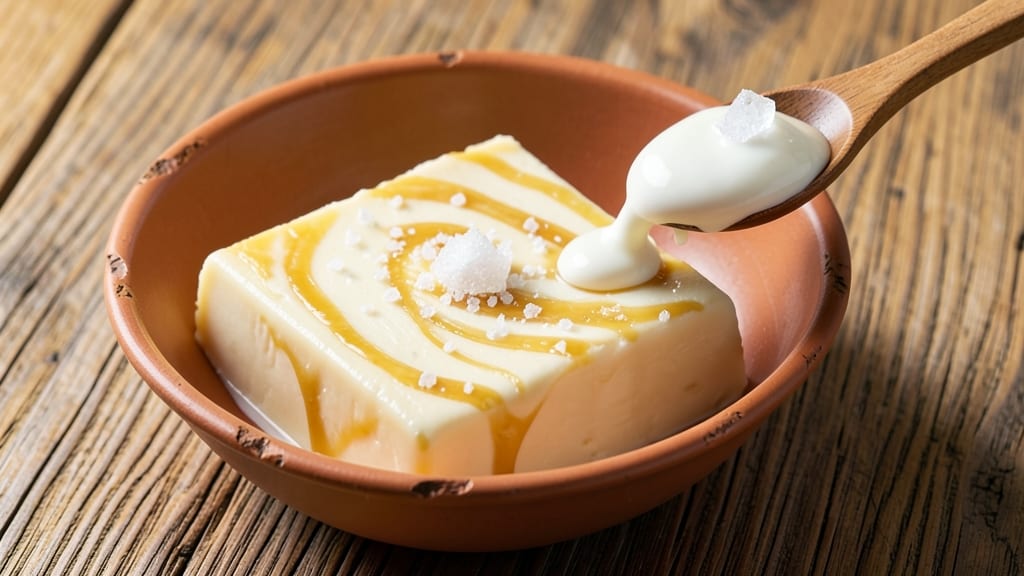
This Amish butter cheese recipe transforms simple ingredients into a rich, caramelized spread that tastes like a slice of homemade heaven. 💛 The traditional method relies on slow acidification and careful temperature control to create that signature sweetness and velvety texture—no shortcuts, just time-honored technique.
What makes this recipe special is how it balances authenticity with modern safety, whether you use unpasteurized milk for classic flavor or pasteurized milk for convenience.
At the heart of this recipe is the fermentation process, where milk gradually thickens into curds with just a splash of vinegar and a sprinkle of salt. The key lies in patience—heating the mixture gently and stirring consistently to avoid scalding.
Once the curds form, they’re drained, pressed, and aged for 24 hours, developing that deep, caramelized sweetness that defines Amish butter cheese. The result is a spread that’s rich, spreadable, and packed with flavor, far beyond anything store-bought can match.
What you’ll end up with is 1 pound of homemade butter cheese, ready to elevate everything from toast and crackers to savory dishes like mashed potatoes or roasted vegetables. The texture is smooth yet slightly grainy, with a caramelized sweetness that builds as it ages.
This recipe isn’t just about making cheese—it’s about recreating a taste of tradition in your own kitchen, one careful step at a time.
Perfect for gifting, meal prep, or simply spreading on fresh bread, this cheese keeps well for up to 2 weeks when stored properly. Whether you’re a first-time cheesemaker or a seasoned pro, the process is straightforward once you master the basics. Let’s get started on creating something truly special.
Ingredients for amish butter cheese
Eight essential ingredients transform simple milk into rich, caramelized Amish butter cheese spread.
| Ingredient | Amount | Notes |
|---|---|---|
| Whole Milk 🥛 | 4 cups | Unpasteurized preferred for classic flavor |
| White Vinegar 🍶 | 2 tbsp | Distilled white vinegar recommended |
| Diamond Crystal Kosher Salt 🧂 | ½ tsp | Fine grain preferred for even dissolving |
| Unsalted Butter 🧈 | 1 cup | Cold, cubed for easier mixing |
| Heavy Cream 🥛 | ½ cup | Full-fat for optimal texture |
| Granulated Sugar 🍚 | 2 tbsp | For subtle caramelization during aging |
| Fresh Lemon Juice 🍋 | 1 tbsp | Brightens final flavor profile |
| Cheesecloth 🧵 | 1 sheet | Muslin preferred for optimal drainage |
| Rubber Bands 🔗 | 2 whole | For securing cheesecloth bundle |
The quality of milk makes all the difference here. For authentic Amish flavor, unpasteurized whole milk from a local dairy is ideal—look for labels indicating it's raw and grass-fed. If that's unavailable, pasteurized whole milk works perfectly well for a modern kitchen. The vinegar should be distilled white vinegar, not apple cider or balsamic, as its acidity is consistent and reliable. I recommend purchasing milk in glass bottles from local farms or specialty grocers like Whole Foods—they maintain freshness longer. Store your milk in the coldest part of your fridge until ready to use, and always use it within 5 days of purchase for optimal fermentation.
No unpasteurized milk? Pasteurized whole milk delivers nearly identical results, though with slightly less depth of flavor. Running short on vinegar? Lemon juice works at double the amount, though the flavor profile shifts slightly. For the butter and cream, full-fat versions are non-negotiable—they provide the necessary richness for that signature velvety texture. Want to skip the cheesecloth? Clean kitchen towels or paper towels work in a pinch, though they drain less effectively. The sugar can be omitted entirely if you prefer a less sweet cheese, but I recommend keeping it for that subtle caramelization during aging. For storage, always use glass containers—they preserve flavor better than plastic.
This cheese develops its signature caramelized sweetness during the 24-hour aging process, so patience is key. Once formed, store it in an airtight container in the refrigerator for up to 2 weeks. The texture becomes increasingly smooth with each passing day, so don't rush it. For gifting, portion into small glass jars with a drizzle of olive oil on top to preserve freshness. If you notice a slight skin forming on the surface, simply scrape it off before using—it doesn't affect flavor. The cheese freezes beautifully for up to 3 months, though texture may become slightly grainier upon thawing. Always thaw in the refrigerator overnight for best results.
Why You'll Love This Recipe
- Pantry Magic: I swear by this recipe because it turns five things I always have—whole milk, vinegar, butter, cream, salt—into something special. No fancy ingredients, no last-minute grocery runs. Just open the fridge, measure, and go.
- Tangy Creamy Bliss: That first bite? The vinegar cuts through the richness of the butter and cream, giving it this bright, almost buttery tang that’s not too sharp. It’s the kind of flavor that makes you pause mid-bite—honestly, it’s like a hug in cheese form.
- Everyday Superstar: Spread it on toast for breakfast, melt it into mashed potatoes, or toss it into a skillet of scrambled eggs. I’ve even used it as a quick cheese sauce for veggies when I’m in a rush. It’s the kind of cheese that doesn’t need a special occasion to shine.
- Makes More Than You Think: A single batch stretches further than you’d expect—perfect for meal prep or feeding a crowd. The leftovers keep well in the fridge, and I’ve even frozen small portions for later. Between us, it’s my go-to for stretching a budget without sacrificing taste.
Step-by-step instructions for Amish butter cheese
Transform simple dairy into a velvety, caramelized spread with this traditional method.
👨🍳 Step 1: Acidify the Milk for Perfect Curd Formation
Pour the 4 cups whole milk into a heavy-bottomed saucepan and warm it over medium-low heat until it reaches 185°F—just below a gentle simmer. This temperature is crucial; any hotter and you risk scorching the milk. I use a candy thermometer for precision, but if you don't have one, look for small bubbles forming around the edges and a slight thickening of the milk.
Remove the pan from heat and slowly whisk in the 2 tbsp white vinegar. The mixture will immediately begin to curdle, transforming from smooth liquid to lumpy curds and whey within 5-10 minutes. Stir gently to encourage even separation. You're aiming for thick, cottage-cheese-like curds that hold together when pressed between your fingers. If the curds are too soft, return the pan to low heat for 1-2 minutes to firm them up.
🥘 Step 2: Drain and Sweeten the Curds
Line a colander with the cheesecloth and place it over another bowl to catch the whey. Gently transfer the curds to the cheesecloth, pressing lightly to remove excess liquid. Twist the corners of the cheesecloth and secure them tightly with the 2 whole rubber bands, forming a bundle. Hang this bundle over the bowl to continue draining for 30 minutes—this step is essential for achieving that signature Amish butter cheese texture.
While the curds drain, combine the 1 cup unsalted butter (cold and cubed), 0.5 cup heavy cream, 2 tbsp granulated sugar, and 0.5 tsp diamond crystal kosher salt in a mixing bowl. Use a hand mixer to whip this mixture until it becomes pale and fluffy, about 3-4 minutes. This butter mixture will become the creamy base of your cheese, so don't rush this step—properly whipped butter creates a silky final product. Fold in the 1 tbsp fresh lemon juice at the end for brightness.
🍳 Step 3: Blend Curds with Butter Mixture
After draining, transfer the curds to the mixing bowl with the butter mixture. Use a rubber spatula to break up any large clumps of curd, then mix on low speed for 2 minutes until fully incorporated. Increase the speed to medium and whip the entire mixture for 5-7 minutes until smooth and creamy. You're looking for a consistency similar to thick whipped cream—no lumps should remain. If the mixture seems too thick, add 1-2 tablespoons of the reserved whey to loosen it.
Here's the thing—this is where the magic happens. The acidified curds marry with the rich butter and cream to create that signature Amish butter cheese texture. Taste and adjust seasoning if needed, adding more sugar for sweetness or salt for tang. The cheese should be sweet, rich, and slightly tangy with a velvety mouthfeel. For best flavor development, cover and refrigerate for at least 4 hours (overnight is ideal) before serving.
⏰ Step 4: Age for Optimal Flavor and Texture
Transfer the finished cheese to a clean glass jar and smooth the top with a spatula. Cover with plastic wrap pressed directly onto the surface to prevent a skin from forming. Refrigerate for 4-24 hours—this aging period allows the flavors to meld and develop that caramelized sweetness characteristic of Amish butter cheese. The longer it ages, the more complex the flavor becomes, but even a few hours makes a noticeable difference.
After aging, give the cheese one final stir to ensure even consistency. Serve immediately on warm biscuits, cornbread, or fresh fruit for the ultimate Amish-inspired spread. The texture should be smooth yet slightly spreadable, with a delicate balance of sweetness from the sugar and tang from the vinegar. Each bite should deliver that rich, buttery goodness with just a hint of lemon brightness.
Pro Tips For Making Amish Butter Cheese
- STRAIN IT TWICE: The first strain catches the big curds, but the second—with cold water—washes away that sour tang hiding in the whey. I learned this the hard way when my first batch tasted faintly vinegary. Use a fine-mesh strainer or cheesecloth, and don’t skimp on the rinsing.
- USE COLD MILK: Room-temperature milk curdles faster but gives you a softer, less stable cheese. Start with milk straight from the fridge—around 60°F—and let it warm slowly in the pot. Cold milk also means the vinegar won’t shock the curds into tiny, grainy bits.
- SALT THE CURDS: Add half the salt to the warm curds before draining. This draws out moisture and tightens the texture before they hit the mold. The rest goes in later, but this first sprinkle is the thing that matters most for that classic Amish crumbly bite.
- WHISK THE CREAM: Fold the heavy cream into the drained curds gently with a whisk, not a spoon. You’re not making whipped cream—you’re marrying fat and protein. Overmixing turns it gloppy; underwhisking leaves pockets of dryness. Stop when it looks like thick, lumpy pudding.
Make-ahead tips for this dish
Prep Ahead Strategy
Start the acidification process the night before—warm the milk to 185°F and let it cool to room temperature before adding vinegar. Cover and refrigerate overnight. This jumpstarts fermentation, reducing morning prep time to just 15 minutes of gentle stirring to firm up curds.
I’ve found this method creates more consistent results, especially in cooler kitchens. 💡
Storage Solutions
Store finished cheese in glass jars with airtight lids in the fridge for up to 2 weeks. For longer storage, portion into small glass jars (like 4-ounce mason jars)—they’re perfect for gifting and thaw easily.
Label each jar with the date to track freshness. Freezing is possible for 3 months, but texture may soften slightly upon thawing.
Make-Ahead Aging
For deeper flavor, age the cheese 24 hours before serving. I recommend making it 1-2 days ahead and storing it in the fridge. The longer it ages, the more caramelized and complex the sweetness becomes.
This is especially useful for holiday gatherings—just pull it out of the fridge and serve straight from the jar. ✨
Batch Prep Tips
Double the recipe for large gatherings—8 cups milk yields 2 pounds of cheese. Use two separate mixing bowls for the butter mixture to save time. Store extra portions in vacuum-sealed bags to extend shelf life.
I’ve made 4 batches at once using a stand mixer with two beaters, cutting prep time in half. 💪
Freezer-Friendly Packaging
Portion cheese into 1-ounce servings in silicone molds for easy single-use portions. Freeze flat between parchment paper to save space. When ready to use, thaw in the fridge overnight. This method keeps the texture intact and makes it perfect for quick snacks or last-minute additions to dishes. ❄️
Reheating for Serving
For a warm spread, gently reheat cheese in a small saucepan over low heat with 1 tablespoon of cream until smooth. Avoid high heat—it can cause separation. I love serving it warm on toasted sourdough or warm cornbread for a restaurant-quality touch. Always reheat covered to preserve moisture.
Nutrition facts
Frequently asked questions
Can I use store-bought cream cheese instead of making it from scratch?
While you can substitute cream cheese for convenience, it won't give you that authentic Amish butter cheese flavor or texture. The homemade version develops its signature caramelized sweetness through the fermentation process and aging. If you're short on time, use full-fat cream cheese (like Philadelphia) and add an extra 1 tbsp sugar plus 1 tsp lemon juice to mimic the sweet-tangy profile.
Why does my cheese turn out too runny?
Runny cheese usually happens when curds aren't drained long enough or the butter mixture wasn't whipped properly. For firmer texture, drain curds for 45 minutes instead of 30, and whip the butter mixture until it's thick and pale (about 4-5 minutes). If it's still too soft, chill it for 2 hours before serving—cold temperatures help it set.
How can I make this recipe dairy-free?
For a dairy-free version, replace milk with unsweetened almond milk (full-fat preferred) and use vegan butter and coconut cream instead of dairy butter and cream. The acidification process works the same—just add 2 tbsp apple cider vinegar to the warm milk. Note that the flavor will be milder, but the sweet-spreadable texture remains similar.
Can I add herbs or spices to this cheese?
Traditional variations include chives, garlic powder, or black pepper for savory versions. For sweet applications, try cinnamon or vanilla extract. Add spices during the final mixing step—just 1/4 tsp is plenty. Avoid strong herbs like dill, as they can overpower the delicate flavor. The best time to add them is after blending curds with the butter mixture.
What's the best way to serve leftover Amish butter cheese?
This versatile spread shines on warm biscuits, cornbread, or crackers, but it also elevates savory dishes. Try mixing it into mashed potatoes, spreading it on toasted baguettes, or dolloping it on roasted vegetables. For a sweet twist, pair it with fresh fruit like apples or berries. The cheese keeps well for 2 weeks, so don't hesitate to experiment!