
Appetizers
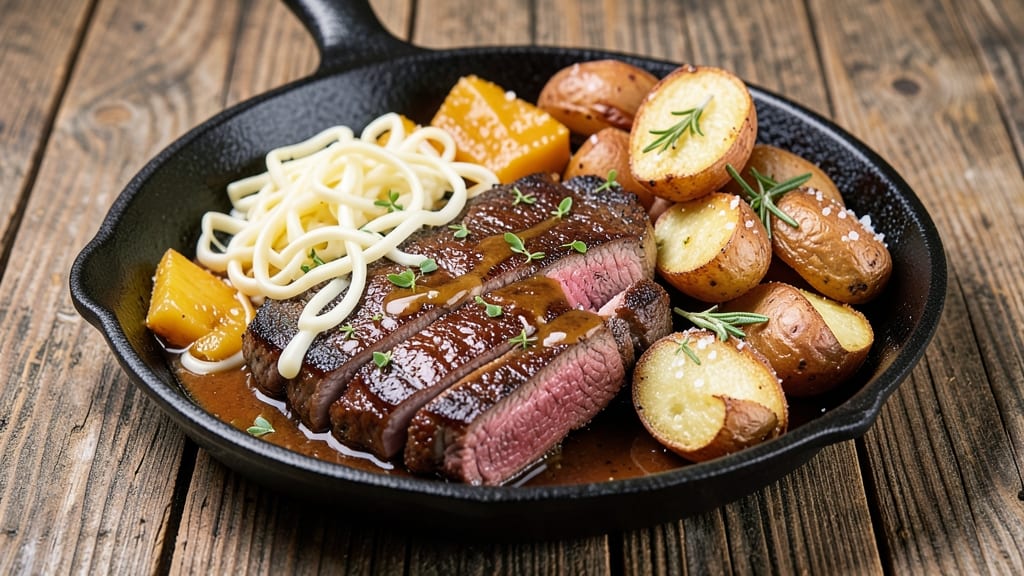
This Angus barn cheese recipe transforms a simple casserole into a hearty, restaurant-worthy dish with tender beef, sharp cheddar, and a golden herb crust. The secret lies in searing thick-cut Angus steak to lock in juices before slow-baking it with melted cheese until bubbly and crispy on top.
Every bite delivers rich, savory beef paired with smoky cheddar that clings perfectly to the meat.
What sets this dish apart is the two-stage cooking process—first searing the beef for deep flavor, then baking until the cheese forms a crispy crust that holds its shape. The herb crust adds texture and aroma, while roasted potatoes on the side soak up every last bit of savory juices.
This isn’t just comfort food; it’s a showstopper that feels like a farmhouse feast.
The result is a dish where tender, caramelized beef melts into creamy cheese, all topped with a crackling herb crust that’s impossible to resist. It’s the kind of meal that disappears quickly, leaving guests asking for seconds.
Serve with a crisp green salad to balance the richness, and you’ve got a complete, satisfying dinner.
Perfect for weekend gatherings or a special weeknight treat, this recipe delivers restaurant-quality results with minimal effort. The key is patience—letting the cheese melt slowly and the crust develop that perfect crispy finish. Once you try it, you’ll never settle for anything less.
Ingredients for angus barn cheese
Thick-cut steak, sharp cheddar, and a crispy herb crust make this comfort dish unforgettable.
| Ingredient | Amount | Notes |
|---|---|---|
| Thick-Cut Angus Steak 🥩 | 1 ½ lb | 2-inch thick cuts preferred |
| Sharp White Cheddar Cheese 🧀 | 8 oz | Block cheese, freshly grated |
| Smoked Gouda Cheese 🧀 | 4 oz | For smoky depth |
| Russet Potatoes 🥔 | 2 lbs | Cut into 1-inch chunks |
| Fresh Rosemary 🌿 | ½ cup | Chopped, stems removed |
| Fresh Thyme 🌿 | ¼ cup | Leaves only, finely chopped |
| Garlic Cloves 🧄 | 6 cloves | Minced, for seasoning |
| Extra-Virgin Olive Oil 🫒 | ½ cup | For searing and drizzling |
| Unsalted Butter 🧈 | ¼ cup | Melted, for potatoes |
| Heavy Cream 🥛 | ½ cup | For herb crust |
| Diamond Crystal Kosher Salt 🧂 | 2 tbsp | For seasoning and crust |
| Freshly Ground Black Pepper 🌶️ | 1 tbsp | Coarsely ground |
| All-Purpose Flour 🌾 | ¼ cup | For herb crust |
| Beef Broth 💧 | 1 cup | Low-sodium preferred |
The Angus steak is non-negotiable here—thick cuts (2 inches) sear beautifully and stay tender. Costco or Whole Foods carry the best cuts, but any quality butcher will have it. Look for good marbling; that’s what makes it juicy. If you can’t find thick-cut steak, ribeye or New York strip works, but they won’t be as forgiving. Slice against the grain after cooking to maximize tenderness. The cheeses? Sharp white cheddar from Tillamook and smoked Gouda from Trader Joe’s are my go-tos—they’re easy to find and deliver big flavor.
No smoked Gouda? Smoked cheddar at half the amount works in a pinch, but you’ll lose some depth. Fresh herbs are ideal, but dried rosemary and thyme at one-third the amount get you close. The potatoes should be russets—they brown perfectly. If you’ve got Yukon Golds, use them, but they’ll be creamier, not crispy. The beef broth can be homemade or store-bought, just make sure it’s low-sodium. For extra richness, add a splash of heavy cream to the broth—trust me on this.
This dish tastes even better the next day, so make extra. The herb crust keeps its crunch for about 2 days if stored properly—wrap tightly in foil and refrigerate. For longer storage, freeze the whole casserole (without the crust) for up to 3 months. Reheat in the oven at 350°F until bubbly, then broil for 2 minutes to crisp the top again. Leftovers reheat beautifully, but the crust loses its crunch, so I always make a fresh one for serving.
Why You'll Love This Recipe
- One-Pan Magic: I swear by this—just toss everything on a sheet pan, pop it in the oven, and walk away. The steak gets perfectly seared while the potatoes crisp up, and that melted cheese? It’s all happening without a single extra dish.
- Cheese Overload: Between the sharp white cheddar and smoky gouda, this dish is a flavor explosion. I’ll be real: the first time I tried it, I went back for seconds before the plate even hit the table.
- Weeknight Hero: This feeds a crowd but doesn’t require a holiday menu. Honestly, I’ve served it at BBQs, game nights, and even a lazy Sunday brunch—just adjust the sides, and it’s always a hit.
- Leftovers? Yes, Please: The steak stays tender, the cheese stays gooey, and the potatoes? Still crisp the next day. Between us, I’ve reheated this for lunch three times and never once regretted it. Budget-friendly and foolproof.
Step-by-step instructions for smoky cheddar and crispy herb crust delight
Here's how to create a showstopping dish with perfectly seared steak and a golden herb-cheese crust.
Sear the Angus Steak to Perfection
Remove the 1.5 lb thick-cut angus steak from the refrigerator and let it sit at room temperature for 30 minutes. This ensures even cooking. Preheat your oven to 400°F. Heat 2 tablespoons of the extra-virgin olive oil in a heavy skillet over medium-high heat until it shimmers.
Place the steak in the skillet and sear for 4 minutes per side until it develops a deep mahogany crust. Press down gently on the steak during the first minute to prevent curling. Once seared, transfer the steak to a plate and tent loosely with foil. Let it rest while you prepare the potatoes.
Prepare the Herb-Crusted Potatoes
Cut the 2 lbs russet potatoes into 1-inch chunks and place them in a large bowl. Melt 0.25 cup unsalted butter in a large skillet over medium heat. Add the potato chunks and cook, stirring occasionally, for 10 minutes until they begin to soften.
In a separate bowl, combine 0.5 cup fresh rosemary, 0.25 cup fresh thyme, 6 cloves minced garlic, 0.25 cup all-purpose flour, 2 tablespoons diamond crystal kosher salt, and 1 tablespoon freshly ground black pepper. Toss the potatoes in this herb mixture until evenly coated. Spread them on a baking sheet and bake for 25 minutes at 400°F until golden and crispy.
Create the Smoky Cheese Sauce
In the same skillet used for the potatoes, reduce the heat to medium and add 0.5 cup heavy cream and 1 cup beef broth. Bring to a gentle simmer and let it reduce by half, about 5 minutes. Stir in 8 oz freshly grated sharp white cheddar cheese and 4 oz smoked gouda cheese until fully melted and smooth.
Remove the skillet from heat and stir in the remaining 0.25 cup extra-virgin olive oil to create a rich, velvety sauce. Season with an additional pinch of salt and pepper if needed. The sauce should coat the back of a spoon and have a thick, creamy consistency.
Assemble and Finish the Dish
Slice the rested steak into ½-inch thick slices against the grain. Spread the herb-crusted potatoes on a serving platter and drizzle the smoky cheese sauce generously over the top. Arrange the steak slices on top of the potatoes, allowing the sauce to seep into the crust.
Broil the dish for 2-3 minutes until the cheese on top is bubbly and golden. Garnish with additional fresh rosemary and thyme for a pop of color. Serve immediately, ensuring each bite delivers the perfect harmony of crispy herbs, smoky cheese, and tender steak.
Pro Tips For Making Angus Barn Cheese
- CRUST THE POTATOES FIRST: I used to parboil those russets like I was in a hurry, but that turns them mealy by the time they hit the cheese. Instead, slice them thick (about ½-inch), toss in cold water for 10 minutes to remove starch, then pat dry with a towel—no rinsing. Pan-fry in butter until golden brown before adding cheese, or you’ll end up with soggy spuds under a gooey mess.
- SALT THE STEAK LIKE IT’S 1950: Angus steak needs salt early and often—not just before searing. Rub it with kosher salt 4 hours ahead (or at least 20 minutes before cooking) so it seasons deep. Skip the pre-salted butter on the potatoes too; the cheddar and gouda are already salty enough, and you’ll regret it if you overdo it later.
- DON’T SKIP THE ROSEMARY SPRINKLE: Fresh rosemary isn’t just for garnish—it’s the bridge between the smoky gouda and the sharp cheddar. Chop it fine (no, your fingers aren’t a good enough gauge—use a knife) and scatter it directly on the cheese before melting. The heat will release its oils, and suddenly your dish smells like a French bistro instead of a sad casserole.
- USE A THERMOMETER FOR THE STEAK: Medium-rare is 130°F, not "when it looks done." I’ve overcooked more Angus than I’ll admit by eyeballing it, especially when it’s thick-cut. Pull it at 125°F if you like it rare, then let it rest—covered—for 5 minutes. The internal temp will climb 5°F while it rests, and you’ll have a perfect medium-rare slice every time.
Essential equipment for angus barn cheese
Essential Skillet
A 12-inch cast iron skillet is non-negotiable for this recipe—it distributes heat evenly and builds that deep mahogany crust on the steak. I swear by the Lodge Pre-Seasoned Cast Iron Skillet because it retains heat like a dream and develops a natural non-stick surface over time.
If you don’t have cast iron, a heavy stainless steel skillet (like All-Clad) works, but you’ll need to monitor heat more carefully to avoid hot spots. 🔥
Oven Thermometer
Your oven’s temperature display isn’t always accurate, and this recipe depends on precise heat control. A Thermoworks Oven Thermometer ($20) is my go-to—it slides right into your oven and gives you real-time readings.
For this dish, aim for 400°F (not the "hot" setting), and if your oven runs hot, adjust accordingly. I’ve seen dishes fail when the oven was actually 425°F—the cheese burns before it melts properly.
Cheese Grater
Freshly grated cheese makes all the difference in texture and flavor. A Microplane is my weapon of choice for this recipe—it creates fine, even shreds that melt smoothly into the sauce. Avoid pre-shredded cheese (it contains anti-caking agents that prevent proper melting).
For the smoked Gouda, I like to grate it last to preserve its aroma, then fold it into the melted cheddar just before assembling the dish.
Measuring Tools
Precision matters when balancing flavors in this dish. Invest in a stainless steel measuring set (like Oxo Good Grips) for accurate measurements of herbs, flour, and broth. For the herb crust, I use a small mixing bowl to toss the potatoes evenly—uneven coating leads to patchy browning.
A fine-mesh strainer also comes in handy if you want to remove any potato starch from the herb mixture before baking.
Baking Sheet
A half-sheet pan (18x13 inches) is ideal for roasting the herb-crusted potatoes because it gives them space to crisp up without steaming. Line it with parchment paper for easy cleanup, but leave the edges bare so the potatoes can brown directly on the metal.
If you’re short on space, a rimmed baking sheet works, but rotate it halfway through baking for even browning.
Broiler Pan
For the final broiling step, a broiler pan (or even a sturdy baking sheet) ensures the cheese melts evenly and develops that golden, bubbly crust. Place it on the middle rack of your oven about 4-5 inches from the heat source.
If your oven runs hot, reduce to broil-low and watch closely—over-broiling turns the cheese rubbery. A spatula with a long handle helps rearrange the steak slices if needed without burning your fingers. ⚡
Nutrition facts
Frequently asked questions
Can I substitute other beef cuts for Angus?
While Angus is ideal for its marbling and tenderness, you can use ribeye or New York strip in a pinch. For best results, choose cuts with good marbling and aim for 1.5 lbs total. Avoid leaner cuts like flank steak—they won't stay juicy when baked. If substituting, increase searing time slightly to 5 minutes per side to compensate for less fat.
Why does the herb crust need flour?
The flour in the herb mixture acts as a binder to help the herbs stick to the potatoes and create that perfect crispy texture. Without it, the herbs would burn or fall off during baking. For a gluten-free version, substitute with cornstarch or almond flour at the same measurement.
Can I make this dish ahead of time?
Assemble the dish (without broiling) up to 24 hours ahead and refrigerate. When ready to serve, bake at 400°F for 20 minutes before broiling. For longer storage, freeze the assembled dish (without the crust) for up to 3 months. Thaw overnight in the fridge before reheating.
What if my cheese sauce gets too thick?
If your sauce thickens too much, simply whisk in 1-2 tablespoons of warm milk or heavy cream to loosen it. The sauce should be smooth and coat the back of a spoon. For extra richness, you can also add a splash of beef broth—just reduce it again if needed before assembling the dish.
How do I prevent the cheese from burning?
Watch the broiler closely—it should only take 2-3 minutes max. Keep the dish on the middle rack about 4-5 inches from the heat source. If your oven runs hot, reduce to broil-low and check frequently. A spatula with a long handle helps rearrange slices if needed without burning your fingers.