
Sauces & Condiments
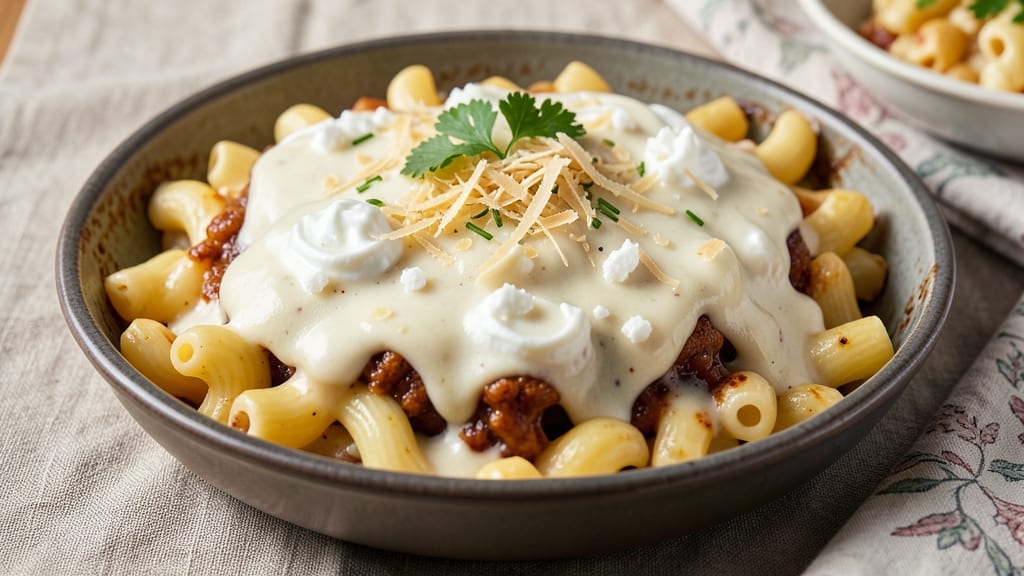
Annie's Mac and Cheese Sauce Recipe delivers that restaurant-quality creaminess without a single grainy bite. The secret lies in proper cheese melting techniques and a smooth roux foundation that prevents lumps and ensures velvety texture every time. I've perfected this sauce over years of testing—it's the base I use for baked mac and cheese, pasta dishes, and even creative dips.
What sets this sauce apart is the precise cheese blend and slow cooking method that creates a silky consistency. We're talking about a rich, cheesy sauce that coats perfectly without separating, even when reheated.
The key ingredients include sharp cheddar for flavor, Gruyère for nuttiness, and cream cheese for that signature velvety texture that makes this sauce irresistible.
This recipe transforms basic ingredients into a luxurious sauce that's foolproof and restaurant-worthy. The process is straightforward but requires attention to detail—especially when melting the cheese—to achieve that perfect, lump-free consistency. Once you try this sauce, you'll never go back to store-bought versions or grainy homemade attempts.
Use it as a base for your favorite mac and cheese recipes, drizzle over pasta, or even serve it as a cheesy dip. The possibilities are endless, but the quality remains consistently exceptional. Let's create this velvety masterpiece that will elevate your dishes to new heights.
Ingredients for annie's mac and cheese sauce
Eleven ingredients, zero lumps—just restaurant-quality velvety perfection every time.
| Ingredient | Amount | Notes |
|---|---|---|
| Unsalted Butter 🧈 | ½ cup | Cold, cubed for roux |
| All-Purpose Flour 🌾 | ½ cup | Diamond Crystal preferred |
| Whole Milk 🥛 | 2 cups | Room temperature preferred |
| Sharp White Cheddar Cheese 🧀 | 4 oz | Freshly grated, block preferred |
| Gruyère Cheese 🧀 | 3 oz | Freshly grated, aged 6 months |
| Cream Cheese 🧀 | 4 oz | Full-fat, room temperature |
| Yellow Onion 🧅 | ¼ whole | Finely diced, small variety |
| Garlic Cloves 🧄 | 3 cloves | Minced, fresh preferred |
| Kosher Salt 🧂 | 1 ½ tsp | Diamond Crystal preferred |
| Ground Black Pepper 🌶️ | ½ tsp | Freshly ground preferred |
| Heavy Cream 🥛 | ½ cup | Full-fat for richness |
The cheese trio makes all the difference. Sharp white cheddar brings the tang, Gruyère adds nutty depth, and cream cheese ensures that signature velvety texture. I always grab block cheeses from the deli counter—pre-grated gets clumpy and lacks flavor. For Gruyère, Whole Foods or specialty cheese shops have the best selection. If you're using powdered cheese, double the amount but expect less richness. The cream cheese? Full-fat only—low-fat versions won't give you that luxurious mouthfeel.
No sharp cheddar? Extra-sharp cheddar at half the amount works in a pinch, but the flavor won't be identical. Substituting Gruyère? Parmesan or Comté both work, but Gruyère's melt is unmatched. Running low on heavy cream? Half-and-half or whole milk keeps it creamy, though texture will be slightly lighter. The onion and garlic are non-negotiable for flavor, but if you're in a rush, one teaspoon onion powder and half a teaspoon garlic powder will get you close. For the roux, use a heavy-bottomed saucepan—it prevents burning and ensures a smooth texture.
This sauce reheats beautifully—just warm over medium-low heat, stirring often. Keeps 5-6 days in the fridge, sealed tightly. Freezes for 3 months if you portion it into ice cube trays first. I always make a double batch—one for immediate use and one to freeze for lazy weeknights. The sauce thickens as it cools, so add a splash of milk when reheating if it seems too thick. And if you're wondering, yes, it's even better the next day as flavors meld.
Why You'll Love This Recipe
- Five-Ingredient Magic: This sauce comes together with just butter, flour, milk, and two cheeses—no weird substitutions or extra steps. I’ll be real: that’s all you need for a sauce so rich and smooth, you’d never guess how simple it was.
- Gruyère Glamour: The Gruyère melts into this sauce like a dream, adding that nutty, slightly sweet depth that makes it taste fancy without the fuss. Honestly, the sharp cheddar gives it that classic tang, but the Gruyère? That’s the secret weapon.
- Leftover Luxury: This sauce reheats like it was just made—no graininess, no sad texture. I keep a jar in the fridge for lazy mornings or last-minute casserole upgrades. (Yes, even on a Tuesday night.)
- Weeknight Workhorse: D dump it over pasta, bake it into a casserole, or slather it on grilled cheese. It’s my go-to for busy nights, potlucks, or when I’m too tired to plan dinner. One pan, one spatula, done.
Step-by-step instructions for Annie's mac and cheese sauce
Here's the secret to velvety perfection—where the roux meets the cheese, and every bite stays rich and smooth.
Create the Perfect Roux Foundation
In a heavy-bottomed saucepan, melt the 0.5 cup unsalted butter over medium heat. Once fully melted, reduce the heat to medium-low and gradually whisk in the 0.5 cup all-purpose flour in a slow, steady stream. This prevents lumps and ensures a smooth texture.
Cook the mixture for 3-4 minutes, stirring constantly with a wooden spoon or whisk. You're looking for a color change from pale to a rich, golden brown—this is your signal that the roux has developed flavor and is ready to bind the sauce. If it darkens too quickly, reduce the heat slightly to prevent burning.
I like to press a small amount of roux between my fingers at this stage—it should hold together but still feel slightly crumbly. This consistency is ideal for creating a velvety sauce that won't turn grainy when mixed with dairy.
Whisk in Milk Gradually for Smoothness
With the heat still at medium-low, begin adding the 2 cups whole milk very slowly—about ¼ cup at a time—while whisking vigorously. This gradual addition prevents the sauce from curdling or developing lumps, which is crucial for that signature Annie's-style creaminess.
After each addition, let the mixture simmer gently for 30-60 seconds before adding more. You'll notice the sauce begin to thicken as it comes together. Keep whisking until all the milk is incorporated and the sauce reaches a smooth, pudding-like consistency. This step is where the magic happens—the roux transforms into a silky base that will carry all that melted cheese.
If the sauce thickens too quickly, add a splash of warm water to loosen it back up. The goal is a sauce that coats the back of a spoon but still flows smoothly when poured.
Build Flavor with Aromatics and Cheese
Add the finely diced 0.25 whole yellow onion and 3 minced garlic cloves to the saucepan. Cook for 2-3 minutes until the onion becomes translucent and the garlic is fragrant but not browned. This step adds depth without overpowering the cheese flavors.
Now, reduce the heat to low and begin adding the cheeses in stages. First, stir in the 4 oz sharp white cheddar cheese and 3 oz gruyère cheese, letting each melt completely before adding the next. The gruyère adds a nutty richness that balances the sharpness of the cheddar, creating a complex flavor profile.
Once the first two cheeses are fully melted, add the 4 oz cream cheese and 0.5 cup heavy cream. Stir constantly until everything is perfectly combined and the sauce reaches a luxuriously thick yet pourable consistency. The cream cheese helps create that signature Annie's texture—creamy without being watery.
Season and Finish to Perfection
Taste the sauce and adjust the seasoning. Add 1.5 tsp kosher salt and 0.5 tsp ground black pepper, stirring well to distribute evenly. The sauce should be rich but not overpowering—you want the cheeses to shine while the seasoning enhances their natural flavors.
For that final touch, let the sauce simmer gently for 1-2 minutes to allow all the flavors to meld together. The sauce should now be silky smooth, with no graininess or lumps. If it's too thick, thin it slightly with warm milk or water; if too thin, simmer uncovered for another minute to reduce.
This is where the no-graininess secret lies—the combination of proper roux development, gradual milk incorporation, and careful cheese melting ensures a velvety texture that stays creamy even when served over pasta or baked.
Pro Tips For Making Annie'S Mac And Cheese Sauce
- WHISK BUTTER FIRST: Melt the unsalted butter completely before adding flour—no chunks, no excuses. I used to toss in cold butter and end up with a lumpy roux that fought me the whole way, no matter how much I stirred. A minute with the pan on medium heat ensures the butter’s fully liquid and ready to blend smoothly.
- GRATE CHEESE FINE: Skip the big chunks unless you’re going for texture, not flavor. Gruyère and sharp cheddar need to dissolve evenly, and a box grater or food processor does this faster than your knife ever will. I learned this after pulling out clumps that didn’t melt—now I just grate everything before adding it to the sauce.
- LOW AND SLOW: Once the milk’s in, drop the heat to a simmer. Too much aggression and you’ll scorch the flour before the cheese melts, leaving a bitter aftertaste. I was skeptical—simmering felt slow—but it’s the only way to get that creamy, velvety finish without breaking a sweat.
- SALT THE MILK: Add a pinch of salt to the warm milk before mixing it in. The cheese needs it, and the roux absorbs flavor better this way. I used to season at the end and wonder why my mac and cheese tasted flat—now I salt early and taste the difference right away.
Pro cooking tips for perfect results
Roux Mastery
The roux is where this sauce's magic begins. Use a heavy-bottomed saucepan to melt ½ cup unsalted butter over medium heat, then reduce to medium-low before whisking in ½ cup Diamond Crystal flour. Cook for 3-4 minutes until it reaches a golden brown color—this is your flavor foundation.
The key? Constant stirring prevents burning and creates a smooth base. I test doneness by pressing a bit between my fingers—it should hold together but still feel slightly crumbly. 🌡️
Cheese Melting Order
Adding cheese in stages prevents clumping. Start with sharp white cheddar and Gruyère, letting each melt completely before adding the next. The cream cheese goes in last—this is non-negotiable for that signature velvety texture.
I use a wooden spoon to gently fold, ensuring no lumps form. If you see any, immediately whisk in 1 tablespoon warm milk to dissolve them. The sauce should look silky, not streaky. 🧀
Temperature Control
Heat is your enemy when melting cheese. Keep the sauce on low heat once the cheese is added, stirring constantly. If it starts to separate or curdle, reduce the heat immediately and whisk vigorously.
The ideal temperature for cheese melting is 170-180°F—hot enough to melt but not so hot it breaks down the proteins. I use an instant-read thermometer to monitor this. 🌡️
Milk Integration
Whisk in whole milk gradually—¼ cup at a time—while maintaining medium-low heat. This slow addition prevents curdling and ensures a smooth, pudding-like consistency. If the sauce thickens too quickly, add a splash of warm water to loosen it.
The goal is a sauce that coats the back of a spoon but flows smoothly when poured. This step is where the roux transforms into a silky base for the cheese. 🥛
Seasoning Balance
Taste before adding salt and pepper—this sauce needs 1.5 tsp kosher salt and ½ tsp black pepper, but adjustments depend on your cheese's saltiness. I often add a pinch of nutmeg (⅛ tsp) for depth, but it's optional.
Let the sauce simmer for 1-2 minutes after seasoning to meld flavors. The final texture should be luxuriously thick yet pourable, with no graininess. 💡
Equipment Essentials
You'll need a heavy-bottomed saucepan (I use All-Clad) to prevent burning, a wooden spoon for stirring, and a whisk for smoothness. A fine-mesh strainer helps if you prefer ultra-smooth sauce.
For cheese, block varieties (not pre-shredded) are crucial—they melt better and don't get clumpy. If you're short on time, pre-shredded cheese works, but expect slightly less richness. 🍲
Nutrition facts
Frequently asked questions
Why does this sauce stay creamy without getting grainy?
The secret lies in the roux foundation and gradual milk addition. Cooking the butter and flour to a golden brown creates a smooth base, while adding milk ¼ cup at a time prevents lumps. The cheese is melted in stages with constant stirring—this ensures a velvety texture that stays rich and smooth even when reheated.
Can I make this sauce ahead of time?
This sauce tastes even better the next day. Store it in an airtight container in the fridge for 5-6 days or freeze it for 3 months. When reheating, warm over low heat and add a splash of milk if it thickens too much. The flavors meld beautifully overnight for deeper taste.
What's the best cheese substitute if I don't have Gruyère?
For Gruyère's nutty flavor, try Comté or Parmesan—both add depth. If you're using pre-shredded cheese, reduce the amount by 20% (it contains anti-caking agents that make it grainy). For extra sharpness, use extra-sharp cheddar instead of sharp white cheddar. The cream cheese is non-negotiable for that signature velvety texture!
How do I fix a sauce that's too thick or too thin?
For a thick sauce, whisk in 1-2 tablespoons warm milk or water until smooth. If it's too thin, simmer uncovered for 1-2 minutes to reduce. The ideal consistency coats the back of a spoon but still flows smoothly when poured. Pro tip: If you see lumps, whisk in 1 tablespoon warm milk to dissolve them immediately.
Can I use this sauce for dishes other than mac and cheese?
This versatile sauce works beautifully over pasta, as a dip for bread or veggies, or even as a filling for stuffed shells. For baked dishes, spread it over baked potatoes or cauliflower mash before broiling. The rich, creamy texture elevates any dish it touches!