
Desserts
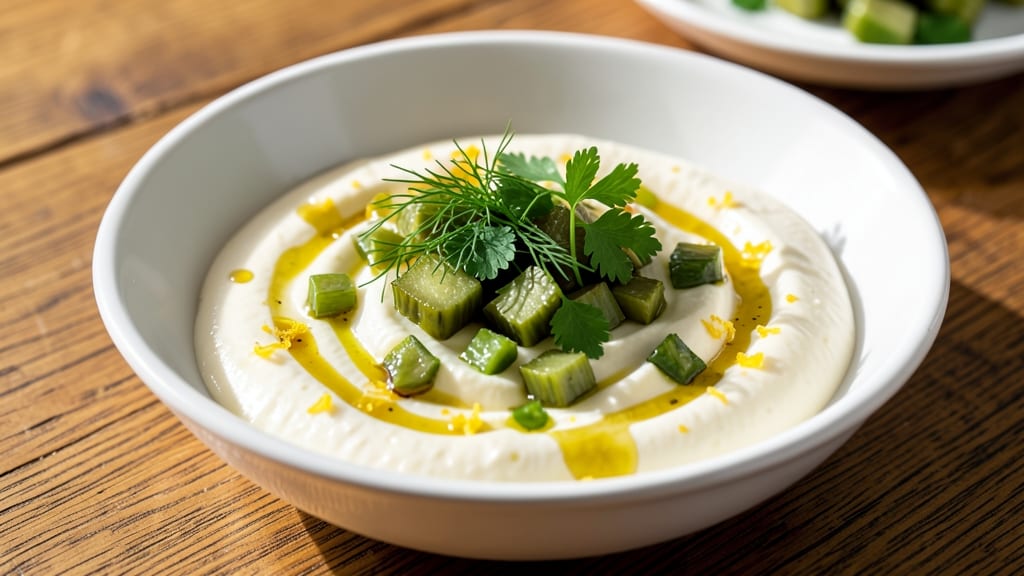
This artichoke cream cheese recipe transforms a simple appetizer into a sophisticated dish that balances tangy, herby, and creamy flavors in every bite.
The secret lies in blending silky cream cheese with artichoke hearts and fresh herbs, creating a dip that's rich yet light—perfect for stuffing pasta shells or serving with crusty bread. I developed this after craving something elegant yet easy, and it became an instant crowd-pleaser at dinner parties.
The foolproof technique ensures a smooth, velvety texture without lumps, thanks to room-temperature cream cheese and careful blending. Fresh herbs like dill and parsley brighten the dish, while lemon zest adds a subtle citrus note that cuts through the richness.
Ready in just 15 minutes, this recipe delivers restaurant-quality results with minimal effort—ideal for vegetarians or anyone who loves artichoke's earthy depth.
What makes this recipe stand out is its versatility—use it as a dip, stuffing for ravioli, or even a spread for toasted baguette slices. The herby twist elevates classic artichoke cream cheese, making it feel special without sacrificing simplicity.
Whether you're hosting or treating yourself, this dish delivers a creamy, herby, and satisfying bite every time.
Pair it with grilled vegetables, crusty bread, or even as a filling for stuffed mushrooms. The key is balancing the flavors: tangy artichokes, creamy cheese, and fresh herbs create harmony in every spoonful. Let's get started—your taste buds will thank you.
Ingredients for artichoke cream cheese
Rich, herby, and velvety—these ingredients create an artichoke cream cheese blend that elevates any appetizer.
| Ingredient | Amount | Notes |
|---|---|---|
| Cream Cheese (Full-Fat) 🧀 | 8 oz | Room temperature for blending |
| Marinated Artichoke Hearts 🌿 | 1 cup | Chopped, drained, brine rinsed |
| Fresh Dill 🌿 | ¼ cup | Chopped, stems removed |
| Fresh Parsley 🌿 | ¼ cup | Chopped, tightly packed |
| Lemon Zest 🍋 | 1 tbsp | From organic lemon |
| Extra-Virgin Olive Oil 🫒 | ¼ cup | High-quality, fruity |
| Plain Greek Yogurt 🥛 | ¼ cup | Full-fat for creaminess |
| Garlic Cloves 🧄 | 2 cloves | Minced, fresh preferred |
| Diamond Crystal Kosher Salt 🧂 | ½ tsp | Fine grain preferred |
| Freshly Ground Black Pepper 🌶️ | ¼ tsp | Coarsely ground |
| Crusty Baguette 🍞 | 1 whole | For serving, sliced |
| Pasta Shells 🍝 | 1 lb | Uncooked, for stuffing |
The cream cheese is non-negotiable here—full-fat Philadelphia or similar ensures that signature velvety texture. Trader Joe's and Whole Foods carry excellent options in block form, which you can grate yourself for the smoothest consistency. Artichoke hearts should be marinated, not water-packed—the brine adds depth. If you can't find marinated, soak water-packed hearts in lemon water for 10 minutes to mimic the flavor. Fresh herbs are essential; dill and parsley from the grocery store's refrigerated section work, but local farmers' markets offer superior quality with more vibrant color and flavor.
No Greek yogurt? Sour cream at half the amount works in a pinch, though it's slightly heavier. Substituting dried herbs? Use one-third the amount of fresh, but the texture won't be as bright. For extra tang, add 1 tsp lemon juice alongside the zest. The olive oil should be extra-virgin—anything less will taste flat. If you're using this as a stuffing, cook the pasta shells al dente first to prevent overcooking when reheated with the filling. For a vegetarian twist, add 1/4 cup finely chopped sun-dried tomatoes to intensify the Mediterranean flavors.
This dip keeps beautifully for 5 days in an airtight container in the fridge, though the herbs may wilt slightly. For longer storage, freeze in ice cube trays—thaw and blend with a splash of water or olive oil to restore texture. The baguette should be toasted to crispness just before serving to maintain freshness. If making ahead for stuffing pasta shells, cook the shells separately and fill just before baking to prevent sogginess. The lemon zest can be prepped up to 2 days ahead and stored in the freezer for convenience.
Why You'll Love This Recipe
- Five-Ingredient Magic: I swear by this combo—just cream cheese, artichokes, herbs, and lemon. No fancy techniques, no last-minute grocery runs. The jarred artichokes save me chopping time, and the lemon zest brightens everything in seconds.
- Weeknight to Party: I make this for lazy dinners (spread on toast, dolloped on crackers) or fancy gatherings (as a dip with crusty bread). Same recipe, totally different vibes. The dill and parsley stay fresh for days, so it’s always ready.
- Leftovers That Don’t Suck: Unlike most dips, this actually tastes better the next day. I double the batch, store it in a jar, and use it for breakfast (on avocado toast) or snacks (with veggies). No waste, all flavor—my kind of efficient.
Step-by-step instructions for artichoke cream cheese dip
This classic herb-infused dip delivers perfect balance—creamy, tangy, and bright with Mediterranean flavors.
Prepare the Artichoke and Herb Base
Drain the 1 cup marinated artichoke hearts thoroughly and pat them completely dry with paper towels. I press them gently between two towels to remove all excess moisture—this prevents a watery dip. Chop the artichokes into ¼-inch pieces using a sharp knife, removing any tough stems or strings. In a small bowl, combine the chopped artichokes with the 0.25 cup chopped fresh dill, 0.25 cup chopped fresh parsley, and 1 tablespoon lemon zest. This herb blend forms the aromatic backbone of the dip.
Mince the 2 cloves garlic finely—just enough to release their flavor without becoming bitter. Add the garlic to the artichoke-herb mixture and toss gently to distribute. Let this combination sit at room temperature for 10 minutes while you prepare the cream cheese base. This resting period allows the flavors to meld slightly and the herbs to soften, ensuring they integrate seamlessly into the final texture.
Blend the Cream Cheese and Yogurt Mixture
In a food processor, combine the 8 oz full-fat cream cheese and 0.25 cup plain Greek yogurt. Process on medium speed until completely smooth—typically 30-45 seconds. The mixture should be homogeneous with no lumps. Here's the thing—using room-temperature cream cheese is critical. If it's too cold, the dip will separate; if too warm, it may melt completely. I let the cream cheese sit at room temperature for 30 minutes before blending to achieve the perfect consistency.
With the processor running, slowly drizzle in the 0.25 cup extra-virgin olive oil through the feed tube. This gradual addition prevents the mixture from becoming greasy. Process for another 30 seconds until the oil is fully incorporated. The result should be a velvety, pale yellow emulsion—this is your base. Taste and adjust seasoning with 0.5 teaspoon Diamond Crystal kosher salt and 0.25 teaspoon freshly ground black pepper as needed. The salt should enhance the artichoke's natural brininess, while the pepper adds a subtle heat that cuts through the richness.
Combine and Adjust for Perfect Texture
Transfer the artichoke-herb mixture to the food processor along with the cream cheese blend. Pulse 3-4 times until just combined—you want to maintain some texture from the artichokes and herbs, not a completely smooth dip. Scrape down the sides of the bowl with a spatula to ensure even blending. At this stage, the dip should be thick but spreadable. If it's too thick, add 1-2 teaspoons of water to loosen it. If too thin, chill the mixture for 10 minutes to thicken naturally.
For a refined finish, I press the mixture through a fine-mesh sieve to remove any remaining herb stems or artichoke strings. This step ensures a silky-smooth texture without compromising flavor. Transfer the dip to a serving bowl and cover with plastic wrap, pressing it directly against the surface to prevent a skin from forming. Refrigerate for at least 1 hour before serving—this allows the flavors to fully develop and the dip to reach its ideal creamy consistency.
Serve with Complementary Components
Slice the 1 whole crusty baguette into ½-inch thick pieces and arrange them on a platter. Toast the bread lightly in a 375°F oven for 5-7 minutes until golden and crisp. The toasted bread provides the perfect textural contrast to the creamy dip. For an elevated presentation, arrange the dip in the center of the platter surrounded by the toasted baguette slices and any remaining artichoke hearts.
For a more substantial dish, cook the 1 lb pasta shells according to package instructions until al dente. Drain and toss with 1 tablespoon olive oil to prevent sticking. Stuff each shell with 1 teaspoon of the artichoke cream cheese mixture and arrange them on a platter alongside the dip. The shells can be served warm or at room temperature, offering a hearty option that still highlights the dip's flavors.
Pro Tips For Making Artichoke Cream Cheese
- Drain and Pat Dry: Marinated artichokes hold way too much brine—skip the quick rinse and instead press them between paper towels for 30 seconds. This keeps the flavor but prevents a watery, diluted dip that tastes more like pickle juice than artichoke.
- Soften Cream Cheese First: Take the cream cheese out of the fridge 10 minutes before mixing. Cold lumps make blending a chore, and you’ll end up with a grainy texture. If you’re in a rush, microwave it for 15 seconds (yes, it’s fine—just don’t overdo it).
- Chop Herbs Coarse: Fine-chopped dill and parsley turn this dip into a sad, muddy paste. Roughly chop them—big enough to see flecks in every bite. It looks rustic, but the texture and freshness pop way more.
- Zest, Don’t Juice: Lemon zest adds bright, aromatic punch without making the dip too wet. Skip the juice unless you’re balancing sourness—extra liquid dilutes the cream cheese’s richness. A microplane works best; your fingers won’t thank you for grating by hand.
Dietary considerations for artichoke cream cheese
Vegetarian-Friendly
This artichoke cream cheese recipe is naturally vegetarian and packed with plant-based protein from the Greek yogurt and artichoke hearts. The full-fat cream cheese provides richness without any animal products beyond dairy, making it suitable for lacto-vegetarians.
For a vegan adaptation, swap the cream cheese for vegan cream cheese (like Kite Hill or Miyoko's) and use coconut yogurt instead of Greek yogurt. The flavor profile remains bright and herby, ensuring a satisfying dish for all dietary preferences. 🌱
Dairy-Free Options
If you're avoiding dairy, cashew cream makes an excellent substitute for cream cheese. Blend 1 cup soaked cashews with 2 tablespoons lemon juice and 3 tablespoons water until smooth, then use it in place of the cream cheese.
For the yogurt component, unsweetened almond yogurt works well, though it may require an extra 1 teaspoon of cornstarch to thicken the mixture. The texture will be slightly lighter but still creamy and delicious. 🥛
Gluten-Free Adaptation
The original recipe is naturally gluten-free, but the serving suggestions can be adjusted to fit dietary needs. Skip the baguette and opt for gluten-free crackers (like Simple Mills or Mary's Gone Crackers) or toasted gluten-free bread.
For stuffed pasta shells, use gluten-free jumbo shells (such as Barilla or De Cecco) to keep the dish safe for those with celiac disease or gluten sensitivity. The artichoke cream cheese filling remains unchanged, ensuring the same rich, herby flavor. 🍞
Low-Carb Swaps
To reduce carbs, replace the baguette with low-carb tortilla chips or cucumber slices for dipping. For stuffed shells, use zucchini noodles (zoodles) or cauliflower shells—simply hollow out a whole cauliflower into shells and fill them with the artichoke cream cheese mixture.
Roast at 375°F for 15-20 minutes until tender. The filling stays the same, delivering the same creamy, herby goodness with fewer carbs. 🥦
Allergen Awareness
This recipe contains dairy (cream cheese, yogurt) and gluten (if using traditional pasta shells or bread). For those with dairy allergies, use the vegan substitutions mentioned earlier. If nuts are a concern, avoid cashew cream and opt for silken tofu blended with lemon juice for a neutral base.
Always check labels on store-bought ingredients like marinated artichokes or pasta shells for hidden allergens. Cross-contamination can also be a risk, so clean surfaces and utensils thoroughly if sharing a kitchen with allergens. 🚨
Nutrition facts
Frequently asked questions
Can I make this artichoke cream cheese recipe without fresh herbs?
Yes, but the flavor will be less vibrant. Use 1 tablespoon dried dill and 1 tablespoon dried parsley instead of fresh, but reduce the amount by about one-third. For extra brightness, add ½ teaspoon lemon juice or ¼ teaspoon onion powder to compensate. Fresh herbs are ideal, but dried works in a pinch!
How do I prevent the dip from being too thick or too thin?
Start by blending the cream cheese and yogurt until completely smooth. If too thick, add 1-2 teaspoons of water or olive oil (1 tsp at a time). If too thin, chill for 10 minutes to thicken naturally. The key is room-temperature cream cheese—never microwave it, or it may curdle.
What’s the best way to store leftovers?
Transfer to an airtight container and refrigerate for up to 5 days. To reheat, microwave in 20-second bursts while stirring until smooth. For freezing, portion into ice cube trays, freeze, then transfer to a bag. Thaw overnight in the fridge before using.
Can I use this filling for other dishes besides dipping?
Stuff it into mini phyllo cups, endive leaves, or toasted pita triangles for appetizers. It also works as a spread for sandwiches or a topping for baked potatoes. For a heartier dish, spread it on toasted baguette slices and broil for 3-5 minutes until bubbly.
Why does my artichoke cream cheese taste bitter?
Bitter flavors usually come from overcooked garlic or using water-packed (not marinated) artichokes. Always use freshly minced garlic and marinated artichokes. If needed, balance bitterness with extra lemon zest or a pinch of sugar. Rinsing artichokes with cold water before chopping also helps remove excess salt.