
Snacks
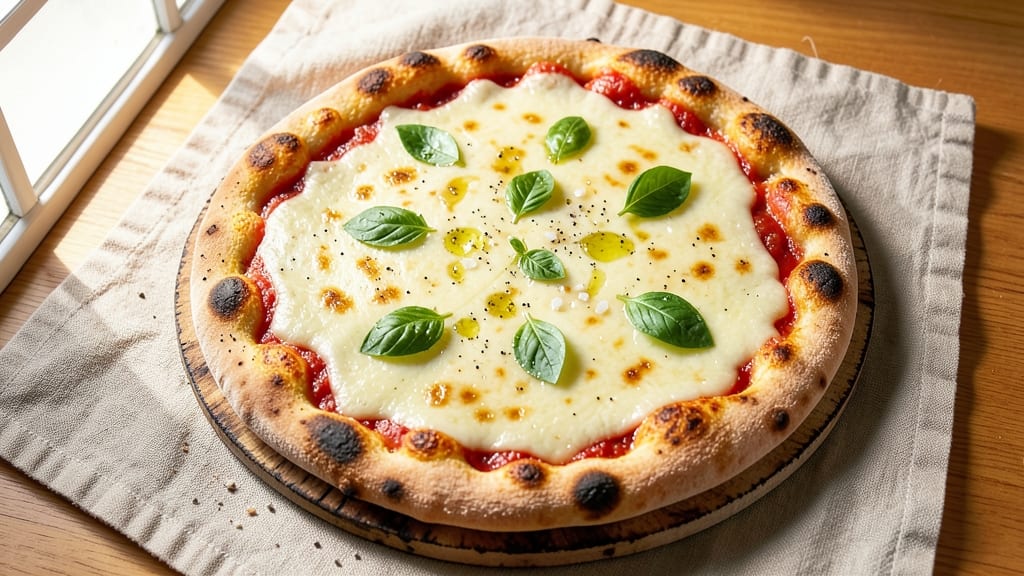
This Asiago cheese pizza recipe delivers a perfect balance of nutty sharpness and crispy crust harmony that transforms ordinary pizza night into a gourmet experience. The key lies in using high-quality Asiago cheese, which melts beautifully while maintaining its distinctive flavor profile—think rich, caramelized notes with a satisfying bite.
I've perfected this method over countless test batches, ensuring every slice has that ideal crispy exterior and tender interior.
The secret to achieving that signature crispy crust starts with proper dough preparation—mixing, resting, and shaping techniques that create the perfect foundation. Asiago cheese takes center stage here, but I've included complementary toppings like caramelized onions and fresh basil to enhance the dish without overpowering its star ingredient.
This recipe is designed to be both impressive and approachable, making it perfect for home cooks looking to elevate their pizza game.
What you'll end up with is a pizza that's crispy at the edges yet still tender enough to fold, topped with a golden blanket of melted Asiago cheese that's rich, nutty, and slightly sharp.
The aroma alone will have everyone gathering around the table, and each bite delivers that perfect harmony of textures and flavors. This is the kind of pizza that makes you feel like you've just stepped into an Italian trattoria.
Whether you're serving this as a weeknight dinner or hosting a casual gathering, this Asiago cheese pizza will be the star of the show. The recipe scales beautifully, so you can easily adjust the size to feed a crowd or just enjoy a personal-sized masterpiece.
Let's get started on creating this showstopping dish that combines the best of Italian tradition with your own culinary creativity.
Ingredients for asiago cheese pizza
High-quality ingredients transform ordinary pizza into a gourmet experience with nutty Asiago cheese and crispy crust harmony.
| Ingredient | Amount | Notes |
|---|---|---|
| High-Quality All-Purpose Flour 🌾 | 3 ½ cups | Bread flour for extra crispiness |
| Active Dry Yeast 🍞 | ¼ tsp | Instant yeast works too |
| Granulated Sugar 🍚 | 1 tbsp | Feeds the yeast |
| Warm Water 💧 | 1 cup | 105-110°F for activation |
| Extra-Virgin Olive Oil 🫒 | 1 tbsp | Plus extra for dough |
| Salt 🧂 | 1 ½ tsp | Diamond Crystal preferred |
| Shredded Asiago Cheese 🧀 | 2 cups | Freshly grated from block |
| Caramelized Onions 🧅 | ½ cup | Homemade or store-bought |
| Fresh Basil Leaves 🌿 | ¼ cup | Chopped for garnish |
| San Marzano Crushed Tomatoes 🍅 | ½ cup | High-quality canned tomatoes |
| Garlic Cloves 🧄 | 2 cloves | Minced for sauce |
| Pizza Sauce 🍅 | ½ cup | Store-bought or homemade |
| Cornmeal 🌽 | ¼ cup | For dusting pizza peel |
The Asiago cheese is non-negotiable here—freshly grated from a block makes all the difference. Skip the pre-shredded stuff (it's coated with anti-caking agents that prevent proper melting). For the best flavor, grab Whole Foods or specialty cheese shops for imported Asiago. The flour is key too: bread flour gives that perfect crispy crust, but all-purpose works in a pinch. Caramelized onions? Worth the 15 minutes—they add sweet depth that complements the sharp Asiago beautifully. If you're short on time, store-bought works, but homemade is where the magic happens.
No San Marzano tomatoes? Any high-quality canned tomatoes will do—just drain them well. Fresh basil wilting? Dried oregano at half the amount keeps the Italian vibe. The yeast needs to be active dry or instant, but if yours isn't fresh, test it in warm water with a pinch of sugar—it should foam in 5-10 minutes. No cornmeal for dusting? Semolina or extra flour works too. The dough gets sticky—don't fight it. Wet your hands slightly when shaping for that perfect stretch. And if you're feeling fancy, add a sprinkle of freshly cracked black pepper on top before baking for a little kick.
Dough keeps best in the fridge for 24 hours—it actually develops more flavor overnight. Shape it into a ball, seal with plastic wrap, and let it rest. The Asiago cheese? Freeze any extra shredded cheese in an airtight container for up to 6 months. Basil wilts fast, so store it stem-down in a glass with water (like flowers) for up to a week. The caramelized onions can be made ahead and stored in the fridge for 5 days—just reheat gently before using. Leftovers? Pizza reheats best in a 400°F oven for 5-7 minutes—just cover with foil to avoid over-browning.
Why You'll Love This Recipe
- No-Knead Magic: I swear by this dough—just mix the flour, yeast, sugar, and warm water, let it sit while you make coffee. That’s it. No rolling, no stress, just a perfect chewy crust by dinner.
- Melty Perfection: Asiago isn’t just cheese—it’s the cheese. When it stretches and bubbles under the broiler, you’ll get that golden crust with creamy, gooey pockets. Honestly, it’s the kind of bite that makes you pause mid-slice.
- Weeknight Workhorse: This pizza is my go-to for lazy nights, potlucks, or when friends drop by unannounced. Toss in whatever’s in the fridge—roasted veggies, charred sausage, or just a drizzle of olive oil—and it’s still a win.
- Budget-Friendly Luxury: A single dough batch stretches for two pizzas, and asiago stretches further than most cheeses. Leftovers? Reheat them for breakfast toast—trust me, it’s a game-changer. Plus, you’re using pantry basics, not gourmet markup.
Step-by-step instructions for Asiago cheese pizza with crispy crust
Here's how to craft a pizza with a perfectly crispy crust and nutty Asiago cheese that melts into golden perfection.
Activate the Yeast and Mix the Dough
In a large mixing bowl, combine the 1 cup warm water (between 105-110°F—use a thermometer if unsure) with the 1 tbsp granulated sugar and 0.25 tsp active dry yeast. Let it sit for 5-10 minutes until frothy—you'll see bubbles forming on the surface. This confirms your yeast is alive and ready to work.
Once frothy, add the 3.5 cups high-quality all-purpose flour and 1.5 tsp salt. Stir with a wooden spoon until a shaggy dough forms. Then drizzle in the 1 tbsp extra-virgin olive oil and mix until the dough comes together. If it's too sticky, add 1-2 tablespoons more flour until it pulls away from the bowl but remains slightly tacky. This dough should be soft but manageable—like a well-behaved puppy, not a wild beast.
Knead and Rest the Dough for Maximum Flavor
Turn the dough onto a lightly floured surface and knead for 8-10 minutes until smooth and elastic. I like to use the "windowpane test" to check readiness—stretch a small piece of dough thin enough to see light through it without tearing. This develops gluten, which gives your pizza that perfect chewy yet crispy texture.
Place the dough in a lightly oiled bowl, cover with a damp towel, and let it rise in a warm spot for 1-2 hours until doubled in size. The kitchen counter near the oven works great—just avoid drafts. This resting period lets the yeast do its magic, creating air pockets that make your crust light and airy. Don't skip this step—patience here means crispy perfection later.
Prep the Sauce and Preheat the Oven
While the dough rises, make a simple sauce by combining the 0.5 cup pizza sauce with the 2 minced garlic cloves and 0.5 cup San Marzano crushed tomatoes. Simmer this mixture in a small saucepan over low heat for 5 minutes to let the flavors meld. Keep it smooth—no need to chop anything further.
Preheat your oven to its highest setting (500°F or higher if your oven goes that hot). Place a pizza stone or inverted baking sheet on the middle rack to heat through. This intense heat is what gives your crust that beautiful, crispy texture. If you don't have a stone, a heavy baking sheet works too—just make sure it's preheated for at least 30 minutes.
Shape and Assemble the Pizza
Punch down the risen dough to release air, then divide it into two equal balls (about 1.75 cups dough each). On a lightly floured surface, roll each ball into a 12-inch circle, about ¼-inch thick. I like to use my hands for this—it gives me better control over the thickness. If the dough sticks, wet your fingers slightly to prevent tearing.
Transfer one dough circle to a piece of parchment paper. Spread ¼ cup of the sauce evenly over the dough, leaving a ½-inch border for the crust. Sprinkle 1 cup of the shredded Asiago cheese (save the rest for topping) and ¼ cup of the caramelized onions over the sauce. The cheese should melt beautifully, creating that signature stretchy, gooey texture we all love.
Bake to Crispy Perfection
Carefully slide the parchment paper with the pizza onto the preheated pizza stone or baking sheet. Bake for 10-12 minutes until the crust is golden brown and the cheese is bubbling. You'll see the edges start to crisp up—that's your signal to check for doneness. The cheese should be melted but not browned.
Remove the pizza from the oven and let it cool for 2 minutes. Then, sprinkle the remaining 1 cup Asiago cheese and 0.25 cup chopped fresh basil leaves over the top. The basil adds a bright, fresh contrast to the rich, nutty cheese. Serve immediately while the crust is still crispy—this pizza doesn't wait! For extra crunch, dust the crust with cornmeal right before serving.
Pro Tips For Making Asiago Cheese Pizza
- Measure Yeast by Weight: That tiny packet of yeast? It’s not exact. Use a kitchen scale for 7 grams instead of eyeballing it—especially when your kitchen’s humidity makes flour behave like a liar. I learned this the hard way when my dough rose unevenly twice in a row.
- Dissolve Sugar First: Mix the granulated sugar into the warm water before adding yeast. This prevents clumps that can starve your yeast and leave you with a sluggish, underproofed dough. (Yes, even if you’re impatient like me.)
- Stretch, Don’t Roll: Skip the rolling pin—it flattens gluten and kills that chewy crust you’re paying for. Instead, gently stretch the dough from the center outward, like you’re tucking in a toddler. It’s messy, but the texture makes a real difference.
- Oil the Crust Edge: Brush the outer rim of your dough with a thin layer of extra-virgin olive oil before baking. This creates a crisp barrier that keeps the asiago from seeping into the crust and turning it soggy. (Your future self will thank you.)
Troubleshooting great asiago cheese pizza
Cheese Not Melting Properly
If your Asiago cheese isn't melting into that perfect stretchy blanket, it's likely because the pizza wasn't hot enough when it came out of the oven. Preheat your oven to 500°F and use a pizza stone or heavy baking sheet—this ensures even heat distribution.
Also, make sure your cheese is freshly grated from a block, not pre-shredded (the anti-caking agents prevent proper melting). For extra insurance, sprinkle the cheese in layers: first after baking, then right before serving while the pizza is still warm. 🔥
Dough Too Dense or Chewy
Over-kneading or skipping the rest time can lead to a dense, chewy crust. Knead for only 8-10 minutes until smooth, then let the dough rise for 1-2 hours until doubled in size. If your dough feels too stiff, add a splash of warm water while kneading.
For a lighter texture, try using bread flour instead of all-purpose, or let the dough rest in the fridge overnight for deeper flavor development. The windowpane test is your friend—stretch a small piece until it's translucent without tearing.
Sauce Too Watery or Thin
A watery sauce can make your pizza soggy. Simmer your sauce for 5-10 minutes to reduce moisture before spreading it on the dough. If using canned tomatoes, drain them well and pat dry with a paper towel.
For a thicker sauce, add 1 tsp cornstarch mixed with 1 tbsp water and stir it in during simmering. Also, avoid overloading the pizza with toppings—Asiago cheese is rich enough to stand alone, so keep it simple with just ½ cup sauce per pizza.
Crust Not Crispy Enough
For a crispy crust, preheat your oven and pizza stone for at least 30 minutes before baking. Roll your dough to an even ¼-inch thickness and stretch it slightly by hand to create a thinner edge.
If your crust is still soft after baking, try baking it for 1-2 extra minutes on the top rack for a final crisp. For next-level crispiness, brush the edges with olive oil before baking—this creates a golden, crunchy border. 🌟
Pizza Sticking to Parchment
If your pizza sticks to the parchment paper, it's usually because the dough wasn't rolled evenly or the parchment wasn't properly dusted. Lightly flour your work surface and parchment paper before transferring the dough. For extra insurance, sprinkle cornmeal or semolina on the parchment before placing the dough.
If you're using a pizza peel, make sure it's well-seasoned or lightly oiled to prevent sticking. Always slide the pizza onto the peel or stone quickly and confidently—hesitation leads to sticking!
Nutrition facts
Frequently asked questions
Can I substitute Asiago cheese with another cheese?
While Asiago is the star here, you can substitute with Parmigiano-Reggiano for a similar sharp, nutty flavor or Fontina for a creamier melt. For best results, use a mix of Asiago and mozzarella (50/50) if you can't find Asiago—it helps with both flavor and melt. Avoid pre-shredded cheeses, as they contain anti-caking agents that prevent proper melting.
How do I make this pizza without a pizza stone?
No stone? No problem! Use a heavy baking sheet or cast-iron skillet instead. Preheat it for 30 minutes on the middle rack, then slide your pizza directly onto it. For extra crispiness, bake on the top rack for the last 2 minutes of cooking. A well-seasoned cast-iron skillet also adds a delicious smoky flavor to the crust.
Can I make this pizza ahead of time?
Prepare the dough up to 24 hours ahead and let it rest in the fridge for deeper flavor. Assemble the pizza (without baking) and refrigerate for up to 4 hours. When ready to bake, let it sit at room temperature for 30 minutes before baking as directed. For leftovers, reheat slices in a 400°F oven for 5-7 minutes to restore crispiness.
What are some great toppings to pair with Asiago?
Asiago's nutty sharpness pairs beautifully with caramelized onions, roasted mushrooms, or crispy prosciutto. For a lighter option, try sun-dried tomatoes and arugula after baking. Avoid overly sweet toppings like pineapple—they clash with Asiago's rich flavor. The key is to complement, not compete, with the cheese's bold personality.
Why does my Asiago cheese pizza taste bland?
Bland flavor usually comes from weak ingredients or insufficient seasoning. Always use freshly grated Asiago (not pre-shredded) and high-quality pizza sauce. Boost flavor by adding fresh herbs like basil or oregano, a pinch of red pepper flakes, or a sprinkle of freshly cracked black pepper before baking. Also, make sure your oven is fully preheated—proper heat brings out all the flavors.