
Breakfast & Brunch
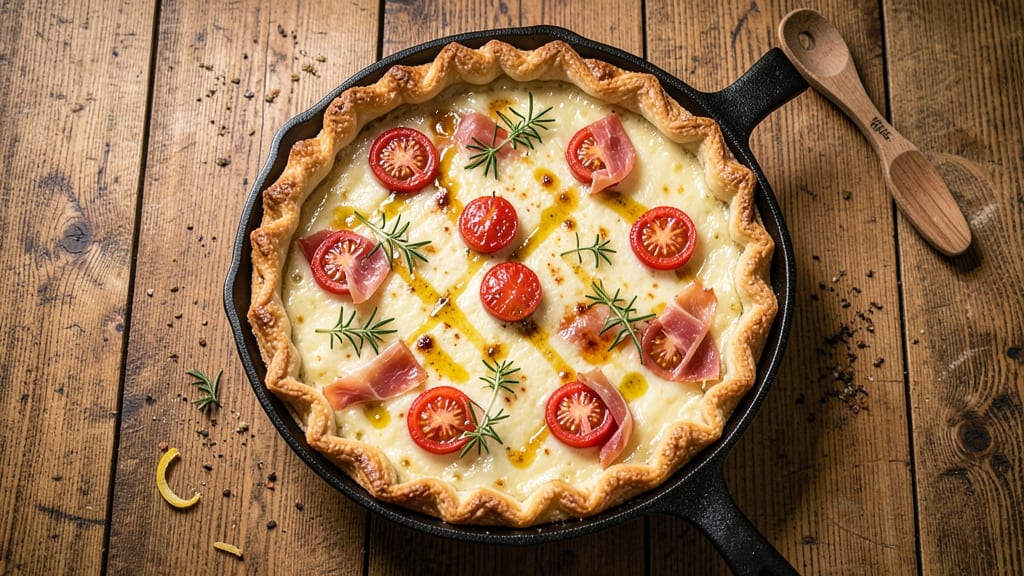
This Asiago cheese quiche recipe delivers a golden, flaky crust filled with a nutty, melted center that becomes the star of any brunch table.
The secret lies in using aged Asiago cheese for its rich, caramelized depth—it transforms the custard into something luxurious, while a buttery crust ensures every bite is perfectly balanced.
I developed this recipe after years of testing, and it never fails to impress, whether served for a weekend breakfast or a light lunch.
The beauty of this quiche is its foolproof technique—whether you use a store-bought crust or make one from scratch, the filling comes together in 15 minutes with just a handful of ingredients. Eggs provide structure, while the Asiago melts into a velvety, gooey center that holds its shape beautifully.
For extra depth, I recommend adding sautéed mushrooms or wilted spinach, but the cheese alone makes this dish unforgettable.
What you’ll end up with is a restaurant-quality quiche that’s crisp on the edges, creamy in the middle, and packed with that unmistakable Asiago flavor—nutty, slightly sweet, and utterly satisfying. The crust stays flaky and golden, while the custard holds its form without becoming rubbery.
It’s the kind of dish that makes you feel like you’ve mastered baking, even if you’re just starting out.
For those who prefer a non-vegetarian twist, crispy bacon pairs beautifully with the Asiago, but the vegetarian version stands strong on its own. Serve it warm with a simple salad or crusty bread, and you’ll have a brunch centerpiece that’s sure to disappear quickly.
Here’s how to make it perfect every time.
Ingredients for asiago cheese quiche
Aged Asiago, buttery crust, and velvety custard—just six ingredients make this quiche unforgettable.
| Ingredient | Amount | Notes |
|---|---|---|
| Unsalted Butter 🧈 | 1 cup | Cold, cubed for crust |
| All-Purpose Flour 🌾 | 1 ½ cups | Plus 2 tbsp for dusting |
| Ice Water 💧 | ½ cup | Chilled for crust |
| Large Eggs 🥚 | 4 whole | Room temperature |
| Heavy Cream 🥛 | 1 cup | Full-fat for richness |
| Whole Milk 🥛 | ¼ cup | Warmed slightly |
| Shredded Asiago Cheese 🧀 | 2 cups | Aged, freshly grated |
| Salt 🧂 | 1 tsp | Diamond Crystal preferred |
| Black Pepper 🌶️ | ½ tsp | Freshly cracked |
| Nutmeg 🌿 | ¼ tsp | Freshly grated |
| Fresh Chives 🌿 | ¼ cup | Chopped, for garnish |
| Optional Sautéed Mushrooms 🍄 | 1 cup | Sliced cremini, cooked |
The Asiago is non-negotiable here. Look for aged wheels (at least 12 months) at specialty cheese shops or the deli counter at Whole Foods—their selection is consistently top-notch. Freshly grating it makes all the difference; pre-shredded gets clumpy. For the crust, European-style butter like Plugrá or Land O'Lakes has higher fat content, which translates to flakier layers. If you're short on time, Pepperidge Farm crust works in a pinch, but homemade delivers that golden, crisp edge. Pro tip: Chill your butter for at least 30 minutes before cutting it into cubes—this ensures proper flakiness.
No heavy cream? Full-fat Greek yogurt thinned with milk works in a bind, though texture will differ slightly. Short on Asiago? Parmigiano-Reggiano at half the amount adds depth, but loses that nutty sweetness. The mushrooms? Baby bella or cremini are ideal—sauté them until golden and drain well to avoid a soggy crust. For extra richness, whisk your eggs with a pinch of cream cheese (just 1 tbsp). And if you're feeling adventurous, swap the chives for fresh tarragon or thyme—both pair beautifully with Asiago. The nutmeg is subtle but essential; if you're missing it, a dash of cinnamon can mimic its warmth.
This quiche holds up beautifully—reheats in 10 minutes at 350°F to restore that golden crust. Store leftovers in an airtight container for 4 days in the fridge, or freeze portions for 3 months. For make-ahead magic, assemble the quiche (without baking) up to 24 hours ahead—just refrigerate the unbaked pie until ready to bake. The crust stays fresh longer if you wrap it tightly in parchment paper before sealing the container. And if you're serving a crowd? Double the recipe—this scales perfectly for 12 servings with just a few adjustments.
Why You'll Love This Recipe
- I’ll be real: the crust is my favorite part. Cold butter and flour tossed with ice water? That’s all it takes—no rolling pins, no stress. Even my teenage nephew can handle it.
- No-Fuss Dough: I’ll be real: the crust is my favorite part. Cold butter and flour tossed with ice water? That’s all it takes—no rolling pins, no stress. Even my teenage nephew can handle it.
- Melty Magic: That first bite of creamy asiago pulling apart? It’s like a hug for your taste buds. The heavy cream and eggs make it rich, but the asiago adds that sharp, salty punch that keeps it interesting.
- Weeknight Hero: I make this when I’m too tired for dinner. Slice it up, pack it in containers, and boom—breakfast for lunch, lunch for dinner. (Yes, even on a Tuesday night.)
Step-by-step instructions for Asiago cheese quiche
Here's how to craft a quiche with a buttery, flaky crust and a rich, nutty Asiago filling that melts perfectly.
Prepare the Perfect Crust
In a large bowl, cut the 1 cup unsalted butter into small cubes and place in the freezer for 10 minutes to firm up slightly. Add the 1.5 cups all-purpose flour and 1 teaspoon salt, then pulse in a food processor until the mixture resembles coarse crumbs with pea-sized butter pieces.
Drizzle in the ½ cup ice water, 1 tablespoon at a time, pulsing after each addition until the dough just comes together. Avoid overmixing—it should hold when pressed but still be slightly crumbly. Shape into a disk, wrap in plastic, and chill for at least 1 hour (or up to 24 hours). This resting time is crucial for a flaky texture.
Roll and Blind-Bake the Crust
Preheat your oven to 375°F. On a lightly floured surface, roll the chilled dough into a 9-inch circle, about ⅛-inch thick. Transfer to a 9-inch pie dish, gently pressing it into the edges. Trim any excess dough and crimp the edges with a fork. Prick the bottom all over with a fork to prevent puffing.
For blind baking, line the crust with parchment paper, fill it with pie weights or dried beans, and bake for 15 minutes. Remove the weights and bake for another 5-7 minutes until the edges are light golden brown. The crust should be set but not fully cooked—it'll finish baking with the filling.
Whisk the Filling Ingredients
In a medium bowl, whisk together the 4 whole large eggs, 1 cup heavy cream, and ¼ cup whole milk until just combined. Add the 2 cups shredded Asiago cheese, ½ teaspoon black pepper, ¼ teaspoon nutmeg, and 1 teaspoon salt, whisking until the cheese is fully melted and the mixture is smooth. This step ensures the cheese distributes evenly and creates a silky texture.
If using the 1 cup sautéed mushrooms, let them cool slightly and fold them into the egg mixture. The mushrooms should be warm but not steaming hot to avoid scrambling the eggs. The filling should be thick but pourable—if it looks too stiff, whisk in 1 tablespoon of milk to loosen it.
Assemble and Bake to Golden Perfection
Pour the filling into the pre-baked crust, spreading it evenly with a spatula. Sprinkle the ¼ cup chopped fresh chives evenly over the top for color and freshness. Bake at 375°F for 35-40 minutes until the center is just set and the edges are deep golden brown. The center should still have a slight wobble—it'll firm up as it cools.
Here's the thing—don't overbake. The quiche continues cooking as it rests, and an overbaked quiche turns dry. When a knife inserted near the center comes out clean but with a slight resistance, it's done. Let the quiche cool for 10 minutes before slicing to allow the filling to set completely.
Serve Warm for Maximum Flavor
Slice the quiche into 6 equal wedges and serve warm. The crust should be crisp and flaky, while the filling remains creamy with pockets of melted Asiago. The nutmeg adds a subtle warmth that complements the rich cheese, and the chives provide a bright, fresh contrast. Pair with a simple arugula salad or crusty bread to soak up every last bit of that nutty, cheesy goodness.
Pro Tips For Making Asiago Cheese Quiche
- Pre-chill the crust: Pop that pie crust into the fridge for at least 30 minutes before baking—even if it’s store-bought. I learned this after my first attempt where the crust puffed up like a sad soufflé instead of staying sturdy. Cold butter in the crust means it holds shape, and your quiche won’t turn into a cheese-filled puddle.
- Cut butter into flour aggressively: Use a pastry cutter or your fingers to work the cold unsalted butter into the flour until the mixture looks like coarse sand, not pebbles. My grandmother swore by this, and she was right: if it’s too clumpy, your crust will taste greasy, not flaky. Aim for pea-sized bits, no bigger.
- Whisk eggs and cream properly: Beat those large eggs and heavy cream together until the yolks and whites are fully blended—no streaks—and the mixture is smooth. I used to skip this, and the quiche would set unevenly, with some parts rubbery and others still runny. A quick whisk (or immersion blender) guarantees a silky texture that bakes evenly.
- Bake at 375°F, not higher: Resist the urge to crank the oven to 400°F—this quiche needs gentle heat to set without curdling. At 375°F, the asiago melts smoothly and the custard firms up just right. I burned the top of my first batch by going too hot, and the cheese turned grainy. Patience here makes all the difference.
Flavor customization for this dish
Nutty Cheese Variations
Swap the Asiago for Parmigiano-Reggiano (use 1.5 cups) for a sharper, more intense flavor that still melts beautifully. I’ve also had great success with Gruyère—its fruity notes pair wonderfully with the custard.
For a sweeter twist, try Pecorino Romano, though it’s saltier, so reduce the added salt to ½ teaspoon.
Herb & Spice Boosts
Add 1 teaspoon dried thyme or 1 tablespoon fresh thyme leaves to the filling for an earthy depth. A pinch of smoked paprika (just ¼ teaspoon) adds warmth without overpowering the Asiago.
For a brighter finish, fold in 2 tablespoons chopped parsley instead of chives—it’s a fresher, slightly sweeter alternative.
Vegetable Add-Ins
Sautéed spinach (wilted and drained) adds a vibrant green contrast. For heartiness, try diced zucchini or butternut squash—roast them first to concentrate their sweetness. I love adding caramelized onions (about ½ cup) for a touch of sweetness that balances the cheese’s richness.
Protein Twists
For a vegetarian-friendly boost, fold in ½ cup cooked quinoa or diced roasted sweet potatoes. If you’re open to non-vegetarian, crispy crumbled bacon (about ½ cup) or diced ham (about ½ cup) adds a smoky, salty contrast.
Just cook the meat separately and drain well to avoid a soggy crust.
Sweet & Savory Fusion
Add ¼ cup diced apple or pears (tossed in lemon juice) for a surprising sweet-tangy balance. A sprinkle of crushed pine nuts (about 2 tablespoons) on top before baking adds a toasty crunch.
For a decadent touch, stir in 1 ounce melted white chocolate (about 2 squares) into the custard—it melts into silky ribbons.
Nutrition facts
Frequently asked questions
Can I make this quiche without a homemade crust?
For convenience, use a 9-inch pre-made pie crust like Pepperidge Farm or a frozen puff pastry. Press it into your dish, prick the bottom, and blind-bake it for 10 minutes at 375°F before adding the filling. The key is to pre-bake to prevent a soggy bottom—just watch the edges for golden brown color. Pro tip: Brush the crust with 1 tablespoon melted butter before baking for extra crispiness.
Why does my quiche filling get watery?
Watery filling usually means the eggs weren't fully incorporated or the cheese wasn't melted enough. First, make sure your eggs are room temperature—they blend better. Second, whisk the cheese into the egg mixture until completely smooth, then let it sit for 5 minutes to thicken slightly. If it's still too runny, bake it 5 minutes longer at a slightly lower temp (350°F) to avoid overcooking the crust.
How do I store leftovers to keep them fresh?
Let the quiche cool completely, then wrap it tightly in plastic wrap or an airtight container. Store in the fridge for up to 4 days. For longer storage, freeze individual slices wrapped in parchment paper for 3 months. To reheat, cover with foil and warm at 350°F for 10-15 minutes—this restores the crust's crispness without drying out the filling. Never reheat straight from the fridge without warming first!
Can I make this quiche ahead of time?
Yes! Assemble the quiche (with unbaked crust and filling) up to 24 hours ahead and refrigerate it. When ready to bake, remove it from the fridge 30 minutes before baking to let it come to room temperature. This prevents cracking during baking. For make-ahead freezing, bake the quiche first, then freeze it in slices—just reheat before serving. Perfect for brunch prep!
What's the secret to getting that perfect golden crust?
The golden crust comes from three things: cold butter in the dough, blind-baking the crust, and egg wash. Brush the pre-baked crust with 1 beaten egg before adding filling, then bake until edges are deep golden brown. For extra shine, sprinkle 1 tablespoon coarse sugar on the crust before baking—it caramelizes beautifully. Just don't overbake, or the crust will turn tough!