
Salads
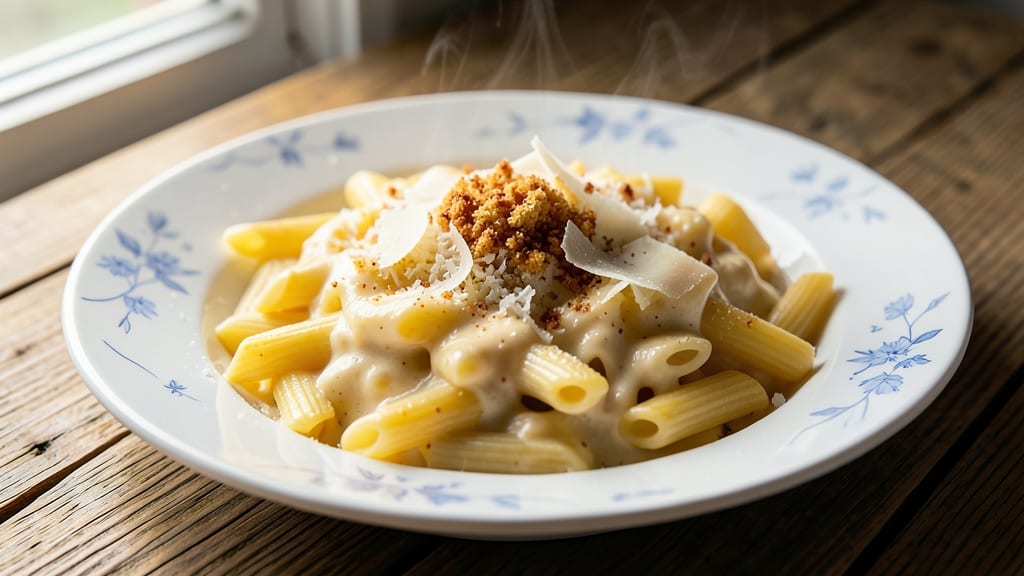
This authentic Italian macaroni and cheese recipe transforms humble pasta into a dish worthy of a Roman trattoria. 🌟 The secret lies in slow-cooked béchamel and aged Pecorino Romano, creating a sauce that's rich yet balanced, with a crispy cheese crust that's impossible to resist.
Unlike its American counterpart, this version relies on Italian techniques—al dente pasta, proper cheese tempering, and regional flavors that elevate every bite.
What sets this recipe apart is the focus on authenticity without sacrificing simplicity. We'll use a classic béchamel base, enriched with nutty Pecorino and Parmigiano-Reggiano, then finish with a golden cheese crust that adds texture and depth.
The result is a dish that's creamy yet not overly heavy, with the perfect harmony of Italian cheeses that shine through. This is mac and cheese as it should be—elegant, flavorful, and deeply satisfying.
The process starts with cooking pasta al dente, reserving some starchy water to create the ideal sauce consistency. The cheese is tempered gradually to prevent curdling, ensuring a velvety texture that coats every strand of pasta.
By the time you're done, you'll have a dish that's restaurant-quality at home, with that signature crispy cheese crust that makes it irresistible. It's the kind of meal that feels special without requiring hours in the kitchen.
Perfect for weeknight dinners or special occasions, this Italian macaroni and cheese pairs beautifully with a simple green salad or grilled vegetables. The flavors are rich enough to stand alone but versatile enough to complement other dishes. Let's get started on creating your own authentic Italian masterpiece.
Ingredients for authentic italian macaroni and cheese
Pasta, creamy béchamel, and nutty Italian cheeses—this is the holy trinity of authentic Roman comfort.
| Ingredient | Amount | Notes |
|---|---|---|
| Short Pasta (e.g., Penne or Rigatoni) 🍝 | ½ lb | Al dente texture preferred |
| Unsalted Butter 🧈 | ½ cup | Cold, cubed for béchamel |
| All-Purpose Flour 🌾 | ½ cup | For roux, sifted if lumpy |
| Whole Milk 🥛 | 2 cups | Full-fat for creaminess |
| Pecorino Romano Cheese 🧀 | 1 cup | Freshly grated, aged |
| Parmigiano-Reggiano Cheese 🧀 | ½ cup | Freshly grated, fine |
| Garlic Cloves 🧄 | 2 cloves | Minced for béchamel |
| Nutmeg 🌿 | ¼ tsp | Freshly grated for warmth |
| Salt 🧂 | 1 ½ tsp | Kosher or sea salt |
| Black Pepper 🌶️ | ½ tsp | Freshly ground preferred |
| Extra-Virgin Olive Oil 🫒 | 2 tbsp | For crispy cheese crust |
| Freshly Baked Breadcrumbs 🍞 | ¼ cup | Toasted for texture |
The cheeses are non-negotiable here. Pecorino Romano brings that sharp, salty bite, while Parmigiano-Reggiano adds depth. Grab a wedge of each from Whole Foods or your local Italian market—pre-grated won’t cut it. For the pasta, penne or rigatoni works best; the ridges hold the sauce. If you're feeling fancy, cook it in pasta water with a splash of olive oil—it’ll taste even better. The butter? European-style if you can find it—higher fat content means a richer sauce.
No Pecorino? Asiago or Grana Padano will work in a pinch, but the flavor won’t be quite the same. Short on Parmigiano? Parmigiano-Reggiano substitutes like Kraft Parmesan are fine for everyday use, but for this dish, real cheese is worth the splurge. The breadcrumbs can be regular or panko—just toast them first for extra crunch. And if you’re out of nutmeg, a pinch of cinnamon adds warmth, though it’s not traditional. The olive oil? Use the good stuff—none of that cheap cooking oil nonsense.
This sauce gets better the next day, so make extra if you can. Store it in an airtight container in the fridge for up to 3 days, or freeze for 1 month. To reheat, warm gently on the stove with a splash of milk—never microwave, or you’ll lose that velvety texture. The breadcrumbs for the crispy top? Toast them fresh before serving, or they’ll get soggy. And if you’re serving this at a dinner party, garnish with extra grated cheese right before serving—it’s the move that makes it look restaurant-worthy.
Why You'll Love This Recipe
- Five-Ingredient Magic: I swear by this—just butter, flour, milk, Pecorino, and pasta. No fancy gadgets, no last-minute grocery runs. The roux builds itself while I toss the pasta, and the cheese? It melts into something richer than takeout.
- Pecorino Powerhouse: That sharp, salty Pecorino cuts through the creaminess like a perfect balance. I’ll be real: it’s not your sweet, powdery American cheese—it’s got character, and every bite reminds me why I fell for Italian comfort food.
- Weeknight & Potluck Star: Make a double batch on Sunday, and you’ve got lunch for three days. Or bring it to a picnic—it travels well, reheats beautifully, and even my picky uncle asks for seconds. (Yes, even on a Tuesday night.)
- Budget That Works: A block of Pecorino and a bag of penne stretch farther than you’d think. I’ve fed four people for under $10, and honestly? They’d never guess it was this cheap. The butter and flour are the only splurges, and they’re worth it.
Step-by-step instructions for al dente pasta with nutty Pecorino crisp
Here's how to make this Italian-inspired dish with perfect texture and rich flavor.
🍳 Step 1: Cook the Pasta to Al Dente Perfection
Bring a large pot of water to a rolling boil and add the 1.5 teaspoons salt—it should taste like the sea. Add the 0.5 lb short pasta and cook until 1 minute before the package's al dente time. This ensures it finishes cooking in the cheese sauce without becoming mushy.
Before draining, reserve 1 cup of pasta water. This starchy liquid is essential for creating a silky sauce. Drain the pasta and immediately toss it with 2 tablespoons extra-virgin olive oil to prevent sticking. Here's the thing—don't rinse the pasta, even if it seems dry. The starch helps the cheese sauce cling beautifully.
👨🍳 Step 2: Make the Garlic-Infused Béchamel Sauce
In a large skillet, melt the 0.5 cup unsalted butter over medium heat. Add the 2 minced garlic cloves and cook for 30 seconds until fragrant—don't let them brown or they'll turn bitter. Whisk in the 0.5 cup all-purpose flour and cook for 1-2 minutes until the mixture forms a smooth paste and smells nutty.
Slowly pour in the 2 cups whole milk while whisking constantly to prevent lumps. Add the 1 cup freshly grated Pecorino Romano and 0.5 cup freshly grated Parmigiano-Reggiano along with the 0.25 teaspoon freshly grated nutmeg and 0.5 teaspoon black pepper. Simmer for 5-7 minutes until the sauce thickens enough to coat the back of a spoon.
🥘 Step 3: Combine Pasta and Sauce for Creamy Perfection
Add the cooked pasta to the skillet with the cheese sauce and toss gently to coat evenly. If the sauce starts to thicken too much, add some of the reserved pasta water 1 tablespoon at a time until you reach a creamy consistency. The sauce should cling to the pasta without being too runny.
Here's the moment that matters: taste and adjust seasoning. You might need a bit more salt or pepper. The sauce should be rich, nutty, and perfectly balanced. If it's too thick, add more pasta water. If it's too thin, simmer uncovered for another minute to reduce slightly. The goal is a sauce that coats the pasta beautifully.
🔥 Step 4: Create the Crispy Pecorino Topping
Transfer the pasta mixture to a shallow baking dish. In a small bowl, mix the 0.25 cup freshly baked breadcrumbs with 1 tablespoon extra-virgin olive oil and 1 teaspoon salt. Sprinkle this mixture evenly over the top of the pasta, pressing down gently with the back of a spoon.
Broil on high heat for 2-3 minutes until the breadcrumbs turn golden brown and crispy. Watch it closely—it can go from perfect to burnt in seconds. The crispy topping adds a delightful textural contrast to the creamy pasta underneath.
🍽️ Step 5: Rest and Serve with Authentic Italian Flair
Let the pasta rest for 5 minutes before serving. This allows the flavors to meld together and the sauce to set slightly, making it easier to serve without a messy slide. The crispy topping will soften a bit but maintain its texture.
Serve immediately with a sprinkle of freshly cracked black pepper. The combination of al dente pasta, rich cheese sauce, and crispy breadcrumb topping creates an authentic Italian experience. Don't forget a simple green salad on the side—this dish is hearty enough to stand on its own but pairs beautifully with fresh greens.
Pro Tips For Making Authentic Italian Macaroni And Cheese
- Cook Pasta Al Dente: Italian mac and cheese isn’t about mushy pasta—pull penne or rigatoni when it’s just firm to the bite (about 1 minute less than package instructions). I learned this the hard way when my first batch turned into a gluey mess—overcooking kills the texture, and no amount of cheese can fix it.
- Bloom the Flour: Toss the flour into the pot with butter and cook for 1–2 minutes until it turns golden and smells nutty. This step builds flavor—skipping it means a bland, floury taste instead of that rich, toasty base. (Yes, even if you’re impatient like me.)
- Grate Pecorino Fresh: Pre-shredded cheese has anti-caking agents that make the sauce grainy. Use a box grater or fine-hole cheese plane, and grate it just before tossing with the pasta—no substitutions here. Pecorino’s sharp, salty kick is the soul of this dish.
- Finish with a Splash: After mixing the sauce with pasta, add ¼ cup of the pasta water and stir vigorously. The starch in the water binds the cheese and creates a silky, clingy texture—no clumps, no dry spots. (Your future self will thank you.)
Troubleshooting this dish
Sauce Too Thick
If your sauce thickens too quickly, resist the urge to add water immediately. Instead, whisk in 1 tablespoon of reserved pasta water at a time—this starchy liquid blends seamlessly while maintaining creaminess. I’ve found that simmering uncovered for 1-2 extra minutes often loosens the sauce naturally without thinning it out.
The goal is a velvety consistency that clings to pasta, not a watery mess. 💡
Cheese Curdling
Cheese curdling happens when you add cheese too quickly to hot liquid. To prevent this, temper the cheese by mixing it with a bit of warm milk or pasta water before folding it into the sauce.
I always melt 2 tablespoons of butter first, then whisk in the cheese gradually while stirring constantly. If curdling occurs, strain the sauce through a fine-mesh sieve to remove lumps—it’ll still taste delicious! ✨
Pasta Overcooked
Overcooked pasta ruins the dish’s texture. To avoid this, always cook pasta 1 minute less than the package suggests, then finish it in the cheese sauce. I test doneness by biting a strand—it should have a slight bite (al dente).
If you’ve already overcooked it, toss the pasta with 1 tablespoon cold butter and 1 tablespoon pasta water to restore some bite and prevent mushiness. 🍝
Breadcrumb Topping Burns
Broiling breadcrumbs can turn them from golden perfection to burnt disaster in seconds. Keep a close eye on the dish and rotate the pan halfway through broiling for even browning.
I recommend using a light-colored baking dish—it’s easier to spot when the breadcrumbs reach that ideal golden-brown color. If they start to darken too quickly, remove them immediately. 🔥
Sauce Too Runny
A runny sauce can happen if you add too much pasta water or under-simmer the béchamel. To fix it, simmer uncovered for 2-3 extra minutes to reduce the liquid.
For a quick fix, mix 1 teaspoon cornstarch with 1 tablespoon cold water, then stir it into the sauce until thickened. The key is patience—rushing leads to lumps or graininess. 💪
Lumpy Sauce
Lumps form when flour or cheese isn’t fully incorporated. To prevent them, whisk constantly when adding flour to butter and when mixing in milk. If lumps appear, press the sauce through a fine-mesh sieve or use an immersion blender for a silky texture.
I’ve also had success by adding 1 tablespoon cold milk to the sauce, then whisking vigorously—it smooths everything out. 🌟
Nutrition facts
Frequently asked questions
Why does this recipe use Pecorino Romano instead of cheddar?
Pecorino Romano delivers that signature sharp, salty bite that's essential for authentic Italian flavor. Unlike mild cheddar, it adds complexity with its aged tang and mineral notes that pair perfectly with nutmeg and Parmigiano-Reggiano. The cheese melts beautifully into the béchamel while maintaining its distinct character—this is what makes this dish taste authentically Italian.
Can I make this ahead of time?
Assemble everything except the breadcrumb topping and refrigerate for up to 24 hours. When ready to serve, broil the breadcrumbs fresh for that perfect crispy texture. The flavors actually improve overnight as the cheeses meld together. For make-ahead meals, this is a game-changer—just reheat gently and broil before serving.
What pasta shape works best?
Penne or rigatoni are ideal—their ridges trap the creamy sauce beautifully. For a more rustic version, try casarecce (Roman short pasta) or farfalle. Avoid long, thin pastas like spaghetti—they won't hold the sauce as well. The key is choosing a shape with texture that complements the rich cheese sauce.
How do I prevent the breadcrumb topping from getting soggy?
Toast the breadcrumbs in a dry pan until golden before adding them to the dish. For extra insurance, mix them with 1 tablespoon cornstarch before topping. When broiling, keep a close eye—it should take just 2-3 minutes to get crispy. If you're serving this ahead, broil the topping fresh before serving to maintain that perfect crunch.
Is there a vegetarian-friendly version?
This recipe is already vegetarian! The béchamel is made with butter and milk, and the cheeses are both dairy-based. For a vegan adaptation, you could substitute the butter with olive oil and use nutritional yeast or vegan cheese alternatives. The technique remains the same—just adjust the fat source and cheese choices. The Italian approach works beautifully with plant-based alternatives when done right.