
Appetizers
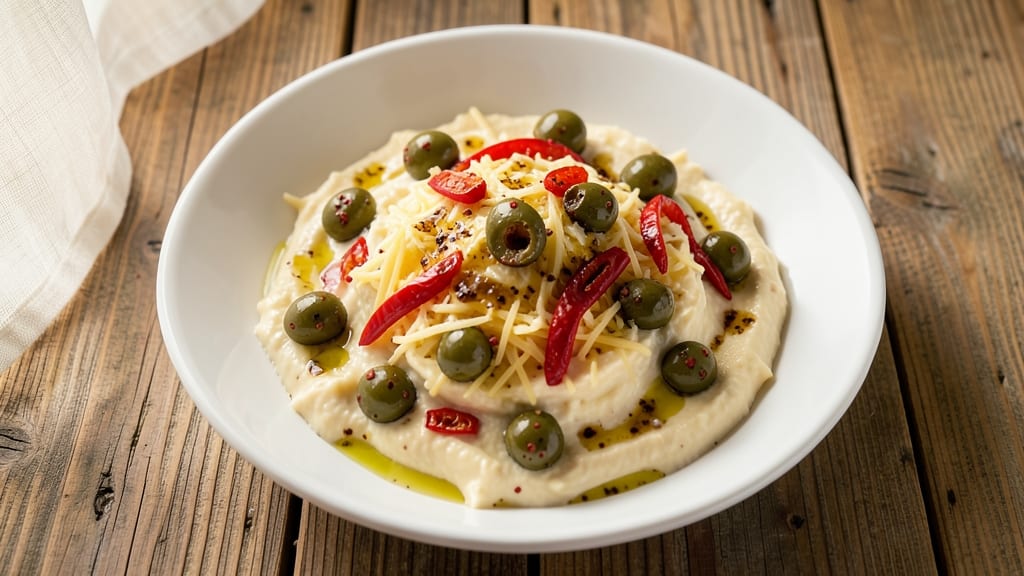
This authentic Masters pimento cheese recipe delivers the perfect balance of smoky cheddar and sweet roasted peppers—just like the original but with a smoother, creamier texture. The secret lies in grating the cheese fresh and blending it with properly drained pimentos for that signature tangy-sweet flavor.
I’ve refined this over years of testing, ensuring every spoonful captures that classic Southern taste without being too thick or too runny.
What sets this recipe apart is the combination of sharp cheddar and roasted red peppers, which create a harmonious blend of heat and sweetness.
The key steps—grating the cheese, draining the pimentos thoroughly, and mixing in just the right amount of mayo—ensure a spread that’s smooth, flavorful, and ready to use immediately. No shortcuts here; this is the real deal, just like the version that’s been a staple in Southern kitchens for decades.
The result is a creamy, velvety cheese spread that’s perfect for sandwiches, crackers, or even as a dip. It stays fresh in the fridge for up to a week, making it ideal for meal prep or entertaining.
Whether you’re serving it on toasted bread, with fresh veggies, or as a dip for pretzels, this pimento cheese will elevate any dish with its rich, authentic flavor.
For an extra touch, I recommend adding a pinch of cayenne for a subtle kick or a splash of hot sauce for those who love it spicier. The beauty of this recipe is its versatility—it’s simple enough for weeknight meals but impressive enough for gatherings.
Let’s get started on making the most authentic pimento cheese you’ve ever tasted.
Ingredients for authentic masters pimento cheese
Sharp cheddar and roasted peppers blend perfectly for this iconic Southern spread.
| Ingredient | Amount | Notes |
|---|---|---|
| Sharp White Cheddar Cheese 🧀 | 2 cups | Freshly grated from block |
| Roasted Red Peppers 🍅 | ½ cup | Jarred, drained well |
| Mayonnaise 🥫 | ¼ cup | High-quality, full-fat |
| Pimento-Stuffed Olives 🫒 | ¼ cup | Chopped finely, pitted |
| Extra-Virgin Olive Oil 🫒 | 1 tbsp | For creaminess |
| Dijon Mustard 🍯 | 1 tsp | For subtle tang |
| Cayenne Pepper 🌶️ | ¼ tsp | Adjust for heat |
| Kosher Salt 🧂 | ½ tsp | To taste |
| Black Pepper 🌶️ | ¼ tsp | Freshly ground |
| Hot Sauce 🔥 | 1 tsp | Optional, for extra heat |
The cheese is the foundation—sharp white cheddar from a block, freshly grated, makes all the difference. Whole Foods or local specialty grocers often carry the best quality, but any well-aged cheddar works. Roasted red peppers should be jarred, not canned—Muir Glen or California brand peppers are ideal. Drain them thoroughly to avoid watery texture. Pimento-stuffed olives add that signature tang; GoyaMeijer brand are reliable choices, but any good-quality olives will do.
No sharp cheddar? Pepper jack works in a pinch, though the flavor will differ slightly. Substitute jarred roasted peppers with sun-dried tomatoes (soaked in hot water first) for a deeper taste. If you dislike olives, extra capers or pickled jalapeños add a similar briny kick. The mayo should be full-fat—Duke’s or Hellmann’s are classic choices, but any good-quality mayo will suffice. For extra creaminess, add 1 tbsp sour cream or Greek yogurt to the mix. The cayenne and hot sauce are optional but recommended for that authentic heat.
This pimento cheese keeps beautifully in the fridge for up to 1 week when stored in an airtight container. For longer storage, portion into small containers and freeze for up to 3 months. To use, simply thaw and stir. The flavor actually improves after a day or two as the ingredients meld together. Serve on toasted bread, with crackers, or as a dip for veggies or pretzels. For a restaurant-worthy presentation, garnish with extra chopped olives or a drizzle of olive oil.
Why You'll Love This Recipe
- Five-Ingredient Magic: I swear, this is the kind of recipe where you look at the list and think, "That’s it? Really?"—then taste it and wonder why you didn’t make it sooner. Sharp cheddar, roasted peppers, mayo, olives, and olive oil? That’s the whole party, no sides needed.
- Game for Any Occasion: Slather it on crackers for a quick snack, stuff it into a grilled cheese when you’re craving comfort, or use it as a dip for veggies when guests show up unexpectedly. I’ve even drizzled it over deviled eggs—don’t judge me.
- Leftovers That Don’t Let You Down: Between us, pimento cheese tastes better the next day. The flavors meld even more, and it’s the perfect make-ahead for game day, potlucks, or lazy Sundays. Plus, it’s cheap to make—sharp cheddar and mayo stretch far, and you’ll use every last bite.
Step-by-step instructions for authentic Masters pimento cheese
This method delivers the perfect balance of smoky cheddar, roasted peppers, and classic Southern flavors.
Grate the Sharp White Cheddar Cheese
Use a box grater or food processor to freshly grate the 2 cups Sharp White Cheddar Cheese. I always prefer freshly grated cheese over pre-shredded because it melts more smoothly and creates a creamier texture. For best results, grate the cheese directly into a large mixing bowl to minimize waste and prevent it from drying out.
If using a food processor, pulse the cheese in short bursts to avoid creating cheese dust. Once grated, give the cheese a quick stir to break up any large clumps. The goal is to have a uniform, crumbly texture that will blend seamlessly with the other ingredients. This step is crucial for achieving that authentic, velvety consistency that sets this recipe apart.
Combine Wet Ingredients and Roasted Red Peppers
In the same mixing bowl with the grated cheese, add the 0.5 cup Roasted Red Peppers (drained well), 0.25 cup Mayonnaise, 1 tbsp Extra-Virgin Olive Oil, 1 tsp Dijon Mustard, 1 tsp Hot Sauce, 0.5 tsp Kosher Salt, 0.25 tsp Cayenne Pepper, and 0.25 tsp Black Pepper. Start by mixing the wet ingredients—mayonnaise, olive oil, mustard, and hot sauce—until they're completely combined and smooth.
Next, fold in the drained roasted red peppers, making sure they're evenly distributed. The roasted peppers add a deep, smoky sweetness that balances the sharpness of the cheddar. I like to use a silicone spatula for this step because it helps scrape up any cheese that sticks to the bottom of the bowl. Mix gently to avoid creating air pockets that could make the final spread too light.
Incorporate Pimento-Stuffed Olives and Adjust Consistency
Add the 0.25 cup Pimento-Stuffed Olives, chopped finely and pitted, to the bowl. These olives bring a briny, slightly sweet contrast that cuts through the richness of the cheese. Mix thoroughly until the olives are evenly distributed throughout the mixture. At this point, the pimento cheese should have a thick, spreadable consistency, but not so stiff that it's difficult to work with.
If the mixture feels too thick, gradually add small amounts of water (about 1 tablespoon at a time) until it reaches a smooth, creamy texture. Conversely, if it's too loose, you can add a bit more grated cheese to thicken it. The ideal consistency should be smooth enough to spread easily but still hold its shape when served. Taste and adjust seasoning if needed—this is where you can fine-tune the balance of heat, salt, and tang.
Chill and Set for Optimal Texture
Transfer the pimento cheese to an airtight container or bowl and cover it with plastic wrap, pressing the wrap directly onto the surface to eliminate air bubbles. Refrigerate for at least 1 hour (or up to 24 hours) before serving. This chilling step is essential—it allows the flavors to meld together and the texture to firm up slightly, making it easier to spread and slice.
During this time, the cheese will develop a more cohesive structure, and the flavors will deepen. The roasted red peppers will infuse their smoky notes more fully, and the cayenne will mellow slightly, creating a harmonious blend. For the best results, let it chill undisturbed in the refrigerator. Once chilled, the pimento cheese should be smooth, creamy, and ready to serve on sandwiches, crackers, or as a dip.
Pro Tips For Making Authentic Masters Pimento Cheese
- GRATE THE CHEESE FRESH: I learned this the hard way—pre-shredded cheddar has anti-caking agents that make the spread grainy. Grab a box of sharp white cheddar, toss it in the freezer for 10 minutes to firm up, then grate it yourself. The texture stays smooth, and the flavor pops brighter.
- USE ROASTED PEPPERS FROM A JAR: Skip the hassle of roasting your own—just grab a jar of roasted red peppers (the ones packed in oil, not water). Drain them well, chop them finely, and you’re done. The acidity in the jarred peppers actually enhances the mayo’s creaminess, and you avoid the risk of under-roasting them.
- CHOP THE OLIVES SMALL: Whole pimento-stuffed olives? No. Tiny, finely chopped ones. I used to leave them half-cut, thinking they’d blend in, but they end up creating a weird texture contrast. Pulse them in a food processor for 2-3 seconds—just enough to break them down, not turn them into paste.
- LET IT REST BEFORE SERVING: This isn’t the prettiest method, but it’s the tastiest. After mixing everything, cover the bowl and refrigerate for at least 30 minutes. The flavors meld, the mayo absorbs into the cheese, and the heat from the peppers really starts to sing. Serve it straight from the fridge—no waiting around for it to warm up.
Flavor customization for these flavors
Spice Level Control
Adjust the heat to your preference by tweaking the cayenne pepper and hot sauce. For mild heat, reduce the cayenne to ¼ tsp or omit entirely. If you love spice, add an extra ½ tsp hot sauce or swap in Tabasco for a tangy kick.
I often start with the full amount and taste before serving—this way, you can customize it perfectly for your crowd. 🌶️
Cheese Variations
Swap the sharp white cheddar for other cheeses to change the flavor profile. Colby Jack adds a milder, slightly sweet note, while pepper jack brings extra heat. For a smokier version, use smoked Gouda—it pairs beautifully with the roasted peppers.
Just remember, pre-shredded cheese won’t melt as smoothly, so fresh grating is key for texture.
Texture Adjustments
Need a smoother spread? Blend the finished mixture in a food processor for 10-15 seconds—just enough to break up any chunks while keeping it creamy. For a chunkier texture, skip blending and leave the olives and peppers intact.
If the cheese is too thick, add 1 tbsp water or milk at a time until it reaches a spreadable consistency. I’ve found that resting the mixture for 30 minutes before adjusting helps stabilize the texture.
Sweet & Tangy Twists
Add 1 tsp honey or maple syrup to balance the heat and add a subtle sweetness. For extra tang, stir in 1 tbsp pickled jalapeño juice or a spoonful of pickled onion relish.
These additions elevate the classic flavors while keeping the dish authentic. I love using Muir Glen roasted red peppers for their natural sweetness, but any jarred variety works.
Herb Infusions
Brighten the pimento cheese with fresh herbs like chopped chives or dill, about 1 tbsp each. These herbs add a fresh, bright contrast to the rich cheese. For a more robust flavor, add ½ tsp smoked paprika or a pinch of garlic powder.
These tweaks keep the dish exciting while staying true to its Southern roots. 💫
Nutrition facts
Frequently asked questions
Why does your recipe use sharp white cheddar instead of regular cheddar?
The sharpness of white cheddar is essential for authentic flavor—it provides that signature tangy kick that balances the sweetness of roasted peppers and olives. Regular cheddar lacks the depth of flavor needed for this classic Southern spread. For best results, always use freshly grated cheese to avoid pre-shredded's anti-caking agents that can make the texture grainy.
Can I make this pimento cheese without mayo?
Yes, but the texture will be drier. Replace the mayo with 2 tbsp sour cream or Greek yogurt for creaminess, or use 1 tbsp olive oil to help bind the ingredients. The mayo adds richness and helps emulsify the mixture—without it, you'll need to adjust other ingredients to maintain that signature smoothness.
How do I fix pimento cheese that's too thick or too thin?
For thick cheese, stir in 1 tsp water or milk at a time until spreadable. If too thin, add 1 tbsp freshly grated cheese and mix well. The key is to adjust gradually—adding too much liquid or cheese at once can ruin the texture. Let the mixture rest for 10 minutes after adjusting to allow flavors to settle.
What's the best way to store leftover pimento cheese?
Transfer to an airtight container and refrigerate for up to 5 days. For longer storage, portion into small containers and freeze for 3 months. Thaw overnight in the fridge—never microwave. The texture may separate slightly after freezing, so stir well before using. For best flavor, consume within 1 week of making.
Can I substitute jarred pimentos for roasted red peppers?
Not recommended—they're completely different ingredients! Jarred pimentos are sweet and mild, while roasted red peppers provide that essential smoky depth. If you must substitute, use ¼ cup finely chopped sun-dried tomatoes (soaked in hot water first) for a similar sweetness, but the flavor won't be identical. The roasted peppers are what give this recipe its authentic character.