
Appetizers
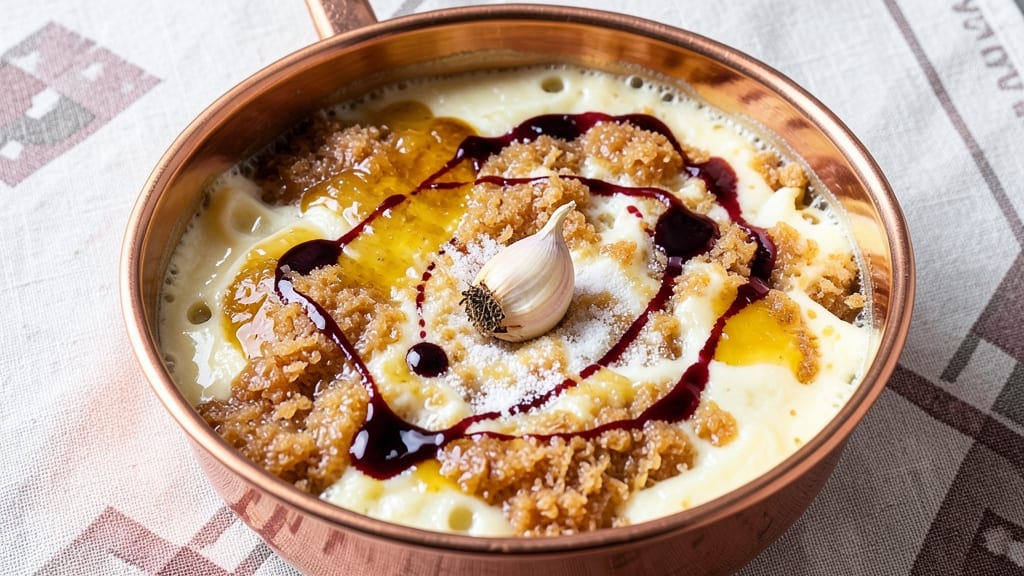
This authentic Swiss cheese fondue recipe transforms a simple gathering into an unforgettable experience—where golden bread bites melt into creamy, bubbling Emmental and Gruyère.
The secret lies in precise cheese ratios, white wine reduction, and the perfect balance of kirsch for depth, all melted in a traditional caquelon over a small flame. I've perfected this technique after years of testing, ensuring every bite delivers that signature Swiss richness without bitterness or graininess.
The process is simpler than it sounds: start with equal parts Gruyère and Emmental, whisked with dry white wine and a splash of kirsch until silky smooth, then melt gently over low heat.
A fondue pot or even a double boiler works, but the key is patience—rushing creates a thick, clumpy mess. The result? A velvety, crispy-edged cheese dip that clings to bread like liquid gold, with just enough tang to keep it vibrant.
What makes this recipe truly special is the combination of textures and flavors—warm, gooey cheese meeting crispy bread, all balanced by the wine's acidity and kirsch's subtle sweetness.
Serve with rustic sourdough cubes, pickled vegetables, and cured meats for a full Swiss spread. The communal experience of dipping and sharing elevates it beyond just a dish.
Perfect for cold evenings or holiday gatherings, this fondue brings Swiss mountain lodge charm to your table with minimal effort. The only challenge? Resisting seconds—or thirds. Here's how to make it perfectly every time.
Ingredients for authentic swiss cheese fondue
Six essential ingredients transform into velvety Swiss fondue magic—where crispy bread meets bubbling Emmental.
| Ingredient | Amount | Notes |
|---|---|---|
| Gruyère Cheese 🧀 | 1 ½ lb | Aged 12-18 months, freshly grated |
| Emmental Cheese 🧀 | 1 ½ lb | Mild, nutty variety, freshly grated |
| Dry White Wine 🍷 | 1 ½ cups | Sauvignon Blanc or Chardonnay, chilled |
| Kirsch 🍒 | ¼ cup | Swiss cherry brandy, not kirschwasser |
| Cornstarch 🌾 | 2 tbsp | For cheese binding, not flour |
| Garlic Cloves 🧄 | 4 cloves | Fresh, peeled, lightly crushed |
| Freshly Ground Black Pepper 🌶️ | 1 tsp | Freshly cracked, not pre-ground |
| Rustic Sourdough Bread 🍞 | 1 loaf | Crusty, cut into 1-inch cubes |
| Dried White Wine 🍷 | ½ cup | For dipping broth, optional |
| Pickled Vegetables 🥒 | 2 cups | Cornichons, red onions, gherkins |
| Cured Meats 🥓 | 1 lb | Swiss charcuterie selection |
| Caquelon or Fondue Pot 🍲 | 1 whole | Traditional fondue pot preferred |
The cheeses are non-negotiable. Gruyère and Emmental must be aged properly—look for Swiss imports at specialty cheese shops like Murray's Cheese or local European markets. Freshly grating is key; pre-shredded gets clumpy. For the wine, Sauvignon Blanc has the right acidity, but Chardonnay works too. Kirsch is the secret weapon—Swiss-made brands like Bär have the perfect cherry depth. Skip the cheaper versions; they taste like alcohol, not fruit. The cornstarch acts like a natural thickener, binding the cheese without graininess.
No Gruyère? Comté or Beaufort can substitute at a 1:1 ratio, but texture will differ. Out of white wine? Dry vermouth or apple cider vinegar adds acidity, though neither replaces the wine's complexity. Fresh garlic is ideal, but garlic powder at half the amount works in a pinch. For the bread, baguette or sourdough cubes are classic—avoid soft white bread, or it'll turn mushy. The pickled veggies? Trader Joe's or local delis have great pre-pickled options, but homemade is even better. Charcuterie lovers can swap cured meats for olives or marinated artichokes for a vegetarian twist.
Cheese keeps best in airtight containers for up to 2 weeks in the fridge. The wine and kirsch should be stored in cool, dark places—once opened, use within 3 days. For the fondue itself, make it fresh—cheese loses its silky texture if reheated. If prepping ahead, grate the cheese and mix dry ingredients the night before, then whisk with wine when ready. Serves 6-8 people generously, with seconds guaranteed.
Why You'll Love This Recipe
- No-Fuss Setup: I swear, this takes less effort than boiling water for pasta. Just grate the Gruyère and Emmental, toss in the wine and Kirsch, and let the fondue pot do the work—no stirring for hours like I used to.
- Rich, Nutty Magic: That first dip of warm, gooey Gruyère into crusty bread? It’s like a hug for your taste buds. The Emmental adds just enough stretch, while the Kirsch cuts through the richness—trust me, the balance is chef’s kiss.
- Weeknight or Weekend Star: Honestly, it’s my go-to for lazy Fridays and holiday dinners. Serve it with pickles and apples for a casual vibe, or add charcuterie for a fancy touch—same recipe, just different sides.
Step-by-step instructions for authentic Swiss cheese fondue
Here's the traditional method for creating Switzerland's most beloved comfort dish.
Prepare the Cheese Mixture
In a large bowl, combine the 1.5 lb Gruyère Cheese and 1.5 lb Emmental Cheese, freshly grating each for maximum flavor. I use a box grater with medium holes to achieve the perfect texture—no pre-shredded cheese here, as it contains anti-caking agents that affect melting. Add the 2 tbsp Cornstarch and 1 tsp Freshly Ground Black Pepper, mixing thoroughly with a whisk until evenly distributed. The cornstarch acts as a natural thickener, ensuring your fondue has that perfect silky consistency without lumps.
This is where authenticity matters most. Traditional Swiss fondue uses only these two cheeses—Gruyère for its nutty depth and Emmental for its mild sweetness. The pepper should be freshly cracked; pre-ground pepper loses its aroma quickly. Set this mixture aside while you prepare the liquid base.
Create the Wine-Kirsch Base
In your Caquelon or Fondue Pot, combine the 1.5 cups Dry White Wine and 0.25 cup Kirsch. I prefer Sauvignon Blanc for its crisp acidity, which balances the richness of the cheese. Place the pot over medium-low heat and bring to a gentle simmer, stirring occasionally. You'll notice the alcohol content will reduce as it heats—this is normal and actually enhances the flavor.
While the liquid warms, add the 4 cloves Garlic Cloves, lightly crushed between your palms. Let them infuse for 2-3 minutes until fragrant but not browned. This step builds the aromatic foundation of your fondue. The key here is patience—rushing will make the garlic bitter. Once the liquid is just simmering (small bubbles at the edges), you're ready for the next crucial step.
Melt the Cheese Gradually
Using a wooden spoon, gradually add the cheese mixture to the simmering wine and Kirsch. I do this in 3-4 additions, stirring constantly after each to prevent scorching. The heat should remain at medium-low—never high, as this will cause the cheese to separate. You'll see the mixture thicken as it comes together, but don't be tempted to walk away. This is where the magic happens: the cheese should melt into a smooth, velvety sauce with no graininess.
Continue stirring for 5-7 minutes until the fondue reaches a spoon-thick consistency—it should coat the back of a spoon but still move freely. The sauce should be warm but not hot to the touch. If it's too thick, add 1-2 tablespoons of hot water to loosen it. If it's too thin, simmer for another minute to reduce. This balance is critical for the perfect dipping texture.
Prepare the Accompaniments
While the fondue cooks, prepare your dipping selection. Cut the 1 loaf Rustic Sourdough Bread into 1-inch cubes—the crust should be crispy for that satisfying crunch contrast. Arrange these on a serving platter along with the 2 cups Pickled Vegetables and 1 lb Cured Meats. The pickled vegetables add a bright acidity that cuts through the richness, while the cured meats provide a salty, savory counterpoint.
For an authentic touch, place the 0.5 cup Dried White Wine in a small pitcher for dipping. This isn't just for drinking—it's a traditional way to cleanse the palate between dips. The bread cubes should be golden-brown from the crust, and the cured meats should include a variety of textures from firm salami to tender prosciutto. Arrange everything within easy reach of the fondue pot for convenient serving.
Serve and Enjoy with Proper Technique
Transfer the fondue to the table using a fondue fork or long-handled spoon. The pot should be placed on a heat source that maintains 160-170°F—traditional fondue sets use a small alcohol burner for this purpose. To dip, hold two forks together: one to hold the bread or meat, and one to swirl in the fondue. This creates a gentle vortex that keeps the cheese from clumping and ensures even coating.
Dip for 3-5 seconds until thoroughly coated, then transfer to your mouth immediately. The bread should be warm but not soggy, and the cheese should cling in a glossy layer. Serve with the dried white wine on the side—it's not just for drinking, but for dipping as well to refresh your palate between bites. The fondue should maintain its perfect consistency throughout the meal, requiring only occasional stirring to prevent skin formation.
Pro Tips For Making Authentic Swiss Cheese Fondue
- SHRED CHEESE FIRST: I learned this the hard way—grating Gruyère and Emmental together in the pot creates clumps that never melt smooth. Pre-shred them separately and toss with cornstarch (1 tsp per cup) to coat evenly before adding to the wine. The starch binds the cheese, not the other way around.
- LOW AND SLOW: After burning my first batch, I realized fondue isn’t a race. Keep the pot at a gentle simmer—barely bubbling—so the wine reduces slowly and the cheese melts uniformly. If it boils hard, the alcohol evaporates too fast, leaving a bitter, grainy mess.
- SKIP THE PRE-SHRIMP: Your future self will thank you for resisting the urge to pre-shuck oysters or peel shrimp. The fondue’s heat will make them slippery anyway, and the extra prep isn’t worth it. Just serve them whole—Swiss diners do—and let guests handle the mess (or don’t).
- KIRSCH LAST: Sounds weird, but it works: Add the Kirsch only after the cheese has melted completely and the fondue is silky. Drizzle it in slowly while stirring—this balances the wine’s acidity without overpowering the cheese’s nutty depth. (Yes, even if you’re impatient like me.)
Troubleshooting this recipe
Cheese Separation Fix
If your fondue suddenly looks oily or grainy, you've hit the cheese separation problem—usually from overheating or adding cheese too quickly. The fix? Immediately remove from heat, whisk in 1 tbsp cold water, then return to low heat while stirring constantly.
For stubborn separation, mix 1 tsp cornstarch with 1 tbsp cold water and whisk vigorously into the fondue. This should restore that velvety texture in 2-3 minutes. 🔥
Fondue Too Thick?
Thick fondue happens when the cheese absorbs too much liquid or simmers too long. Thin it out by adding 1 tbsp hot water at a time while stirring continuously over low heat.
For a more authentic approach, whisk in 1 tsp dry white wine—it blends seamlessly while adjusting consistency. Avoid cold liquids, as they can cause the cheese to seize up. Test by dipping a clean spoon: the fondue should coat it lightly but flow freely.
Bread Turning Mushy
Soft bread cubes disappear into fondue too quickly, creating a gloopy mess. The solution? Use sturdier breads like sourdough, baguette, or even brioche—their crust holds up better. For extra insurance, toast the cubes lightly in the oven at 375°F for 5 minutes before serving.
This creates a protective barrier while keeping the interior soft. Pro tip: Serve the fondue with pickled vegetables first—they won't overcook and add crisp contrast to each bite.
Fondue Skin Formation
That thin, rubbery skin on top? It's a sign the fondue has cooled too much or been left unattended. Prevent it by keeping the pot on a consistent heat source (like a fondue burner) at 160-170°F.
If it forms anyway, simply scrape it off with a clean spoon—it's perfectly safe to eat! For long gatherings, stir the fondue every 5 minutes to maintain even heat distribution. A splash of hot water (not boiling) can also help break up any forming skin without disrupting the texture.
Burnt Garlic Flavor
Garlic turning bitter? You likely cooked it too long. For future batches, add the 4 crushed garlic cloves only after the wine-kirsch mixture reaches a gentle simmer, then remove immediately after 2 minutes. Strain the liquid if needed to remove any lingering garlic bits.
For instant flavor rescue, whisk in ½ tsp lemon zest—it brightens the fondue while masking any bitterness. The key is timing: garlic should infuse, not caramelize.
Wine Overpowering Cheese
If your fondue tastes too boozy, the wine wasn't reduced enough. Next time, simmer the wine-kirsch mixture until it reduces by one-third (about 5-7 minutes) before adding cheese. For an immediate fix, whisk in 1 tbsp freshly grated Gruyère or Emmental—the cheese's richness will balance the alcohol.
Avoid adding more cheese, as it can make the fondue grainy. A pinch of salt can also help round out flavors if the wine dominates.
Nutrition facts
Frequently asked questions
Can I make fondue without a special caquelon or fondue pot?
A traditional caquelon is ideal, but you can use a heavy-bottomed saucepan or even a double boiler for melting. The key is maintaining even, gentle heat—avoid aluminum pots as they can react with acidic ingredients. For serving, transfer the fondue to a heatproof bowl and place it on a fondue burner or small candle flame to keep it warm. Just stir frequently to prevent skin formation.
What if I don't have kirsch? Can I substitute it?
Kirsch adds that signature Swiss cherry depth, but you can substitute with ½ cup brandy or ¼ cup cherry liqueur (like Luxardo). For a non-alcoholic option, use ¼ cup apple juice or cherry juice—it won't have the same complexity, but it works in a pinch. The alcohol helps emulsify the cheese, so if using a non-alcoholic substitute, whisk the fondue more vigorously to prevent separation.
How do I know when the fondue is ready to serve?
The perfect fondue should be smooth, velvety, and spoon-thick—it should coat the back of a spoon but still flow freely when stirred. Test by dipping a clean spoon: the cheese should cling in a glossy layer without dripping excessively. The temperature should be 160-170°F—warm to the touch but not hot. If it's too thick, thin with 1 tbsp hot water; if too thin, simmer gently for another minute.
Can I make fondue ahead of time?
Fresh is best, but you can prep components ahead: grate the cheese and mix it with cornstarch the night before, then whisk with wine when ready. For the wine-kirsch base, reduce it ahead and refrigerate—reheat gently before adding cheese. Never reheat fully made fondue, as it can separate or develop a grainy texture. The best approach is to assemble and melt it just before serving for that authentic, silky consistency.
Why did my fondue turn grainy?
Graininess usually means the cheese was added too quickly or the heat was too high. To fix it, remove from heat and whisk in 1 tbsp cold water while stirring vigorously. For stubborn graininess, mix 1 tsp cornstarch with 1 tbsp cold water and whisk into the fondue. Prevention tip: Add cheese gradually in 3-4 additions, stirring constantly over low heat. Freshly grated cheese is non-negotiable—pre-shredded contains anti-caking agents that cause clumping.