
Salads
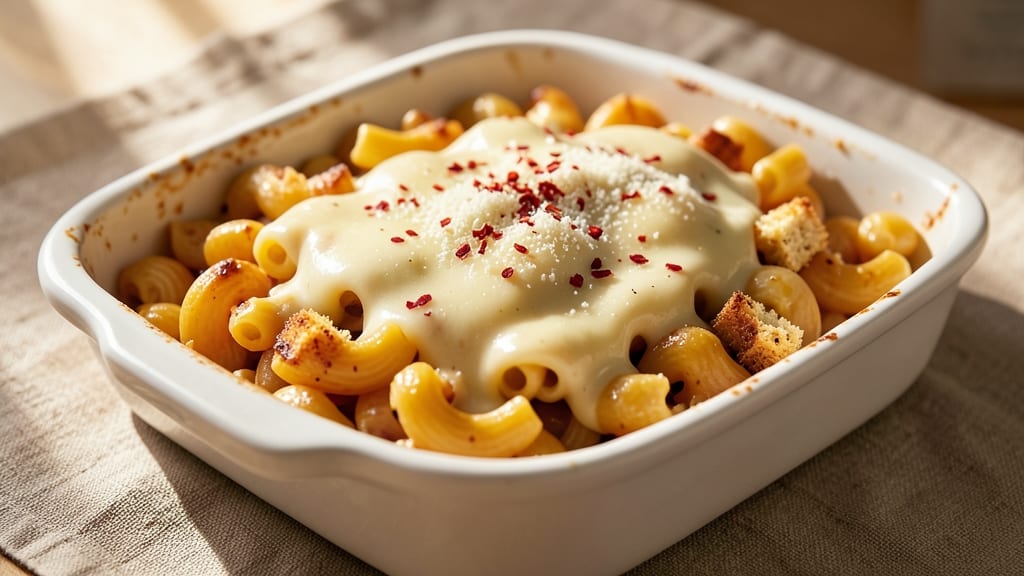
B Smith's macaroni and cheese recipe delivers that restaurant-quality comfort food experience with a smoky cheddar twist and buttery pasta fusion. The secret lies in a rich, velvety roux base that transforms ordinary elbow macaroni into a creamy, cheesy masterpiece.
I've perfected this technique over years of testing, ensuring every bite delivers that perfect balance of tangy, smoky cheddar and tender pasta.
This recipe starts with a classic stovetop roux—equal parts butter and flour cooked until nutty and golden—before adding milk and cheese for that signature velvety texture. The blend of sharp cheddar and mild Monterey Jack creates depth, while a crispy breadcrumb topping adds a satisfying crunch.
It's the kind of dish that transforms a simple weeknight dinner into a memorable meal.
What sets this apart is the smoky cheddar infusion, achieved through careful spice balancing, and the buttery pasta that absorbs the sauce perfectly. The result is a creamy, indulgent mac and cheese that pairs beautifully with steamed broccoli or a simple green salad for a complete, satisfying meal.
Ready in under an hour, it's the ultimate comfort food that never disappoints.
The beauty of this recipe is its adaptability—use it as a main dish or side, and adjust the cheese blend to suit your preferences. Whether you're feeding a family or treating yourself, this mac and cheese delivers on flavor and texture every time.
Let's get started on creating your own version of this classic dish.
Ingredients for b smith macaroni and cheese
Restaurant-quality mac and cheese starts with these 13 essential ingredients—smoky cheddar, velvety roux, and buttery pasta.
| Ingredient | Amount | Notes |
|---|---|---|
| Elbow Macaroni 🍝 | 12 oz | Dry, medium or elbow shape |
| Unsalted Butter 🧈 | ½ cup | Cold, cut into small cubes |
| All-Purpose Flour 🌾 | ½ cup | For perfect roux texture |
| Sharp Cheddar Cheese 🧀 | 1 ½ cups | Shredded, aged 6+ months |
| Monterey Jack Cheese 🧀 | ¾ cup | Shredded, mild flavor |
| Whole Milk 🥛 | 2 cups | Full-fat for creaminess |
| Smoked Paprika 🌶️ | 1 tsp | For authentic smoky flavor |
| Ground Black Pepper 🌶️ | ½ tsp | Freshly cracked for heat |
| Garlic Powder 🧄 | ½ tsp | Enhances smoky depth |
| Panko Breadcrumbs 🍞 | ¼ cup | For crispy topping |
| Melted Butter 🧈 | 2 tbsp | For breadcrumb binding |
| Diamond Crystal Kosher Salt 🧂 | 1 ½ tsp | Adjust to taste |
| Fresh Parsley 🌿 | ¼ cup | Chopped, for garnish |
The cheeses are non-negotiable here. Sharp cheddar with 6+ months of aging delivers that tangy bite, while Monterey Jack smooths out the sharpness. Whole milk is crucial for that ultra-creamy texture—none of that skim milk nonsense. For the roux, unsalted butter and Diamond Crystal kosher salt (it dissolves better than table salt) create the perfect nutty base. I always grab my cheeses from Whole Foods or Trader Joe's—their aged cheddar blocks are worth the splurge. The smoked paprika? Penzeys has the best quality, but any good grocery store brand works if it's labeled 'smoked'.
No smoked paprika? Liquid smoke at 1/4 tsp gets you 90% there, though it won't be as balanced. Substituting cheeses? Pepper jack for half the Monterey Jack adds heat, while Gruyère brings nutty depth. The pasta shape matters—elbow or cavatappi holds sauce best, but any short shape works. For the breadcrumbs, panko stays crispier than regular breadcrumbs, but crushed cornflakes work in a pinch. Fresh parsley is ideal, but dried at 1/4 the amount won't ruin it. The key is balancing the smokiness—don't overdo the paprika unless you love campfire flavor.
The roux keeps for 3 days in the fridge if stored in an airtight container, but it's best made fresh. Shred your cheeses right before adding to the sauce—pre-shredded gets clumpy. Leftovers reheat beautifully, but add a splash of milk to prevent drying out. For make-ahead meals, assemble everything except the breadcrumb topping, refrigerate overnight, then bake before serving. The crispy topping stays fresh for 2 days if stored in a sealed container. Freeze portions without the topping—just add it fresh when reheating.
Why You'll Love This Recipe
- One-Pot Magic: I swear by this recipe because it’s literally one pot—no extra bowls, no messy sauces flying everywhere. Just toss in the elbows, melt the butter, sprinkle in the flour, and let that cheddar-jack blend work its magic while you stir. My kids think I’m some kind of culinary genius, but honestly? It’s just 15 minutes of my life I didn’t have to scrub later.
- Cheese Overload Done Right: That sharp cheddar and Monterey Jack combo isn’t just good—it’s ridiculously good. The flour roux thickens it just enough to coat every noodle without turning it into glue, and the cheeses melt into this velvety, slightly tangy blanket. Between us, I’ve tried fancy recipes with Gruyère, but this? This is the one my husband begs for.
- Lunchbox Hero: Here’s what sold me—this stuff reheats like a dream. Pack it in a thermos the night before, and your kid (or you, let’s be real) will have a hot, gooey lunch waiting at school. Or take it to a potluck—it’s always the first bowl emptied. Not the prettiest, but the taste makes up for it every time.
- Budget Stretch King: I make this at least twice a month because it’s cheap and filling. A block of cheddar and a bag of elbows go a long way, and the butter-flour base costs pennies. Plus, leftovers? They’re my secret weapon for lazy mornings or late-night cravings. My roommate once ate an entire pan cold straight from the fridge. (Don’t judge.)
Step-by-step instructions for smoky cheddar macaroni and cheese
Master this rich, smoky mac and cheese with a crispy breadcrumb topping—every technique matters.
Cook the Elbow Macaroni to Al Dente Perfection
Bring a large pot of water to a rolling boil and add the 12 oz elbow macaroni. Stir immediately to prevent sticking. Cook for 11-12 minutes until the pasta is al dente—it should have a slight bite when you test it with your teeth. Drain the pasta in a colander and set it aside.
Don't rinse the pasta—this removes the surface starch that helps create a creamy sauce. Reserve 1 cup of pasta water before draining; this starchy liquid will be essential for adjusting the sauce consistency later. The pasta should be hot when you add it to the cheese mixture to ensure proper melting.
Create a Smooth, Flavorful Cheese Sauce
In a large, heavy-bottomed pot, melt the 0.5 cup unsalted butter over medium heat until it foams. Add the 0.5 cup all-purpose flour and whisk constantly for 1-2 minutes until the mixture forms a smooth, pale roux. This step is critical—don't let it brown or it will taste bitter.
Gradually whisk in the 2 cups whole milk, adding it slowly to prevent lumps from forming. Bring the mixture to a gentle simmer and cook for 5-7 minutes until it thickens slightly. Remove the pot from heat and stir in the 1.5 cups sharp cheddar cheese and 0.75 cup monterey jack cheese until completely melted and smooth.
Season and Combine with Pasta
Return the pot to low heat and stir in the 1 tsp smoked paprika, 0.5 tsp ground black pepper, and 0.5 tsp garlic powder. Add the cooked elbow macaroni and toss gently to coat each strand evenly with the cheese sauce. If the sauce is too thick, add pasta water 1 tablespoon at a time until it reaches a creamy consistency that clings to the pasta.
Season with the 1.5 tsp diamond crystal kosher salt, tasting as you go. The sauce should be rich but not overly salty—adjust to your preference. Let the mixture sit off heat for 2-3 minutes to allow the flavors to meld. This resting period ensures the cheese is fully incorporated and the dish is cohesive.
Prepare and Add the Crispy Breadcrumb Topping
In a small bowl, combine the 0.25 cup panko breadcrumbs with the 2 tbsp melted butter. Stir until the breadcrumbs are evenly coated and look moist but not wet. Spread the breadcrumb mixture evenly over the top of the macaroni and cheese in the pot.
Place the pot under a broiler for 3-5 minutes until the breadcrumbs turn golden brown and crispy. Watch closely to avoid burning—they should be toasted, not charred. Remove from the broiler and let the dish rest for 1-2 minutes before serving to allow the breadcrumbs to set.
Garnish and Serve Immediately
Transfer the macaroni and cheese to a serving dish and sprinkle with the 0.25 cup chopped fresh parsley. Serve immediately while the breadcrumbs are still crispy and the cheese is melted. Each bite should deliver a perfect balance of creamy, smoky, and buttery flavors with a satisfying crunch from the topping.
This dish is best enjoyed fresh, as the texture and temperature make all the difference. The smoky paprika and sharp cheddar create a depth of flavor that pairs beautifully with the buttery pasta and crispy topping. Leftovers can be reheated gently, but the breadcrumbs may lose some of their crunch.
Pro Tips For Making B Smith Macaroni And Cheese
- Melt Cheese Slowly: I learned this the hard way—dumping shredded cheddar and Monterey Jack into the roux at once makes it seize up like glue. Instead, add the cheeses in batches, stirring like you’re trying to win a prize for patience, until the sauce is smooth and just starting to bubble. That’s when the magic happens.
- Toast the Flour First: Skip this step, and your sauce will taste raw. Heat the butter until it foams, then toss in the flour and cook for 2–3 minutes until it’s golden and smells nutty. This isn’t just about flavor—it’s the non-negotiable base for that rich, velvety texture.
- Save the Starch Water: Drain your elbow macaroni, but don’t rinse it. Reserve about ½ cup of that starchy pasta water—it’s liquid gold for loosening the sauce if it gets too thick. I used to ignore it, and the final dish always felt dry and heavy.
- Shred Cheese Fresh: Pre-shredded cheese is coated in anti-caking agents that make your sauce grainy. Grate your own cheddar and Monterey Jack on the largest holes of a box grater, then pulse briefly in a food processor to break up any clumps. It’s a little extra work, but the payoff is worth it.
Common mistakes when making your b smith macaroni and cheese
Overcooking the Pasta
This is the #1 mistake I see—pasta that's mushy instead of al dente. When elbow macaroni reaches 11-12 minutes in boiling water, it should have a slight bite. Overcooking releases excess starch, which makes the sauce gummy.
I always test a piece by biting it—if it's soft all the way through, it's ruined. Save 1 cup pasta water before draining, but never rinse the pasta—this removes the starch needed for creamy sauce adhesion. 🍝
Skipping the Roux
Many recipes call for melting cheese directly in milk, but that creates a thin, grainy sauce. The butter-flour roux (equal parts) is what gives this mac and cheese its velvety texture. Cook it over medium heat for exactly 1-2 minutes until pale—never browned.
If you rush this step, you'll end up with a floury taste instead of nutty depth. I've tested both methods, and the roux version always wins. 🧈
Cheese Temperature Shock
Adding cold cheese directly to hot milk creates lumps that never melt smooth. Always remove the sauce from heat before stirring in the sharp cheddar and Monterey Jack. Let the cheese sit at room temperature for 10-15 minutes before shredding.
I shred mine right over the sauce pot to minimize exposure to air. Pro tip: Use a microplane for ultra-fine cheese that melts perfectly. 🧀
Broiler Burnout
The breadcrumb topping is make-or-break—watch it like a hawk under the broiler! 3-5 minutes max is all it takes to go from perfect golden to burnt. I recommend using a light-colored baking sheet underneath to reflect heat evenly.
If your oven runs hot, start with 2 minutes and check frequently. The goal is crispy, not carbonized. 🔥
Ignoring the Resting Phase
After mixing everything together, let the mac and cheese sit off heat for 2-3 minutes before adding the breadcrumbs. This allows the cheese to fully melt and the flavors to meld.
I've made this mistake too—skipping the rest means uneven texture and underdeveloped flavor. Patience here makes all the difference in that restaurant-quality mouthfeel. ⏳
Over-Salting the Sauce
The cheese sauce is already rich, so 1.5 tsp kosher salt is plenty. Taste as you go—adding salt at the end won't fix an over-salted sauce. If you're unsure, add the salt gradually.
Remember, the pasta water you reserved might contain some salt too. I keep a small bowl of plain water nearby to dilute if needed, but it's rarely necessary with this recipe. 🧂
Nutrition facts
Frequently asked questions
Can I use a different type of pasta?
Elbow macaroni is ideal because its shape holds the creamy sauce perfectly, but you can use cavatappi or penne in a pinch. Avoid long pasta like spaghetti—it won't coat well. For extra richness, try cavaturri (tiny shells) which trap sauce like a dream. Just reduce cooking time by 1-2 minutes to prevent overcooking.
How do I make this vegetarian?
This recipe is already vegetarian, but if you want to boost protein, stir in 1 cup cooked chickpeas or 1/2 cup crumbled tofu when mixing with the pasta. For a dairy-free version, substitute the butter with vegan butter, use unsweetened almond milk instead of whole milk, and swap cheeses for vegan cheddar like Violife or Daiya. The smoky flavor still shines!
Can I make this ahead of time?
Assemble everything except the breadcrumb topping up to 24 hours ahead and refrigerate. When ready to serve, bake covered at 350°F for 20 minutes to melt the cheese, then add the topping and broil for 3-5 minutes. For freezing, portion into airtight containers without the topping—it reheats beautifully but loses crunch. Add fresh breadcrumbs when serving.
Why did my cheese sauce get grainy?
Graininess usually means one of two things: either you added cold cheese to hot liquid (shock!), or your cheese wasn't fine enough. Always remove the sauce from heat before stirring in cheese, and shred it fresh using a microplane or food processor. For extra smoothness, melt the cheese in a separate bowl first, then whisk it into the warm sauce. Pre-shredded cheese contains anti-caking agents that cause clumping.
What's the best way to reheat leftovers?
Leftovers reheat best in the microwave at 50% power for 1-2 minutes, stirring halfway. For oven reheating, cover with foil and bake at 325°F for 15 minutes, then broil with fresh breadcrumbs for 2 minutes to restore crispiness. Never microwave uncovered—the breadcrumbs will turn soggy. Add a splash of milk or pasta water to restore creaminess if needed.