
Sauces & Condiments
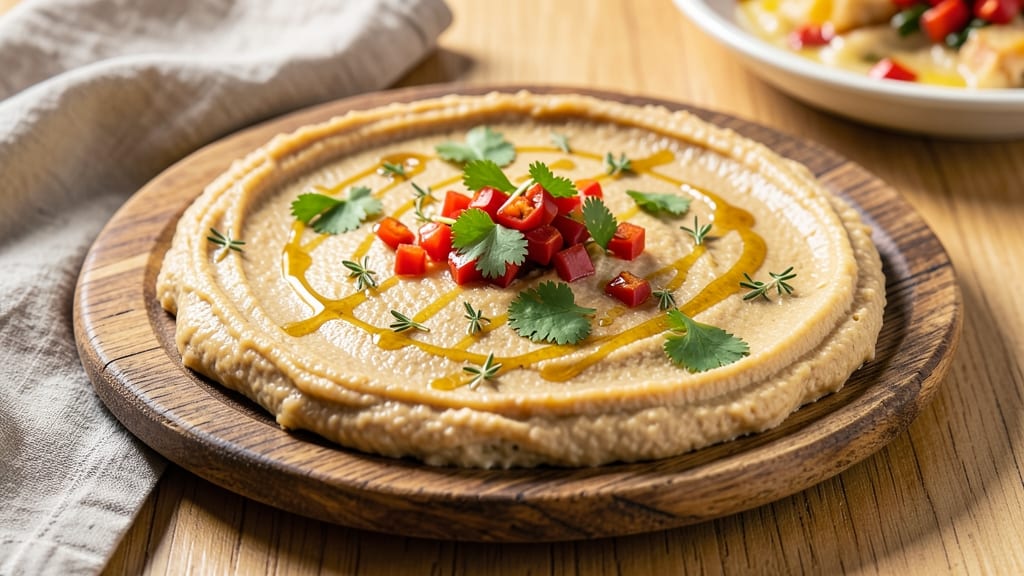
This Bajan cheese paste recipe transforms humble ingredients into a fiery, aromatic spread that brings Caribbean boldness to every bite. 🌶️ The secret lies in blending sharp cheddar with Scotch bonnet peppers, fresh herbs, and a touch of mustard for depth—creating a paste that’s as versatile as it is flavorful.
Perfect for sandwiches, marinades, or as a bold finishing touch on grilled meats, this recipe delivers restaurant-quality heat without the fuss.
The process is simpler than it sounds: grate the cheese, blend it with finely chopped peppers and herbs, then mix in mustard and a splash of vinegar to bind everything together. The result?
A thick, spreadable paste with layers of spice, tang, and herbal brightness that stays fresh for weeks in the fridge. No cooking required—just mix, taste, and adjust the heat to your liking.
What makes this paste special is its ability to elevate any dish. Slather it on toasted bread for a spicy open-faced sandwich, use it as a marinade for chicken or fish, or stir it into soups and stews for an instant Caribbean kick.
The Scotch bonnet peppers provide the signature heat, while the herbs add freshness that balances the richness of the cheese.
Storage is effortless—simply transfer the paste to an airtight container and keep it refrigerated for up to two weeks. For longer storage, freeze portions for up to three months. The flavors only deepen over time, making this a pantry staple worth repeating. Let’s get blending!
Ingredients for bajan cheese paste
Nine bold ingredients blend into a Caribbean-inspired paste bursting with heat and herbal brightness.
| Ingredient | Amount | Notes |
|---|---|---|
| Sharp Cheddar Cheese 🧀 | 2 cups | Freshly grated, block preferred |
| Scotch Bonnet Peppers 🌶️ | 2 whole | Seeds removed for medium heat |
| Fresh Cilantro 🌿 | ½ cup | Stems removed, finely chopped |
| Fresh Thyme Leaves 🌿 | ¼ cup | Stems removed, loosely packed |
| Yellow Mustard 🍯 | 2 tbsp | Dijon preferred for tang |
| Apple Cider Vinegar 🍋 | 1 tbsp | For brightness and binding |
| Olive Oil 🫒 | 2 tbsp | Extra-virgin for richness |
| Garlic Cloves 🧄 | 2 cloves | Minced for depth of flavor |
| Salt 🧂 | ½ tsp | Diamond Crystal preferred |
| Black Pepper 🌶️ | ¼ tsp | Freshly ground for warmth |
The sharp cheddar is the foundation—look for aged cheddar with visible crystals for maximum tang. Scotch bonnet peppers are non-negotiable for authentic heat, but if you can't find them, habanero or red jalapeño work in a pinch (reduce to 1 pepper and seed it well). Fresh herbs make all the difference here: cilantro from the Latin market has more vibrant flavor than grocery store varieties. For thyme, fresh sprigs are ideal, but dried works at half the amount if you're in a bind. The mustard should be Dijon-style—it adds complexity that regular yellow mustard can't match.
No Scotch bonnet? Habanero or red jalapeño will give you heat, but expect more intensity. Fresh herbs wilt fast, so use them within 2 days of purchase. Substitute parsley at half the amount if cilantro isn't available, but the flavor will be milder. For extra richness, swap 1 tbsp of the olive oil for tahini. The vinegar can be white vinegar or lime juice if you prefer a different tang. When grating cheese, use the large holes on your grater—smaller holes create cheese dust that won't blend smoothly. Always taste as you go; adjust heat by adding more or less pepper, and balance with extra mustard or vinegar if needed.
This paste keeps beautifully—2 weeks refrigerated in an airtight container. For longer storage, portion into ice cube trays, freeze, then transfer to a bag. Thaw in the fridge overnight. The flavors actually improve over time, developing deeper complexity. Store any unused peppers in dry paper towels in the fridge for up to 5 days. Fresh herbs can be prepped ahead: chop and store in airtight containers with paper towels for 3 days. The paste thickens as it sits, so add a splash of vinegar or olive oil when ready to use if it's too stiff.
Why You'll Love This Recipe
- Five-Ingredient Magic: That’s it—just five things. No fancy prep, no stress. I toss the sharp cheddar into the food processor with the Scotch bonnet (careful with that heat!), fresh thyme, cilantro, and a splash of yellow mustard. Five minutes later, you’ve got a paste that’s actually useful.
- Heat Meets Cream: Here’s what sold me—Scotch bonnet’s fiery kick balanced by the cheddar’s rich bite. The thyme adds this earthy depth, while the mustard ties it all together. It’s not sweet, not spicy in a one-note way—it’s layered, and that’s what makes it ridiculous good.
- Pantry Hero: This stuff doesn’t just disappear. I’ve used it on grilled chicken, stirred into mac and cheese, even slathered on toast with a fried egg. Honestly, it’s the reason I keep a block of cheddar in the fridge now. It’s my secret weapon for turning simple meals into something special.
- No-Waste Winner: Make a big batch—it keeps for weeks in the fridge. Between us, I’ve had this sitting in my fridge for two months and still used it all. The mustard keeps it from drying out, and the cheddar adds richness without going rancid. Budget-friendly? Absolutely. Reliable? Even more so.
Step-by-step instructions for Bajan cheese paste
Here's how to create this vibrant, spicy-sweet cheese blend that brings Caribbean heat to any dish.
🍳 Step 1: Toast the Herbs and Garlic
Heat a dry skillet over medium-low heat and add the 2 cloves garlic cloves and 0.25 cup fresh thyme leaves. Toast for 1-2 minutes until the garlic turns golden and fragrant—you'll smell that nutty aroma. Remove immediately to prevent burning, then transfer to a food processor.
Next, add the 0.5 cup fresh cilantro and pulse briefly to chop finely. This step builds the aromatic base that carries through the entire paste. The herbs should be finely minced but not turned into a powder—you want visible texture and color. Set aside while you prepare the spicy components.
🔥 Step 2: Process the Scotch Bonnet Peppers
Carefully remove the seeds and membranes from the 2 whole Scotch Bonnet peppers (wear gloves if handling the peppers directly). This reduces the heat level while keeping the fruity depth. Add the peppers to the food processor with the herbs and pulse until completely broken down. You'll see a vibrant red-orange paste forming—this is your heat foundation.
Here's the thing—Scotch Bonnet peppers vary in heat. If you want milder heat, remove more seeds. For maximum spice, leave the core intact. The paste should be smooth but still show some texture from the pepper skins. This ensures even distribution when you blend with the cheese.
👨🍳 Step 3: Combine Wet Ingredients
In a small bowl, whisk together the 2 tbsp yellow mustard, 1 tbsp apple cider vinegar, 2 tbsp olive oil, 0.5 tsp salt, and 0.25 tsp black pepper. This mixture acts as both a binder and flavor enhancer. The mustard adds tang, the vinegar brightens, and the oil emulsifies everything.
Add this wet mixture to the food processor with the pepper-herb blend. Pulse until fully incorporated, scraping down the sides as needed. The paste should begin to take on a cohesive, spreadable texture. If it's too dry, add 1 tsp water at a time until it reaches a smooth, workable consistency.
🥘 Step 4: Blend with the Cheese
Add the 2 cups freshly grated sharp cheddar cheese to the processor. Pulse in short bursts, scraping down the sides after each pulse to ensure even distribution. The cheese should begin to melt slightly from the friction, creating a thick, creamy paste. Process until completely smooth with no visible cheese chunks remaining.
This is where the magic happens—the cheese's fat content binds everything together while its sharp flavor cuts through the pepper's heat. The paste should be thick enough to hold its shape when spooned but still spreadable. If it's too stiff, add 1 tsp water at a time until it reaches a smooth, pipeable consistency.
⏰ Step 5: Rest and Store
Transfer the paste to a clean jar or airtight container. Press a piece of plastic wrap directly onto the surface to prevent a skin from forming. Let it rest at room temperature for 30 minutes to allow all the flavors to meld together. This resting period is crucial—it lets the spices infuse the cheese fully.
For best results, store in the refrigerator for up to 2 weeks. The paste will continue to develop deeper flavors over time. When ready to use, give it a quick stir to redistribute any separated oils. This versatile spread works perfectly on sandwiches, wraps, or as a marinade base for grilled meats.
Pro Tips For Making Bajan Cheese Paste
- Blend In Batches: Sharp cheddar gets clumpy when overworked—trust me, I’ve turned it into cheese glue. Pulse the cheese in short bursts, then scrape down the sides of the food processor between each batch. This keeps the texture smooth and prevents the motor from overheating (yes, even if you’re impatient like me).
- Toast the Peppers: Raw Scotch bonnet peppers add heat but no depth. Char them whole over a gas flame or under a broiler for 2–3 minutes per side until blackened in spots. The smoky flavor cuts through the sharp cheddar and makes the paste taste like it’s been simmering for hours—not just blended.
- Salt the Mustard: Yellow mustard is already tangy, but it’s usually unsalted. Sprinkle a pinch of fine sea salt directly into the mustard before blending—this balances the heat from the Scotch bonnet and rounds out the sharpness of the cheddar. Skipping this step leaves the paste tasting flat, like it’s missing something.
- Strain for Smoothness: No one wants gummy cheese strings in their spread. After blending, press the mixture through a fine-mesh sieve or cheesecloth lined with a bowl. It’s a little extra work, but the result is a velvety paste that slathers like butter—no one will guess it’s not store-bought.
Troubleshooting this dish
Pepper Heat Issues
If your paste turns out too mild, it’s likely because you didn’t use enough Scotch bonnet peppers or removed too many seeds. For authentic heat, use 2 whole peppers with seeds and membranes intact—just wear gloves!
If you accidentally used milder peppers, add ½ tsp cayenne powder or 1 tsp hot sauce (like Crystal or Tabasco) and mix well. For extra depth, toast the peppers in a dry skillet for 30 seconds before blending—they’ll develop a smoky, fruity complexity that balances the heat. 🌶️
Cheese Separation
If your paste separates or becomes grainy, the cheese wasn’t fully incorporated or the mixture was too dry. To fix this, add 1 tsp extra-virgin olive oil or 1 tsp water and blend again. For prevention, ensure your cheese is freshly grated (pre-shredded cheese contains anti-caking agents that cause clumping).
If the paste still looks uneven, strain it through a fine-mesh sieve to remove any lumps before storing. The texture should be smooth but still spreadable—like hummus but with Caribbean heat. 🧀
Too Runny Texture
A runny paste usually means too much liquid was added or the cheese wasn’t sharp enough. To thicken it, let it rest uncovered in the fridge for 1-2 hours—the moisture will evaporate slightly.
If it’s still too thin, add 1 tbsp grated Parmesan cheese (its lower fat content helps absorb excess liquid) and blend until smooth. For future batches, use aged sharp cheddar (like Cabot or Tillamook)—it has less moisture and more fat, which binds the paste better. 💡
Herb Bitterness
If your paste tastes bitter, the herbs were over-toasted or wilted. Fresh cilantro and thyme should be added raw to the food processor (after toasting garlic separately) to preserve their bright flavors. For a milder taste, reduce the cilantro to ¼ cup and add 1 tbsp fresh parsley instead.
If bitterness persists, balance it with 1 extra tsp honey or 1 tsp apple cider vinegar—both help round out the flavors. Always taste as you go! 🌿
Storage Problems
If your paste develops mold or an off smell, it’s past its prime. To prevent this, store it in a glass jar with a tight-sealing lid (plastic can absorb odors) and press plastic wrap directly on the surface to minimize air exposure.
For longer fridge life, add ½ tsp lemon juice to the paste before storing—it acts as a natural preservative. If you notice any separation, stir in 1 tsp olive oil to re-emulsify. Freeze in ice cube trays for up to 3 months—just thaw overnight in the fridge. ❄️
Nutrition facts
Frequently asked questions
Can I use regular jalapeño instead of Scotch bonnet peppers?
You can substitute, but expect much milder heat! For similar intensity, use 1 jalapeño with seeds plus ½ tsp cayenne powder. Toast the jalapeño first to enhance its smoky depth. The paste will still taste great—just adjust to your preferred spice level.
How do I adjust the heat level in my Bajan cheese paste?
Start with 1 whole Scotch bonnet pepper for medium heat, or remove seeds for milder flavor. For extra kick, add ½ tsp hot sauce or ¼ tsp red pepper flakes after blending. Always taste before storing—you can't remove heat later!
What are the best ways to use this cheese paste?
Spread it on toasted bread with smoked salmon, mix into marinades for grilled chicken, or stir into soups for instant Caribbean flair. It also works as a bold dipping sauce for fries or veggies. For extra richness, melt 1 tbsp butter into the paste before using.
Why did my cheese paste turn out grainy?
This usually happens when cheese isn't fully blended or the mixture is too dry. Fix it by adding 1 tsp olive oil and blending again. For prevention, use freshly grated cheese (pre-shredded contains anti-caking agents) and pulse in short bursts to avoid overheating.
Can I make this paste without a food processor?
Yes! Use a high-powered blender or mortar and pestle for the pepper-herb base, then mix all ingredients in a bowl with a fork. For best texture, grate cheese finely and mash thoroughly. The paste will be slightly less smooth but still delicious.