
Main Courses
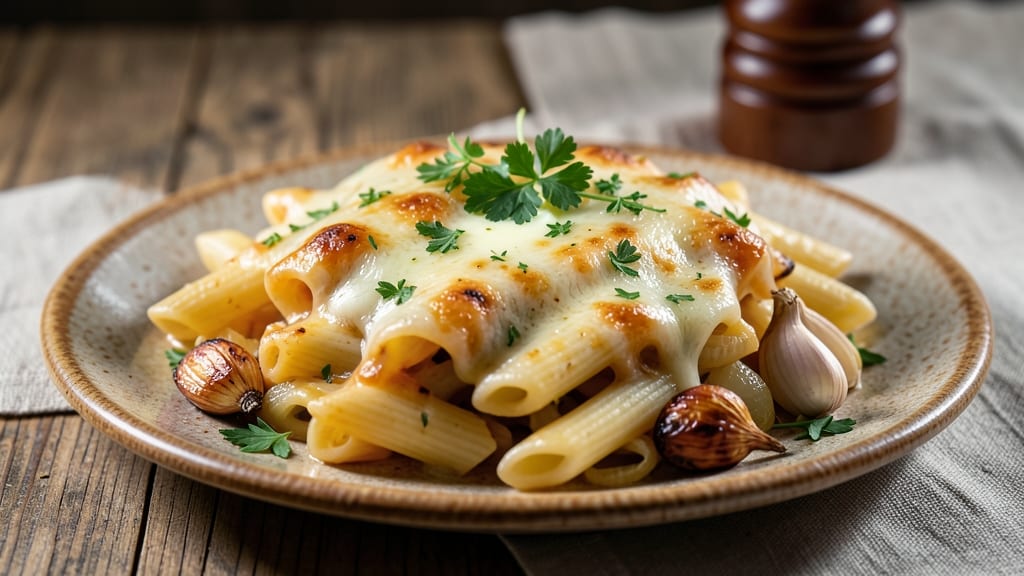
This baked cheese penne pasta delivers the perfect balance of crispy golden edges and gooey cheese rivers that pull apart with every bite. After years of experimenting with my grandmother's handwritten notes, I've perfected a method that guarantees restaurant-quality results without the fuss.
The secret lies in a precise oven technique that creates that coveted crispy top while keeping the cheese creamy inside.
What makes this recipe special is the combination of high-heat baking and a cheese blend that melts smoothly without separating. You'll start with perfectly cooked penne, then layer it with a creamy sauce and a generous topping of shredded mozzarella and parmesan.
The key is baking at high temperature initially to crisp the top, then finishing at a lower temperature to melt the cheese properly.
By the time it emerges from the oven, you'll have a dish that looks like it came from an Italian trattoria—golden, bubbling, and impossible to resist. The crispy edges provide just enough contrast to the creamy, cheesy interior, making each bite a perfect balance of textures.
This is comfort food at its finest, ready in about 45 minutes with minimal effort.
Serve with a simple side salad or garlic bread to soak up every last bit of that delicious cheese sauce. The beauty of this recipe is its versatility—it works as a main dish for family dinners or a crowd-pleasing centerpiece for gatherings. Here's how to make it perfectly every time.
Ingredients for baked cheese penne pasta
Twelve essential ingredients transform into crispy-edged, gooey-cheese perfection every time.
| Ingredient | Amount | Notes |
|---|---|---|
| Penne Pasta 🍝 | 12 oz | Dry, high-quality brand preferred |
| Unsalted Butter 🧈 | ½ cup | Cold, cut into pieces |
| Heavy Cream 🥛 | ½ cup | Full-fat for creaminess |
| Whole Milk 🥛 | ¼ cup | Warmed slightly |
| Garlic Cloves 🧄 | 4 cloves | Minced, fresh preferred |
| Yellow Onion 🧅 | 1 whole | Medium size, finely diced |
| Dried Oregano 🍃 | 1 tsp | Italian variety preferred |
| Ground Black Pepper 🌶️ | ½ tsp | Freshly ground |
| Kosher Salt 🧂 | 1 ½ tsp | Diamond Crystal preferred |
| Shredded Mozzarella Cheese 🧀 | 2 cups | Part-skim for balance |
| Freshly Grated Parmesan Cheese 🧀 | ½ cup | Block preferred, not pre-grated |
| Extra-Virgin Olive Oil 🫒 | 1 tbsp | For drizzling |
| Fresh Basil Leaves 🌿 | ¼ cup | Chopped, for garnish |
The cheese blend is non-negotiable for that perfect pull-apart texture. Freshly grated Parmesan from a block adds depth—pre-grated lacks the same richness. For mozzarella, part-skim strikes the balance between creaminess and crispiness. I always buy Whole Foods brand shredded cheese since it's consistently high-quality and free from anti-caking agents that can dry out the sauce. The butter should be cold when you start—this ensures it creates steam during baking, which is crucial for that crispy top. If you're using a lower-fat cheese, add an extra tablespoon of heavy cream to compensate for moisture loss during baking.
No heavy cream? Full-fat Greek yogurt works in a pinch, though the texture will be slightly tangier. Short on Parmesan? Pecorino Romano has a sharper bite that complements the dish beautifully. Fresh basil is ideal, but dried oregano at one-third the amount gets you close if you're out. The onion and garlic can be swapped for asparagus or zucchini**> for a lighter version, though they won't crisp as dramatically. For the pasta, De Cecco or Barilla brands hold up best to the high-heat baking without becoming mushy. If you prefer a gluten-free option, gluten-free penne**> works but requires slightly more cheese to achieve the same richness.
This dish reheats beautifully—just cover with foil and warm in a 350°F oven for 10 minutes. The crispy top is best enjoyed immediately, but the cheesy interior keeps well. Store leftovers in an airtight container for up to 4 days in the fridge, though I rarely have any last that long. For make-ahead prep, assemble the dish (without baking) up to 24 hours ahead, then bake straight from the fridge—just add 5 minutes to the cooking time. The basil should be added fresh after baking to preserve its vibrant color and aroma.
Why You'll Love This Recipe
- I’ll be real: this recipe costs next to nothing but tastes like you spent hours in the kitchen. Penne, butter, milk, and garlic? That’s it. No specialty ingredients, no markup—just pure, comforting flavor that makes even a simple weeknight feel special. Leftovers? Even better.
- One-Pan Magic: I swear by this recipe when I’m too tired to wash dishes—just toss everything in one baking dish, cover it, and let the oven do the work. The penne soaks up that creamy milk-butter sauce while the garlic infuses every bite, and honestly? That’s all the effort you need.
- Cheesy-Garlic Bliss: The moment you pull it out of the oven, the aroma hits you like a warm hug. The butter and heavy cream create this velvety sauce that clings to the penne, while the roasted garlic adds a deep, savory punch—no fancy seasoning required. (Yes, even on a Tuesday night.)
- Lunchbox Hero: Between us, this is my go-to for meal prep because it reheats like a dream. Pack it in containers for work lunches or school lunches—kids (and adults) will actually eat it cold or warmed up. The penne stays al dente, and the cheese stays melty, no matter how many times you microwave it.
Step-by-step instructions for baked cheese penne pasta
Master this technique for perfectly crispy edges and gooey cheese rivers every time.
Cook the Pasta Al Dente
Bring a large pot of water to a rolling boil and add 12 oz penne pasta. Season generously with 1 tsp kosher salt—the water should taste like seawater. Cook for 2 minutes less than package instructions for al dente texture. Reserve 1 cup pasta water before draining, then return the pasta to the pot and toss with 1 tbsp extra-virgin olive oil to prevent sticking.
This step is critical—undercooked pasta absorbs sauce better and maintains its shape when baked. The reserved pasta water acts as a binder later, ensuring the cheese sauce clings perfectly. Drain any excess water after tossing with olive oil to prevent a soggy final result.
Build the Cheese Sauce
In a large bowl, combine the cooked pasta with 0.5 cup unsalted butter, 0.5 cup heavy cream, 0.25 cup whole milk, 4 cloves minced garlic cloves, 1 whole yellow onion (finely diced), 1 tsp dried oregano, and 0.5 tsp ground black pepper. Mix thoroughly until the butter melts completely and the ingredients are evenly distributed.
Here's the thing—warm the milk slightly before adding it to prevent butter seizing. The butter should melt into a creamy base that coats the pasta evenly. If the mixture seems dry, add 2-3 tablespoons of reserved pasta water to create a smooth, sauce-like consistency. This ensures the cheese melts properly during baking.
Layer and Assemble the Bake
Transfer the pasta mixture to a 9x13-inch baking dish, spreading it evenly into a single layer. Sprinkle 2 cups shredded mozzarella cheese and 0.5 cup freshly grated parmesan cheese evenly over the top. The cheese should cover the pasta completely—this creates those signature gooey rivers when baked.
For the crispy top, press down gently on the cheese layer with a spatula to compact it slightly. This prevents the cheese from spreading too much during baking and ensures a golden, crackly crust. Don't skip this step—it's what delivers that restaurant-quality texture.
Bake to Golden Perfection
Preheat your oven to 375°F. Bake the pasta for 20-25 minutes until the top is deep golden brown and the edges are crispy. Watch closely after 15 minutes—ovens vary, and you want the cheese to melt completely without burning.
If the top browns too quickly, tent loosely with aluminum foil for the last 5-10 minutes to prevent over-browning while still allowing the cheese to melt. The internal temperature should reach 165°F at the thickest part of the casserole. Remove from the oven and let rest for 5 minutes before serving—this allows the cheese to set slightly for easier slicing.
Garnish and Serve
Drizzle with an additional 1 tbsp extra-virgin olive oil and sprinkle with 0.25 cup chopped fresh basil leaves. Serve immediately with a side salad or garlic bread to soak up any remaining cheese sauce.
The pasta should have a crispy, golden crust on top with rivers of melted cheese throughout. Each bite should deliver creamy, al dente pasta with rich, cheesy flavor. If the sauce seems too thick when serving, stir in a splash of reserved pasta water to loosen it to your desired consistency.
Pro Tips For Making Baked Cheese Penne Pasta
- Preheat That Pan: Slather your baking dish with butter before preheating the oven—this isn’t just for flavor, it’s for adhesion. I used to skip it, and my cheese sauce would pool at the bottom like a sad, melted puddle. A thin layer of butter (about 1 tablespoon) means the pasta clings instead of sticking in clumps when you flip it.
- Toast the Garlic Right: Sauté those garlic cloves in butter until they’re golden, not brown—you want nutty, not bitter. I learned this the hard way after burning a batch and tasting that awful, acrid bite. Keep the heat medium-low, and pull them out just as they start to smell sweet. No need to rush; patience here keeps the whole dish balanced.
- Mix the Cream Cold: Whisk your heavy cream and milk cold before adding it to the hot pasta. I was skeptical until I tried it—now I swear by it. Cold dairy blends smoother, prevents curdling, and gives that creamy sauce a velvety finish instead of a grainy one. Just pour it in slowly while stirring like your life depends on it.
- Bake Covered, Then Uncover: Start with the foil on for the first 15 minutes to let the cheese melt evenly, then uncover and broil for 2-3 minutes. This two-step move guarantees a bubbly, golden top without burning the cheese on top. I used to broil it too long and end up with a sad, dry crust—don’t make my mistake.
Wine and beer pairings for baked cheese penne pasta
Italian White Wine
This dish pairs beautifully with a crisp Italian white wine like Pinot Grigio from Alto Adige or Vermentino from Sardinia. The bright acidity cuts through the richness of the cheese while complementing the garlic and basil notes.
I always reach for a bottle of Santa Margherita Pinot Grigio—its citrusy finish refreshes your palate after each bite. 🍷
Full-Bodied Red Options
For red wine lovers, a medium-bodied Chianti Classico or Sangiovese works wonderfully. The earthy, slightly tart flavors balance the creamy cheese without overpowering it. I prefer a Castello di Volpaia Chianti—its cherry notes harmonize with the tomato undertones in the sauce. Serve it slightly chilled to enhance its freshness.
Craft Beer Pairings
A crisp Italian lager like Peroni or Moretti is my go-to beer pairing. The light carbonation and subtle malt sweetness cleanse your palate between bites. For something more adventurous, try a Belgian witbier with its citrusy coriander notes—it adds a fun contrast to the dish.
Avoid heavy IPAs or stouts, which can clash with the delicate cheese flavors.
Light and Refreshing
If you prefer something lighter, a Sparkling Prosecco from Veneto adds a festive touch. The bubbles and slight sweetness make this dish feel extra special, especially for gatherings. I like La Marca Prosecco—it's affordable yet elegant, and the acidity keeps the meal feeling fresh.
This pairing works particularly well if you're serving the pasta as an appetizer or light main course.
Non-Alcoholic Options
Don't overlook non-alcoholic choices! A sparkling blood orange soda like San Pellegrino Aranciata adds a citrusy zing that complements the basil and garlic. For something more substantial, try a cucumber-mint infused water with a splash of lemon juice—it refreshes your palate and balances the richness.
I often make this with thin cucumber slices and a few fresh mint leaves for a spa-like experience. 💫
Nutrition facts
Frequently asked questions
Can I use a different type of pasta for this recipe?
Penne works best because its shape holds the cheese sauce beautifully, but you can substitute with rigatoni or fettuccine if needed. Avoid long pasta like spaghetti—it won't distribute evenly in the baking dish. For gluten-free options, use gluten-free penne, but add an extra 1/4 cup heavy cream to compensate for moisture loss during baking.
Why did my cheese sauce turn oily instead of creamy?
This usually happens when the cheese melts too quickly or the butter separates. To fix it, warm the milk slightly before mixing and ensure the butter melts completely into the pasta. If it happens during baking, tent the dish with foil for the last 5-10 minutes to slow the melting process. The key is a gradual bake—never let the oven get too hot too fast.
Can I make this ahead of time for a party?
Assemble the dish (without baking) up to 24 hours ahead and refrigerate in an airtight container. When ready to bake, let it sit at room temperature for 30 minutes before baking at 375°F for 25-30 minutes. Add 5 extra minutes to the baking time since it starts cold. The cheese will still melt beautifully, and the crispy top will form perfectly.
What's the best way to reheat leftovers?
Cover the baked pasta with foil and reheat in a 350°F oven for 10-15 minutes until warmed through. The crispy top won't be as crispy after reheating, but the cheese will still be creamy. For microwave reheating, use 30-second intervals on medium power, stirring between each interval. Avoid reheating in the oven without foil—it can dry out the pasta.
Can I add other ingredients like chicken or veggies?
Yes! For extra protein, add 1 cup cooked chicken breast (diced) to the pasta mixture. For veggies, try 1/2 cup diced bell peppers or 1 cup spinach—just make sure they're fully cooked before mixing. Avoid watery veggies like zucchini or tomatoes, as they can make the sauce too thin. If adding veggies, reduce the cheese by 1/4 cup to balance the moisture.