
Appetizers
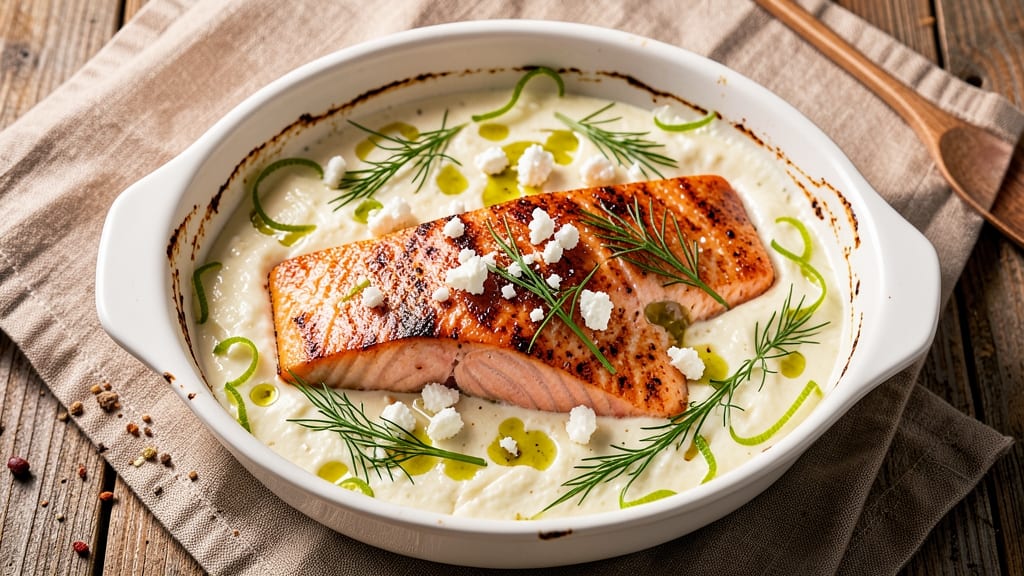
This baked cheese salmon recipe transforms simple ingredients into a restaurant-worthy dish with a golden crust and creamy center—ready in just 20 minutes. The secret lies in the perfect balance of melted cheese and tender salmon, creating a dish that’s both elegant and effortless.
I developed this recipe after years of perfecting the art of baking salmon, ensuring every bite delivers rich flavor without the fuss.
The magic happens when you top the salmon with a blend of cream cheese and feta, which melts into a luscious, golden crust while keeping the inside perfectly flaky.
This method works for both beginners and experienced cooks, as the cheese acts as a built-in basting agent, locking in moisture and enhancing the natural richness of the fish. The result? A dish that’s creamy, savory, and impossible to resist.
Pair this salmon with roasted asparagus or a fresh arugula salad to create a well-rounded meal that’s as nutritious as it is delicious. The cheese adds a luxurious touch without overpowering the delicate flavor of the salmon, making it a standout dish for any occasion.
Whether you're cooking for a weeknight dinner or a special gathering, this recipe delivers foolproof results every time.
What sets this recipe apart is its versatility—it’s pescatarian-friendly, packed with protein, and easy to customize with your favorite herbs or spices. The key is baking at the right temperature and timing, ensuring the cheese melts smoothly while the salmon stays tender. Let’s get started on creating this showstopping dish!
Ingredients for baked cheese salmon
Simple ingredients that deliver restaurant-quality salmon with a golden cheese crust and creamy center.
| Ingredient | Amount | Notes |
|---|---|---|
| Fresh Atlantic Salmon Fillets 🐟 | 4 whole | Skin-on, 6-8 oz each, center-cut |
| Cream Cheese 🧀 | 8 oz | Full-fat, room temperature |
| Crumbled Feta Cheese 🧀 | ½ cup | Mediterranean blend preferred |
| Extra-Virgin Olive Oil 🫒 | 2 tbsp | Light fruity variety |
| Fresh Lemon 🍋 | 1 whole | Zest and juice only |
| Garlic Cloves 🧄 | 3 cloves | Minced, fresh preferred |
| Fresh Dill 🌿 | ¼ cup | Chopped, stems removed |
| Diamond Crystal Kosher Salt 🧂 | 1 tsp | For seasoning, plus extra |
| Ground Black Pepper 🌶️ | ½ tsp | Freshly cracked |
| Panko Breadcrumbs 🍞 | ¼ cup | For extra crunch |
| Unsalted Butter 🧈 | 1 tbsp | Melted for basting |
| Fresh Asparagus 🌱 | 1 lb | Trimmed, for pairing |
The salmon fillets are the foundation—look for center-cut pieces with even thickness for consistent cooking. Wild-caught Atlantic has the best texture, but any fresh, skin-on fillet works. I always buy mine from Whole Foods or my local fishmonger when they have the Mediterranean blend—it's worth the extra dollar. The cheese combo is key: full-fat cream cheese ensures richness, while Mediterranean feta adds that tangy depth. Room temperature cheese melts more evenly, so take them out of the fridge 15 minutes before starting. For the dill, I grab the freshest bunch I can find—it's worth buying a larger bunch if it means using half for garnish later.
No cream cheese? Greek yogurt or mascarpone works in a pinch (reduce by 1 tbsp). Feta too salty? Rinse it briefly under cold water before crumbling. The panko adds texture, but crushed cornflakes or almond flour are great substitutes if you're avoiding gluten. For the olive oil, don't skimp—California extra-virgin has the perfect balance of fruitiness without overpowering. The lemon zest is non-negotiable though—it brightens the whole dish. If you're short on time, the asparagus can be swapped for green beans or zucchini, but I find asparagus pairs perfectly with the creamy salmon flavor. The butter is just for basting, but if you're watching calories, olive oil spray works just as well.
Salmon stays fresh for 2 days in the fridge if wrapped tightly in parchment paper. The cheese mixture can be prepped ahead and stored in an airtight container for up to 24 hours, though it's best used fresh. Asparagus keeps for 5 days in the crisper drawer. I always make extra cheese mixture—it reheats beautifully for salmon wraps the next day. For leftovers, store in a shallow container with a damp paper towel to keep the salmon moist. This dish reheats best in a skillet with a splash of water to steam it gently.
Why You'll Love This Recipe
- One-Pan Magic: I swear by this recipe because it’s literally dump-and-bake. No chopping boards, no mess—just spread the cream cheese, sprinkle feta, drizzle olive oil, and pop it in. The salmon cooks while you’re still deciding what to drink with it.
- Creamy Crispy Contrast: That golden crust on the outside? Pure perfection. The feta melts into gooey pockets while the salmon stays tender, and the lemon zest cuts through the richness like a bright little hug. Honestly, I’ve never met a cheese-salmon combo I didn’t love.
- Weeknight to Dinner Party: Between us, this is my go-to for lazy nights and when I actually dress up. Serve it with crusty bread for a casual meal, or add a fancy salad for guests—no one will guess it took 20 minutes. (Yes, even on a Tuesday night.)
- Leftovers That Don’t Suck: Most baked salmon turns into sad, dry fish the next day. Not this one. The cheese keeps it moist, so I meal prep portions and reheat them in seconds. Even my kid who hates fish asks for it cold in a wrap—no joke.
Step-by-step instructions for baked cheese salmon
Here's how to create a restaurant-quality salmon with a golden crust and creamy interior every time.
Prepare the Cheese Mixture
In a medium bowl, combine the 8 oz cream cheese and 0.5 cup crumbled feta cheese until smooth. Add 2 tbsp extra-virgin olive oil, 3 cloves minced garlic cloves, 0.25 cup chopped fresh dill, 1 tsp Diamond Crystal kosher salt, and 0.5 tsp ground black pepper. Mix thoroughly until fully incorporated and the texture is uniform. This blend will create the rich, creamy center that makes this dish so special.
I like to use a rubber spatula for this step—it helps scrape up any cheese that clings to the bowl. The mixture should be thick enough to hold its shape when spooned but still spreadable. If it feels too stiff, add 1 teaspoon of the lemon juice from the whole fresh lemon to loosen it slightly. Cover and set aside while you prepare the salmon.
Season and Coat the Salmon
Pat the 4 whole fresh Atlantic salmon fillets dry with paper towels—this is crucial for achieving that perfect golden crust. Season both sides generously with any remaining Diamond Crystal kosher salt and ground black pepper. Then, spread a thin layer of the cheese mixture evenly over each fillet, leaving about ¼ inch uncovered around the edges.
Next, sprinkle the 0.25 cup panko breadcrumbs evenly over the cheese-coated salmon. Press them gently but firmly so they adhere well. This step creates the crispy exterior that contrasts beautifully with the creamy interior. I press down gently with my fingers to ensure even coverage—don't skip this, as it makes all the difference in texture.
Prepare the Asparagus and Bake
Preheat your oven to 400°F. While it heats, trim the 1 lb fresh asparagus by snapping off the woody ends. Toss the asparagus with 1 tbsp melted unsalted butter and a pinch of Diamond Crystal kosher salt. Spread them on a separate baking sheet lined with parchment paper.
Place the prepared salmon fillets on another parchment-lined baking sheet, skin-side down. This helps the skin crisp up nicely while protecting the delicate fillets. Bake for 12-15 minutes until the salmon flakes easily with a fork and the edges are golden brown. The cheese mixture should be bubbly and set in the center.
Finish with Lemon and Serve
Remove the salmon from the oven and let it rest for 3-5 minutes. While it rests, zest the whole fresh lemon and squeeze out about 2 tablespoons of juice. Spoon the lemon juice over each fillet and sprinkle with the zest. This bright citrus note cuts through the richness of the cheese and adds a fresh finish.
Garnish each serving with additional chopped fresh dill and serve immediately with the baked asparagus. The contrast of crispy panko, creamy cheese, and tender salmon makes every bite satisfying. The asparagus should be bright green and tender-crisp, complementing the rich salmon perfectly.
Pro Tips For Making Baked Cheese Salmon
- Preheat Like It Matters: Your oven needs to hit 375°F (190°C) and sit for 10 minutes before the salmon goes in—no exceptions. I learned this the hard way when my cheese topping turned into a sad, greasy mess instead of golden and bubbly. That extra heat ensures the salmon cooks evenly while the cheese crusts properly.
- Pat Dry, Then Salt: Wrap the salmon in paper towels and press firmly to remove all moisture, then season with salt right after. Wet skin = steam = rubbery fish. My grandmother swore by this, and she was right: the crust on the cheese topping will stick better, and the salmon won’t turn out soggy.
- Mix Cheeses First: Combine the cream cheese and feta before spreading it on the salmon—this prevents lumps and ensures even melting. I was skeptical until I tried it: the texture becomes silky, not grainy, and the lemon zest (if you’re adding it) blends in smoothly. Skip this step, and you’ll get chewy bits where you don’t want them.
- Cover with Foil Early: As soon as the cheese starts bubbling (around 12-15 minutes), tent the salmon with foil to trap steam. This keeps the salmon moist while the cheese finishes melting—no more dry edges or overcooked fish. I know, I know, but trust the process: it’s the thing that matters most for juicy results.
Essential equipment for this dish
Baking Sheet Essentials
You’ll need two rimmed baking sheets (12x17 inches) for this recipe—one for the salmon and one for the asparagus. I recommend All-Clad Stainless Steel sheets because they distribute heat evenly and resist warping.
For budget-friendly options, USA Pan Heavy Gauge sheets work just as well. Line both sheets with parchment paper to prevent sticking and make cleanup effortless. 🌟
Oven Thermometer
Oven temperatures can vary, so I always use a Thermoworks Oven Thermometer to ensure accuracy. Place it near the salmon while baking—your oven might run 25°F hotter or cooler than the set temperature. This small investment prevents overcooked or undercooked salmon. For a cheaper alternative, Meater+ also works well.
Cheese Mixing Tools
A medium mixing bowl (8 cups) and a rubber spatula are essential for blending the cheese mixture smoothly. I prefer OXO Good Grips tools—they’re durable and easy to clean.
For mincing garlic, a Microplane is faster than a knife, and for dill, I use sharp kitchen shears to chop stems cleanly. These tools ensure even texture and flavor distribution.
Salmon Prep Tools
Pat the salmon dry with paper towels—this is non-negotiable for crispiness. Use high-quality kitchen towels like Bambu (they absorb moisture better than paper towels). For pressing the panko, a small offset spatula or your fingers work best. Avoid metal utensils—they can tear the delicate fillets.
Basting Brush
A silicon basting brush (like OXO Good Grips) helps spread melted butter on the asparagus evenly. It’s gentler than a regular brush and won’t leave bristle marks.
For extra crispiness, I brush the salmon edges with olive oil during the last 2 minutes of baking. This adds a golden finish without overcooking the fish.
Nutrition facts
Frequently asked questions
Can I use this recipe with frozen salmon?
Fresh salmon works best for this recipe, but if you must use frozen, thaw it completely in the refrigerator for 24 hours first. Never use cold salmon straight from the freezer—the temperature difference can cause uneven cooking and ruin the texture. Pat it very dry before seasoning to compensate for any excess moisture from thawing.
What if I don't have cream cheese?
No problem! Substitute with 8 oz mascarpone cheese or Greek yogurt (reduce by 1 tbsp liquid). For a tangier flavor, try ricotta mixed with 1 tbsp lemon juice. The key is keeping the mixture thick enough to hold its shape when spread on the salmon.
How do I know when the salmon is fully cooked?
The salmon is done when it reaches an internal temperature of 145°F and flakes easily with a fork. For visual cues, look for opaque flesh that pulls away cleanly from the skin, and golden brown edges where the cheese meets the panko. The cheese should be bubbly but not runny.
Can I make this recipe ahead of time?
Prepare the cheese mixture up to 24 hours ahead and store it in an airtight container. The salmon itself should be baked fresh—reheating baked salmon with cheese can make it rubbery. For make-ahead meals, consider baking the salmon without the cheese topping, then adding it fresh before serving.
What's the best way to reheat leftovers?
If you have leftovers (unlikely—this disappears fast!), reheat gently in a skillet over medium-low heat for 2-3 minutes per side with a splash of water. Never microwave—it makes the cheese greasy. For the asparagus, warm it in the same pan for 1 minute to maintain crispness.