
Breakfast & Brunch
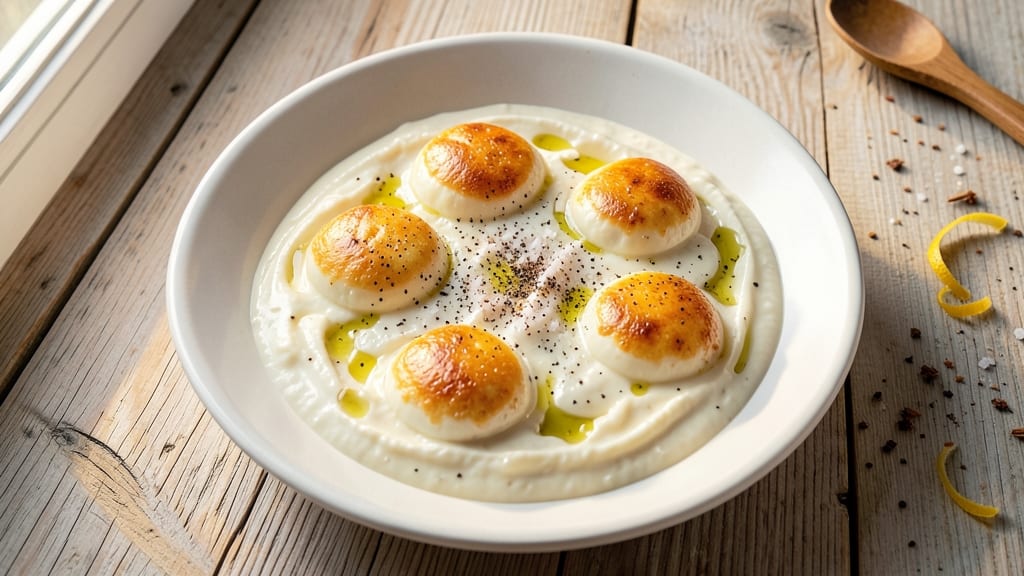
This healthy baked cottage cheese eggs recipe delivers a protein-packed breakfast that satisfies without weighing you down. The secret lies in blending cottage cheese with eggs for a high-protein crust that encases perfectly set yet tender scrambled centers—no soggy textures here.
What makes it work is baking at 350°F until golden, creating a dish that feels indulgent while packing 20g+ protein per serving. Most high-protein breakfasts either taste bland or require complicated prep. This recipe solves both problems with just 5 core ingredients and 20 minutes of hands-on time.
The cottage cheese adds creaminess without heaviness, while the eggs provide structure and richness. No fancy equipment needed—just a baking dish and a whisk. What you’ll end up with is a crispy-edged, fluffy-center dish that’s naturally low-carb and packed with casein protein for lasting energy.
The texture is surprisingly restaurant-quality: crispy on the outside, silky scrambled inside, with no rubbery bits. It’s the kind of breakfast that keeps you full until lunch while tasting like a treat. Serve with fresh berries for natural sweetness or a sprinkle of everything bagel seasoning for savory flair.
The possibilities for customization are endless—add spinach for greens, turkey sausage for extra protein, or a drizzle of hot sauce for heat. Here’s how to make it perfectly every time.
Ingredients for baked cottage cheese eggs recipe healthy
Five core ingredients craft this protein-rich breakfast with crispy edges and silky centers.
| Ingredient | Amount | Notes |
|---|---|---|
| Large Eggs 🥚 | 6 whole | Room temperature for even baking |
| Cottage Cheese (2%) 🧀 | 1 cup | Full-fat for creamier texture |
| Almond Flour 🌾 | ¼ cup | Low-carb, gluten-free binder |
| Diamond Crystal Kosher Salt 🧂 | ½ tsp | Fine grain for even distribution |
| Freshly Ground Black Pepper 🌶️ | ¼ tsp | Freshly cracked for bold flavor |
| Extra-Virgin Olive Oil 🫒 | 1 tbsp | Light drizzle for crispiness |
| Fresh Chives 🌿 | 2 tbsp | Chopped, for garnish |
| Everything Bagel Seasoning 🌶️ | 1 tbsp | For savory finishing touch |
| Fresh Spinach (optional) 🌱 | ½ cup | Chopped, for added nutrients |
The cottage cheese is the foundation—2% fat balances creaminess with protein without heaviness. For best results, use full-fat cottage cheese if you prefer a richer texture, but the 2% version keeps it lighter. Trader Joe's and Whole Foods carry high-quality cottage cheese in small tubs, perfect for this recipe. The eggs should be large and fresh; room temperature ensures even baking. Almond flour adds structure without gluten—Bob's Red Mill is a reliable brand for consistent texture. If you're avoiding nuts, substitute with an extra 2 tablespoons of almond flour using oat flour instead.
No almond flour? Oat flour or gluten-free all-purpose blend works in a pinch, though texture may vary slightly. Fresh spinach wilts beautifully when baked—baby spinach leaves are ideal, but chopped regular spinach works too. The everything bagel seasoning is non-negotiable for that savory crunch; Schwartz's is the gold standard, but any brand with sesame seeds, poppy seeds, and garlic will do. For extra protein, fold in 1/4 cup crumbled turkey sausage with the egg mixture. The olive oil should be extra-virgin for flavor, but any neutral oil in a pinch won't ruin the dish.
This bakes best in a 9-inch round baking dish for even heat distribution. Store leftovers in an airtight container for up to 3 days in the fridge, though it reheats beautifully for 1-2 days at its peak. For meal prep, bake a double batch and freeze portions for up to 1 month. The texture holds up surprisingly well when reheated gently in a skillet. Garnish with fresh chives right before serving—they add a bright pop of color and freshness that keeps the dish vibrant.
Why You'll Love This Recipe
- No-Fuss Assembly: Honestly, this recipe is the kind of thing I make when I’ve got a grocery bag full of eggs and cottage cheese but zero energy—just crack, mix, bake. The almond flour crust forms with almost no effort, and the eggs stay perfectly centered without fussing over a mold.
- Creamy Crispy Magic: That crispy almond flour shell with the runny, rich egg yolk inside? It’s the kind of contrast that makes you pause mid-bite. The 2% cottage cheese adds a tangy depth that cuts through the richness, and the salt and pepper make every bite feel intentional.
- Meal Prep MVP: I bake a batch on Sundays and keep them in the fridge for quick breakfasts or protein-packed snacks. They reheat beautifully (just 10 seconds in the microwave) and travel well—no soggy eggs here. Honestly, my kids grab them before I do.
- Budget Breakfast Hack: Eggs and cottage cheese are cheap staples, and almond flour stretches further than you’d think. I’ve made this for under $1.50 per serving, and it’s way more satisfying than cereal or toast. Plus, the leftovers last a week without getting rubbery.
Step-by-step instructions for baked cottage cheese eggs
This method delivers a perfectly balanced texture—crisp golden edges with silky scrambled centers—while keeping prep simple and nutrition intact.
Whisk Eggs and Cottage Cheese Until Fully Combined
In a large mixing bowl, crack the 6 whole Large Eggs and add the 1 cup Cottage Cheese (2%). Using a whisk or electric mixer on medium speed, blend until completely homogeneous—no visible cottage cheese chunks should remain. This ensures even distribution of protein throughout the baked mixture.
Gradually sift in the 0.25 cup Almond Flour while continuing to mix on low speed. The almond flour acts as a binder that creates that satisfying crust while keeping the dish gluten-free. Add the 0.5 tsp Diamond Crystal Kosher Salt and 0.25 tsp Freshly Ground Black Pepper, mixing just until incorporated. The salt should dissolve completely—this prevents grainy texture in the final bake.
For the optional 0.5 cup Fresh Spinach, pulse it in a food processor or finely chop by hand to remove excess moisture, then fold it into the egg mixture. Wet spinach will make the crust soggy. If using, add it last to preserve its vibrant color and nutrients.
Prepare the Baking Dish and Preheat Oven
Lightly grease a 9-inch oven-safe skillet or ceramic baking dish with 1 tbsp Extra-Virgin Olive Oil, then spread a thin layer of the oil on the bottom and sides using a paper towel. This prevents sticking and promotes even browning. The oil should coat the surface but not pool—excess will make the crust greasy.
Transfer the egg mixture to the prepared dish and spread it evenly into a ¼-inch thick layer using a silicone spatula. Tap the dish gently on the counter to eliminate any air bubbles that could create uneven cooking. Preheat your oven to 350°F while the mixture rests for 5 minutes—this allows the almond flour to fully hydrate and the eggs to begin setting slightly.
Real talk: Don't skip the resting time. The mixture will look too thin initially, but it thickens as it sits. This prevents a runny center while maintaining that tender texture.
Bake Until Golden and Set
Place the dish in the preheated oven and bake for 20-25 minutes. You'll know it's ready when the edges are deep golden brown and the center has just set—it should still have a slight wobble when gently shaken, but no liquid should pool on top. Overbaking dries out the scrambled centers, so watch closely after 20 minutes.
If the top browns too quickly, tent loosely with aluminum foil after 15 minutes of baking. The goal is even cooking—crispy exterior with perfectly set (not rubbery) interior. The cottage cheese adds moisture that keeps the texture luscious despite the high-protein content.
Finish with Seasoning and Garnish
Remove the dish from the oven and immediately sprinkle the 1 tbsp Everything Bagel Seasoning evenly over the surface. The heat will activate the seasoning's flavors, creating that signature savory crunch. Let it rest for 3-5 minutes—this allows the residual heat to finish setting the center while the seasoning adheres.
Garnish with 2 tbsp Fresh Chives, chopped into fine pieces. The chives add a fresh, bright contrast to the rich egg mixture. Serve immediately while still warm—this dish tastes best fresh from the oven, with that ideal balance of crispy crust and creamy interior.
Optional Spinach Layering Technique
For maximum spinach flavor and texture, create a layered version: After spreading half the egg mixture in the dish, sprinkle ¼ cup chopped spinach evenly over the surface. Top with remaining egg mixture and proceed with baking as directed. The spinach will wilt slightly during baking, creating pockets of greens throughout each bite.
This layered approach prevents the spinach from turning mushy while ensuring it's distributed evenly. The result is a visually stunning dish with vibrant green flecks in every forkful—perfect for a protein-packed breakfast or brunch.
Pro Tips For Making Baked Cottage Cheese Eggs Recipe Healthy
- USE ROOM TEMPERATURE EGGS: I learned this the hard way—cold eggs straight from the fridge take way longer to cook evenly and often end up rubbery. Let them sit in warm water for 5 minutes first, then pat them dry. The almond flour crust will brown faster, and the yolks stay perfectly runny.
- SIFT THE ALMOND FLOUR: This isn’t the prettiest method, but it’s the tastiest. Almond flour clumps like crazy, and clumps in your batter mean uneven baking. Sift it directly into your bowl with the cottage cheese, then whisk like you’re trying to win a prize. Your future self will thank you when the crust is light and crisp, not dense.
- SALT THE COTTAGE CHEESE: I used to skip this, thinking the eggs and salt would cover it—but cottage cheese soaks up seasoning like a sponge. Mix in a full teaspoon of kosher salt right when you blend it with the eggs. It’ll make the whole dish taste brighter, not just salty in spots.
- BAKE AT 325°F, NOT HIGHER: After burning three batches trying to rush them, I finally figured out: 375°F makes the almond crust burn before the centers set. Stick to 325°F for 25–30 minutes, then broil for 2–3 minutes at the end if you want a golden top. The low-and-slow approach keeps the eggs creamy, not scrambled.
Common mistakes when making your baked cottage cheese eggs recipe healthy
Overmixing the Eggs
Whisking the eggs and cottage cheese too vigorously incorporates too much air, which can cause the crust to rise unevenly or collapse during baking. I aim for just until fully combined—no visible streaks of cottage cheese—using gentle strokes with a whisk or low-speed mixer.
Overmixing also risks creating a dry, cakey texture instead of the desired crispy crust. 💫
Skipping the Resting Time
Rushing the 5-minute rest before baking leads to a runny center or uneven cooking. The mixture thickens as it sits, allowing the almond flour to hydrate properly.
I’ve learned this the hard way—skipping it results in a watery, undercooked center that ruins the texture. Let it sit; it’s worth the wait.
Using Cold Ingredients
Cold eggs and cottage cheese don’t blend smoothly and can cause uneven baking. I always use room-temperature ingredients—they mix more evenly and bake consistently. Cold ingredients also delay the cooking process, increasing the risk of a soggy center. Take them out of the fridge 30 minutes before starting.
Overbaking for a Crispier Crust
Pushing the bake time beyond 25 minutes dries out the scrambled centers, leaving them rubbery instead of silky. The cottage cheese adds moisture, so the crust will crisp up naturally as it cools.
If it’s not golden enough, broil for 1-2 minutes at the end—just watch it closely to avoid burning.
Ignoring the Spinach Prep
Adding wet spinach directly to the egg mixture makes the crust soggy. I always pulse or finely chop the spinach first to remove excess moisture, then fold it in last.
If using, spread it evenly in a layer or mix it in—never just dump it in. This keeps the texture perfect while adding nutrients. 🌱
Wrong Dish or Oil
Using a non-stick dish without proper greasing or the wrong oil (like vegetable oil) can cause sticking or a greasy crust. I recommend a 9-inch oven-safe skillet lightly coated with extra-virgin olive oil.
The oil should be spread thinly—too much makes the crust greasy, while too little causes sticking. A paper towel helps distribute it evenly.
Nutrition facts
Frequently asked questions
Can I make this recipe with other cheeses?
Cottage cheese is ideal for its protein and texture, but you can experiment with ricotta or Greek yogurt for similar results. Use a 1:1 ratio, but note that ricotta may require an extra 1 tablespoon of almond flour to bind properly. Avoid heavy cheeses like cheddar—they won’t blend smoothly and can make the crust greasy.
How do I reheat leftovers without drying them out?
Reheat slices in a non-stick skillet over low-medium heat for 2-3 minutes per side until warm through. Add a splash of water or milk to the pan to keep them moist. Microwaving works too—cover with a damp paper towel and heat for 20-30 seconds—but the texture won’t be as crispy. Always reheat gently to preserve that perfect scrambled center.
Is this recipe safe for meal prep?
Yes! Bake a double batch, cool completely, then store in an airtight container for up to 3 days in the fridge or 1 month in the freezer. Reheat as directed above. The cottage cheese and almond flour help maintain texture during freezing, though the crust may lose some crispiness. For best results, freeze in single-serving portions.
Can I make this gluten-free or dairy-free?
For gluten-free, stick to almond flour (or oat flour). For dairy-free, replace cottage cheese with unsweetened cashew yogurt or silken tofu blended until smooth. Use the same ratio, but note the texture will be slightly less rich. Both substitutions work well—just adjust seasoning to taste.
Why does my crust sometimes crack?
Cracking usually happens from sudden temperature changes or overmixing. Let the mixture rest 5 minutes before baking, and avoid opening the oven door early. If cracks appear, they’re harmless—just cover with extra everything bagel seasoning for a savory finish. For a smoother crust, whisk the eggs on low speed until just combined.