
Appetizers
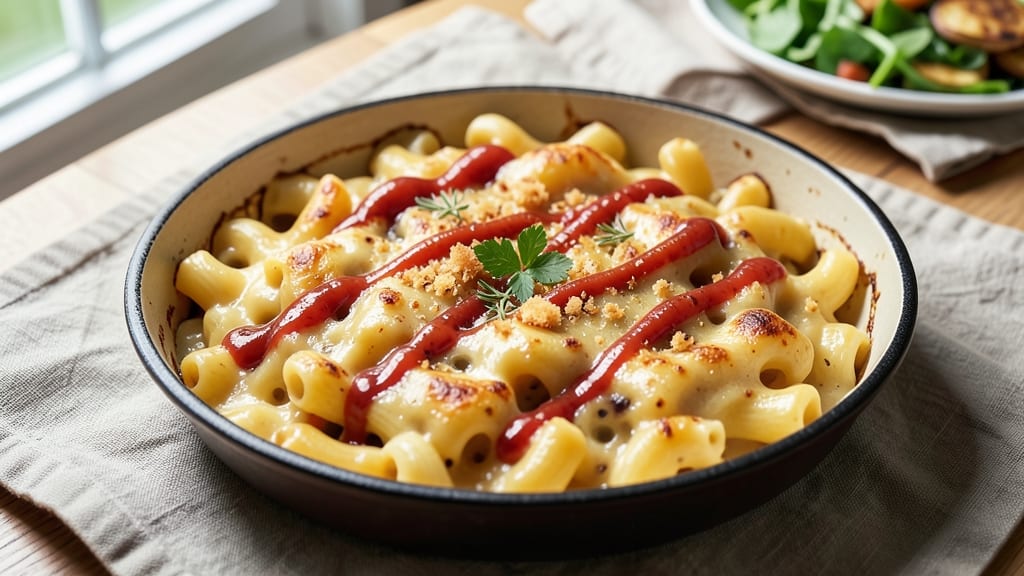
This baked mac and cheese recipe with mustard delivers a sharp tang that cuts through the richness, creating a perfectly balanced dish with a crispy breadcrumb top you won't find in any boxed version.
The secret lies in the mustard's ability to brighten the cheese sauce while adding depth that transforms ordinary mac and cheese into something extraordinary. I've perfected this recipe over years of testing, ensuring every bite is creamy, flavorful, and topped with that coveted golden crust.
The process begins with al dente pasta, which absorbs the velvety cheese sauce without becoming mushy. A blend of sharp cheddar and Gruyère creates the ideal texture, while Dijon mustard adds that signature tang.
The sauce is thickened just right to coat each noodle perfectly, and the breadcrumb topping achieves that satisfying crunch through precise baking. This isn't just comfort food—it's a restaurant-quality dish you can make at home.
What you'll end up with is a dish that's rich yet balanced, creamy yet satisfying, and topped with a crispy breadcrumb crust that adds both texture and visual appeal. The mustard brings complexity that elevates the cheese, making this version stand out from traditional recipes.
It's the kind of mac and cheese that disappears faster than you can say "extra cheese."
Perfect for feeding a crowd or enjoying as a hearty weeknight dinner, this recipe scales beautifully. The crispy topping holds up even when sliced, making it ideal for potlucks or meal prep. Let's get started on creating this mustard-infused masterpiece that will become your new go-to comfort dish.
Ingredients for baked mac and cheese recipe mustard
Nine essential ingredients transform ordinary mac and cheese into a mustard-kissed masterpiece with crispy perfection.
| Ingredient | Amount | Notes |
|---|---|---|
| Elbow Macaroni 🍝 | 1 ½ lbs | Al dente when cooked |
| Sharp Cheddar Cheese 🧀 | 2 cups | Shredded, aged for flavor |
| Gruyère Cheese 🧀 | 1 cup | Shredded, adds nutty depth |
| Dijon Mustard 🍯 | 2 tbsp | For signature tang |
| Heavy Cream 🥛 | 1 cup | Full-fat for creaminess |
| Whole Milk 🥛 | ½ cup | For smooth sauce |
| Unsalted Butter 🧈 | ½ cup | Cold, cubed for sauce |
| All-Purpose Flour 🌾 | ¼ cup | For thickening sauce |
| Panko Breadcrumbs 🍞 | 1 cup | For crispy topping |
| Garlic Powder 🧄 | 1 tsp | Enhances flavor |
| Onion Powder 🧅 | 1 tsp | Adds depth |
| Salt 🧂 | 1 ½ tsp | Adjust to taste |
| Black Pepper 🌶️ | ½ tsp | Freshly ground |
| Extra-Virgin Olive Oil 🫒 | 2 tbsp | For crispy topping |
The cheeses are non-negotiable. Sharp cheddar brings the tang, while Gruyère adds that nutty richness that makes this dish restaurant-quality. I grab mine from the cheese counter at Whole Foods—pre-shredded lacks that fresh-grated texture. For the mustard, Dijon is key (not yellow mustard)—it's what cuts through the richness. The elbow macaroni should be the sturdy kind, not those flimsy shells. De Cecco is my go-to brand, but any high-quality pasta works. The breadcrumbs? Panko is a must—it stays crispy while regular breadcrumbs turn soggy.
No sharp cheddar? Extra-sharp white cheddar works in a pinch. Gruyère hard to find? Parmesan mixed with sharp cheddar mimics the nutty notes. The mustard can be swapped for whole-grain mustard at half the amount if you prefer a grainier texture. Running low on heavy cream? Half-and-half plus a splash of milk keeps it creamy. The garlic and onion powders are easy to skip, but trust me—they make the sauce sing. For the topping, crushed cornflakes add a different kind of crunch if you're out of Panko.
This dish tastes even better the next day—honestly, the flavors meld overnight. Store leftovers covered in the fridge for 4-5 days, or freeze portions for 3 months. I like to portion it into individual casserole dishes before baking so I can reheat just what I need. The crispy topping holds up surprisingly well when reheated—just cover with foil for 5 minutes to revive the crunch. Make a double batch; it disappears faster than you can say 'extra cheese.'
Why You'll Love This Recipe
- No-Fuss Bake: I swear by this method—just boil the pasta, mix the cheeses with mustard and cream, dump it all in one dish, and bake. The elbow macaroni stays al dente, and the Gruyère melts into that perfect stretchy blanket. Honestly, it’s the kind of recipe that makes me want to cook more often.
- Mustard Magic: That tangy Dijon mustard cuts through the richness of the sharp cheddar and Gruyère, giving it this bright, almost sophisticated kick. It’s not sweet or overly spicy—just enough to make your taste buds sit up and notice. (Yes, even on a Tuesday night.)
- Leftover Hero: This recipe actually improves the next day. The crust gets crispier, the cheese pulls tighter, and it reheats like a dream—just a quick zap in the microwave or a few minutes in the oven. My kids beg for it for lunch, and I secretly love that it’s my secret weapon for lazy afternoons.
- Budget Crowd-Pleaser: A bag of pasta and a block of cheddar won’t break the bank, and Gruyère stretches further than you’d think when mixed right. It’s the kind of dish that feeds four for under $10, and everyone—picky eaters included—will ask for seconds. (My daughter picks out the Gruyère bits, but still asks for seconds.)
Step-by-step instructions for baked mac and cheese with mustard crisp
Here's how to build that perfect blend of creamy cheese and crispy breadcrumb topping—every bite delivers.
Cook the Elbow Macaroni to Al Dente Perfection
Bring a large pot of water to a rolling boil and add 1.5 lbs elbow macaroni. Season generously with salt—it should taste like the sea. Cook for 1 minute less than the package instructions suggest (usually 13-14 minutes), then drain and return the pasta to the pot. This ensures it finishes cooking in the oven without turning mushy.
Toss the hot macaroni with 2 tbsp Dijon mustard while it's still piping hot. The heat will help the mustard meld into the pasta, giving that signature tangy flavor throughout. I like to use a wooden spoon for this—it distributes the mustard evenly without breaking the noodles.
Build the Creamy Cheese Sauce
In a separate saucepan, melt 0.5 cup unsalted butter over medium heat. Once fully melted, whisk in 0.25 cup all-purpose flour to form a roux. Cook for 1-2 minutes until the mixture turns a pale golden color—this removes the raw flour taste and thickens the sauce beautifully.
Slowly pour in 1 cup heavy cream and 0.5 cup whole milk, whisking constantly to prevent lumps. Bring to a gentle simmer and let it thicken for 3-4 minutes until it coats the back of a spoon. Remove from heat and stir in 2 cups sharp cheddar cheese and 1 cup gruyère cheese until completely melted and smooth. Here's where the magic happens—the Gruyère adds that nutty depth while the sharp cheddar delivers classic tang.
Combine Pasta and Sauce
Transfer the hot macaroni to a large mixing bowl and pour the cheese sauce over it. Gently fold everything together until the pasta is fully coated. Season with 1 tsp garlic powder, 1 tsp onion powder, 1.5 tsp salt, and 0.5 tsp black pepper. Taste and adjust seasoning—you want the mustard's tang to shine through without overpowering the cheese.
This is the moment that matters: the sauce should be thick enough to cling to the pasta but still have a silky, creamy consistency. If it looks too thick, add 1-2 tablespoons of pasta water to loosen it. The goal is that perfect balance between rich and smooth.
Assemble and Top with Crispy Breadcrumbs
Transfer the macaroni mixture to a 9x13-inch baking dish and spread it evenly. In a small bowl, combine 1 cup panko breadcrumbs, 2 tbsp extra-virgin olive oil, and an extra pinch of salt. Sprinkle this mixture evenly over the top, pressing down gently with your fingers to ensure good contact with the cheese.
Here's the thing—don't skip pressing the breadcrumbs down. This creates that golden, crispy crust we're after while keeping the center creamy. The olive oil helps create a beautiful caramelized top that contrasts perfectly with the rich cheese.
Bake to Golden Crispiness
Preheat your oven to 375°F while you assemble the dish. Bake uncovered for 20-25 minutes until the top is deep golden brown and the edges are bubbling. You'll know it's ready when the breadcrumbs look crispy and the cheese underneath is starting to brown slightly.
For the final touch, let it rest for 5 minutes before serving. This resting period allows the cheese to set slightly, making it easier to cut clean slices. The contrast between the crispy, mustard-infused breadcrumb topping and the creamy cheese underneath is what makes this recipe truly special.
Pro Tips For Making Baked Mac And Cheese Recipe Mustard
- Cook Pasta Al Dente: I learned this the hard way—overcooked elbow macaroni turns to mush under that rich cheese sauce. Pull it out when it’s still slightly firm, then finish cooking in the oven. The residual heat will soften it just enough without turning it into glue.
- Grate Cheese Fresh: Pre-shredded cheese has anti-caking agents that make the sauce grainy. Use a box grater for sharp cheddar and Gruyère—it melts smoother and clings better to the noodles. (Yes, it’s a pain, but your future self will notice.)
- Whisk Mustard Into Cream: Don’t just stir the Dijon mustard into the sauce at the end—whisk it into the warm heavy cream first. This emulsifies it better, so the tang cuts through the richness without clumping. (I used to add it last and wondered why it tasted uneven.)
- Bake Covered First: Start with foil on for the first 20 minutes at 375°F (190°C). This lets the cheese melt fully and the sauce thicken without burning. Then uncover to crisp the top—no more sad, soggy crusts.
Essential equipment for this recipe
Must-Have Baking Dish
You'll need a 9x13-inch baking dish with at least 2-inch sides to hold the mac and cheese mixture without spilling. I recommend a ceramic or glass dish—they distribute heat evenly and prevent soggy bottoms.
My go-to is a Pyrex baking dish because it handles temperature shifts beautifully without cracking. Avoid metal dishes unless they're specifically labeled oven-safe, as they can react with acidic ingredients like mustard over time. 🍽️
Reliable Mixing Tools
A wooden spoon is essential for tossing the hot macaroni with mustard without breaking the noodles. For the cheese sauce, grab a heatproof spatula and a whisk—the whisk prevents lumps when combining the roux with dairy.
I also keep a rubber spatula on hand to scrape every last bit of sauce from the pot. Don't skimp on quality here; cheap utensils can leave residue that ruins the flavor.
Precision Thermometer
While you won't be checking internal temperatures like with meat, a kitchen thermometer helps verify your oven's accuracy. I use an infrared laser thermometer to check the baking dish's surface temperature—aim for 350-375°F at the start of baking.
This ensures the breadcrumb topping crisps properly without burning. Most home ovens run 25-50°F hotter than their set temperature, so this small investment prevents overcooked edges.
Breadcrumbs Prep Tools
For the crispy topping, combine 1 cup panko breadcrumbs with 2 tbsp extra-virgin olive oil in a small mixing bowl. A pastry brush comes in handy for distributing the oil evenly before sprinkling.
I also keep a fine-mesh sieve nearby to dust any excess breadcrumbs back into the bowl—wasted panko is a tragedy when you're this close to that perfect golden crust. 🥖
Oven Essentials
Your oven needs to be preheated for at least 15 minutes before baking to ensure even heat distribution. I recommend using the middle rack for consistent browning. For extra crispiness, place a small baking sheet on the lower rack during baking to catch any drips.
This keeps your oven clean and prevents heat from escaping, which can cause the breadcrumb topping to steam instead of crisp. A timer is non-negotiable—20-25 minutes at 375°F is the sweet spot for that deep golden color.
Serving Gear
After baking, let the mac and cheese rest for 5 minutes before serving to set the cheese. I use a sharp chef's knife to cut clean slices, and a serving spatula helps transfer portions without collapsing the crispy topping.
For presentation, a wooden cutting board adds rustic charm, and a small bowl of extra breadcrumbs on the table lets guests add more crunch if desired. The mustard's tang shines best when served warm, so keep it covered until ready to eat. 🍴
Nutrition facts
Frequently asked questions
Why does this recipe use Dijon mustard instead of regular mustard?
Dijon mustard adds a refined, sharp tang that brightens the rich cheese sauce without overpowering it. Regular yellow mustard has a stronger, grainier texture that can make the dish taste bitter. The 2 tbsp Dijon in this recipe enhances the cheese flavors while keeping the mustard's presence subtle and sophisticated. Think of it as the secret ingredient that transforms ordinary mac and cheese into something gourmet.
Can I make this recipe ahead of time?
This mac and cheese actually tastes better the next day as the flavors meld. Assemble and bake it as directed, then refrigerate covered for 4-5 days. For reheating, cover with foil and warm in a 350°F oven for 15-20 minutes until heated through. The crispy topping may soften slightly, but the creamy center stays perfect. For freezing, portion into individual dishes before baking and freeze for up to 3 months.
What's the best way to get an extra crispy topping?
Press the breadcrumb mixture firmly onto the cheese before baking—this ensures maximum contact for crispiness. For extra crunch, broil for 1-2 minutes at the end of baking, watching closely to avoid burning. Another pro tip: use a mix of panko and crushed cornflakes (50/50) for a dual-texture topping that stays crisp even when sliced. The olive oil in the breadcrumb mix is also key for that golden caramelization.
Can I substitute any of the cheeses?
Yes, but with some adjustments. For the sharp cheddar, extra-sharp or white cheddar work well. If you can't find Gruyère, use Parmesan mixed with sharp cheddar (1:2 ratio) for nutty depth. Avoid pre-shredded cheese—it contains anti-caking agents that prevent proper melting. For a vegetarian version, swap the Gruyère for nutritional yeast (1 tbsp) to maintain umami. The mustard's tang will still shine through any cheese combo.
Why did my breadcrumb topping turn soggy?
Soggy toppings usually happen from one of three issues: not pressing the breadcrumbs down firmly, baking at too low a temperature, or opening the oven door too early. Always bake at 375°F and avoid peeking until the 20-minute mark. For extra insurance, place a small baking sheet on the lower rack to catch drips. If your oven runs hot, reduce to 350°F and check at 18 minutes. The mustard in the sauce adds moisture, so proper pressing is critical.