
Breakfast & Brunch
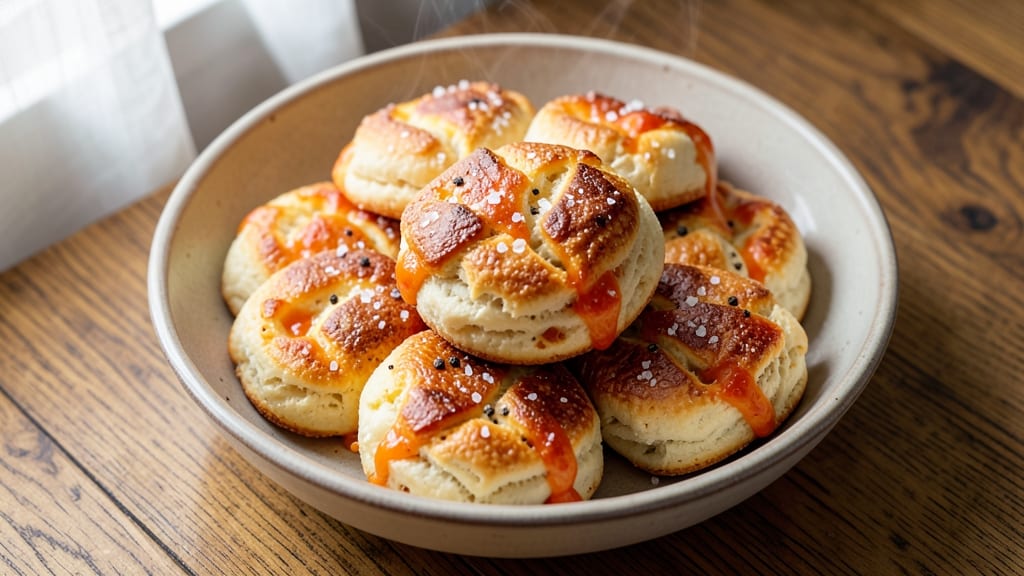
This baking powder cheese biscuits recipe delivers the perfect balance of flaky layers, tender crumb, and sharp cheddar flavor—no fuss, just foolproof results. The secret lies in cutting cold butter into the dough and folding in sharp cheddar for that signature tangy bite.
I’ve perfected this method over years of weekend breakfasts, and it never fails to impress.
What sets these biscuits apart is the high-ratio baking powder that creates lift without overworking the dough. You’ll mix dry ingredients first, then cut in cold butter until pea-sized crumbs form—this ensures those coveted flaky layers.
The cheese adds richness and a subtle sharpness that pairs beautifully with butter or gravy.
By the time they emerge from the oven, you’ll have golden, crisp-edged biscuits with a tender interior and just the right amount of cheesy pull. The aroma alone will have everyone at the table asking for seconds.
These biscuits are sturdy enough for gravy dipping but delicate enough to enjoy on their own with jam or honey.
Best of all, this recipe comes together in under 30 minutes—ideal for lazy weekend mornings or holiday brunches. Let’s get baking! The flaky, buttery, cheesy perfection is just a few steps away.
Ingredients for baking powder cheese biscuits
Flaky layers start with these simple, quality ingredients—sharp cheddar and cold butter are non-negotiable.
| Ingredient | Amount | Notes |
|---|---|---|
| All-Purpose Flour 🌾 | 3 cups | Sifted for light texture |
| Sharp Cheddar Cheese 🧀 | 1 ½ cups | Shredded, block preferred |
| Cold Unsalted Butter 🧈 | ½ cup | Cut into cubes, not softened |
| High-Ratio Baking Powder 🧂 | 1 ½ tbsp | For maximum lift |
| Granulated Sugar 🍚 | 1 tbsp | Balances cheddar sharpness |
| Diamond Crystal Kosher Salt 🧂 | 1 tsp | Fine grain preferred |
| Whole Milk 🥛 | ½ cup | Room temperature |
| Garlic Powder 🧄 | ½ tsp | Enhances cheddar flavor |
| Black Pepper 🌶️ | ½ tsp | Freshly ground preferred |
| Baking Soda 🧂 | ½ tsp | Complements baking powder |
| Cornmeal 🌽 | ¼ cup | For crispy bottom crust |
The butter and cheese make or break these biscuits. Use European-style butter from Land O'Lakes or Plugrá—it has higher fat content for flakiness. For cheese, Kraft Natural or Cabot work perfectly, but sharp white cheddar from a specialty shop elevates them. Keep everything cold until mixing—warm butter leads to tough biscuits. The flour? King Arthur or Gold Medal are reliable choices. Sift the dry ingredients first to avoid dense biscuits.
No sharp cheddar? Pepper jack or Gruyère add different but delicious flavors. Running low on butter? Coconut oil works in a pinch (use same amount), though it lacks the rich flavor. The baking powder is crucial—double-acting types like Rumford are ideal. For a gluten-free version, swap flour for a 1:1 blend like Bob's Red Mill, but texture will differ. The cornmeal isn't just for coating—it adds a subtle crunch that pairs perfectly with the buttery layers.
Store any leftovers in an airtight container for 2-3 days—they reheat beautifully in a 350°F oven for 5-7 minutes. Freeze extras by wrapping individually in parchment paper for up to 3 months. The secret to reheating? A sprinkle of water on the bottom of the pan creates steam for crispy edges. These biscuits also freeze perfectly raw—just bake straight from frozen, adding 2-3 minutes to the time.
Why You'll Love This Recipe
- I swear by the 3-step method: cut butter into flour, fold in cheese, then boom—no rolling required. The high-ratio baking powder does all the work while I’m still scraping the bowl.
- No-Fuss Mixing: I swear by the 3-step method: cut butter into flour, fold in cheese, then boom—no rolling required. The high-ratio baking powder does all the work while I’m still scraping the bowl.
- Cheese Pull Factor: That sharp cheddar? It’s the star. The first bite delivers a salty, melty hit, but the sugar in the dough keeps it from being too heavy—like a hug from a Southern grandma, but in biscuit form.
- Breakfast to Brunch: Serve them warm with scrambled eggs for a lazy weekend, or freeze a batch to thaw and toast alongside sausage on a weeknight. (Yes, even on a Tuesday night.)
Step-by-step instructions for baking powder cheese biscuits
Master the art of flaky, buttery layers with these precise instructions—every detail ensures perfect texture.
Combine Dry Ingredients for Maximum Flakiness
In a large mixing bowl, whisk together the 3 cups All-Purpose Flour, 1.5 tbsp High-Ratio Baking Powder, 1 tsp Diamond Crystal Kosher Salt, 0.5 tsp Garlic Powder, 0.5 tsp Black Pepper, and 0.5 tsp Baking Soda. Sift the flour first to eliminate lumps—this creates light, airy biscuits. I use a whisk for 30 seconds to distribute the baking powder evenly throughout the flour. Uneven distribution leads to dense spots instead of flaky layers.
Next, add the 1.5 cups Sharp Cheddar Cheese and 1 tbsp Granulated Sugar to the dry mixture. Use your fingers to gently break up any cheese clumps and work it into the flour until just combined. The sugar balances the sharpness of the cheddar while adding subtle sweetness. Avoid overmixing—just until the cheese is evenly distributed. This step ensures each bite delivers that perfect cheddar flavor without overpowering the buttery texture.
Cut in Cold Butter for Layers
Add the 0.5 cup Cold Unsalted Butter, cut into cubes, to the dry mixture. Using a pastry cutter or two forks, work the butter into the flour until the mixture resembles coarse crumbs with pea-sized butter pieces remaining. The butter must stay cold—this creates steam during baking, which separates the layers into flaky sheets. If the butter starts to soften, chill the mixture for 10 minutes before proceeding.
Here's the thing—don't overwork the dough. Once the butter is evenly distributed, stop mixing. Overmixing develops gluten, which makes biscuits tough instead of tender. The ideal texture should look like wet sand with visible butter pieces. This ensures those signature flaky layers when baked.
Add Milk and Cornmeal for Structure
Pour in the 0.5 cup Whole Milk and gently stir with a fork until the dough just comes together. The mixture should hold when pressed but still feel slightly shaggy. Add the 0.25 cup Cornmeal to the bowl and toss the dough to coat evenly. The cornmeal creates that coveted crispy bottom crust while adding a subtle texture contrast. If the dough feels too dry, add 1 teaspoon more milk at a time until it holds together when pressed.
Turn the dough out onto a lightly floured surface and gently knead 2-3 times just to bring it together. Don't overwork it—this is where many home cooks go wrong. The dough should be soft but not sticky. Divide into 4 equal portions (about 8 ounces each) and roll each into a 1-inch thick round. Place on a parchment-lined baking sheet and flatten slightly to about ½-inch thick—this ensures even baking and that perfect rise.
Bake Until Golden and Crisp
Preheat your oven to 425°F with a baking sheet inside while it heats. This ensures even heat distribution. Bake the biscuits for 12-15 minutes until they're golden brown on top and the edges are set. The bottoms should be crispy, and when you tap them lightly, they should sound hollow. I press down gently on the top of each biscuit during the first 5 minutes of baking—this prevents them from doming too much and ensures even contact with the hot pan.
If you notice the tops browning too quickly before the centers are done, tent the biscuits loosely with foil for the last 3-5 minutes of baking. The internal temperature should reach 190-200°F when measured with an instant-read thermometer. This guarantees they're fully cooked through while maintaining that perfect flaky texture. Remove from the oven and let rest for 2 minutes before serving—this allows the layers to set properly.
Serve Warm with Gravy or Jam
Transfer the biscuits to a wire rack to cool for 5 minutes. Serve immediately while still warm—they're best enjoyed straight from the oven. The combination of crispy bottoms, flaky layers, and melted cheddar creates a texture that's simply irresistible. Pair with homemade sausage gravy, honey butter, or your favorite jam for the ultimate breakfast or brunch experience.
Real talk: If you slice one open right after baking, you'll see those beautiful, distinct layers that make these biscuits worth the effort. The secret lies in keeping everything cold, handling the dough gently, and baking at high heat. Follow these steps precisely, and you'll achieve restaurant-quality cheese biscuits every single time.
Pro Tips For Making Baking Powder Cheese Biscuits
- CHILL THE DOUGH: I learned this the hard way—skipping the fridge for even 10 minutes means your biscuits will spread like pancakes instead of rising tall. Wrap the dough in plastic and let it rest for at least 30 minutes before cutting. The cold butter needs time to firm up, or you’ll end up with dense, greasy biscuits instead of flaky layers.
- GRATE THE CHEESE FINE: Sharp cheddar in big chunks? That’s a texture disaster. Pulse it in a food processor until it’s almost like powder—no visible flecks. This ensures even distribution and prevents dry, cheesy pockets while keeping the crumb tender. (Yes, even if you’re impatient like me, trust this step.)
- PAT THE DOUGH THIN: Don’t eyeball it—press each biscuit to about ½-inch thick, no thicker. Thicker dough means longer baking time, and that’s when cheese biscuits turn rubbery. Use the heel of your hand to flatten them firmly, but don’t overwork the dough. The goal is even thickness, not a workout.
- USE A LIGHT HAND WITH FLOUR: This isn’t the prettiest method, but it’s the tastiest: brush off excess flour after shaping, then dust the top with just a pinch more. Too much flour = tough biscuits. A light dusting keeps them crisp on the outside while staying soft inside. (Your future self will thank you when they’re not gummy.)
Troubleshooting your baking powder cheese biscuits
Dense or Flat Biscuits
If your biscuits turn out dense or flat instead of fluffy, the issue is likely overmixing the dough. Once the butter is incorporated, stop mixing immediately—even one extra turn can develop too much gluten.
I’ve found that using a pastry cutter or two forks and working quickly keeps the dough tender. Also, ensure your baking powder is fresh—old baking powder loses its lift. Test it by mixing 1 tsp with 2 tbsp water; it should bubble vigorously. If not, replace it! 🧂
Biscuits Spread Too Much
Excessive spreading usually happens when the dough is too warm or the butter melts prematurely. Always use cold butter straight from the fridge, and don’t let the dough sit at room temperature for too long.
If your biscuits spread into pancakes, try chilling the dough for 10-15 minutes before shaping. Another trick? Press the dough slightly thinner—about ½-inch thick—before baking to encourage upward rise rather than outward spread.
Cheese Not Melting Properly
For cheese to melt beautifully, it must be shredded finely and evenly distributed in the dough. I recommend using a box grater for uniform shreds, not pre-shredded cheese (it contains anti-caking agents that prevent melting).
If your cheese stays chunky, try folding in 1 tbsp extra milk to help it blend smoothly. Also, bake at 425°F—lower temps won’t melt the cheese fully. For extra gooeyness, sprinkle ½ tsp cornstarch over the cheese before mixing. ✨
Pale or Underbaked Centers
Pale centers mean the biscuits didn’t bake long enough or the oven wasn’t hot enough. Preheat your oven for at least 20 minutes and use an oven thermometer to confirm it’s at 425°F—many home ovens run 25-50°F cooler than set.
Bake until the internal temperature reaches 190-200°F (use an instant-read thermometer). If the tops brown too fast, tent loosely with foil for the last 3-5 minutes to finish cooking gently.
Buttery Taste Missing
If your biscuits lack buttery flavor, the butter might have melted too soon during mixing. Keep everything ice cold—even your mixing bowl and utensils. I like to chill my pastry cutter or forks in the freezer for 5 minutes before using.
Also, ensure you’re using unsalted butter (the salt content can vary). For extra richness, fold in 1 tbsp melted butter after shaping the biscuits, then chill for 10 minutes before baking. This creates a buttery "glaze" on the surface. 🧈
Nutrition facts
Frequently asked questions
Why do these cheese biscuits need baking powder instead of baking soda?
Baking powder provides both a leavening action and acidity to react with the cheese, creating flaky layers. Unlike baking soda (which needs acid like buttermilk), baking powder works alone here. The high-ratio type used in this recipe ensures maximum lift without overpowering the cheese flavor. For extra fluffiness, never substitute with baking soda alone—it’ll make dense biscuits!
Can I make these biscuits without cornmeal?
Yes, but you’ll lose that signature crispy bottom crust. Substitute with 2 tablespoons all-purpose flour or semolina for texture. For best results, use the cornmeal as directed—it adds a subtle crunch that pairs perfectly with the buttery layers and melted cheese.
How do I store cheese biscuits to keep them fresh?
Store in an airtight container at room temperature for 2-3 days—they reheat beautifully! For longer storage, freeze individually wrapped biscuits for up to 3 months. To reheat, sprinkle water on a baking sheet, place biscuits on top, and bake at 350°F for 5-7 minutes until crispy again. Never microwave—they’ll turn rubbery!
What’s the best cheese substitute if I don’t have sharp cheddar?
Try Gruyère for nutty depth or pepper jack for a spicy kick. Avoid pre-shredded cheese (it contains anti-caking agents that prevent melting). For a dairy-free option, use nutritional yeast or vegan cheese shreds—though texture will differ. Always shred fresh for that gooey melt!
Why do my biscuits spread instead of rise?
This usually happens when the dough is too warm or butter melts prematurely. Keep everything ice cold (even your mixing bowl) and chill the dough for 10 minutes before shaping. Press biscuits slightly thinner (½-inch thick) to encourage upward rise. Also, ensure your baking powder is fresh—old powder loses its lift!