
Sauces & Condiments
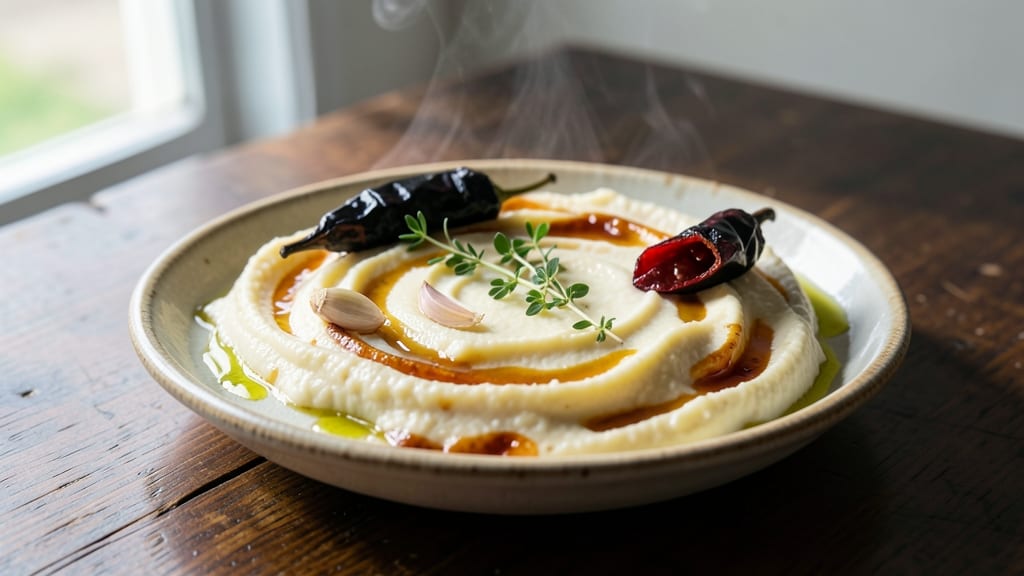
This Barbados cheese paste recipe transforms tangy cheddar into a fiery, spreadable condiment that brings Caribbean heat to every bite. The secret lies in balancing Scotch bonnet peppers' bold spice with creamy cheese and coconut oil for a thick, velvety texture perfect for dipping or topping.
I developed this recipe after craving that perfect blend of cheesy richness and tropical heat—now you can recreate it at home with just a few simple ingredients.
The magic happens when you blend sharp cheddar with roasted Scotch bonnet peppers and coconut oil, creating a paste that's both vibrant and deeply flavorful. Unlike store-bought spreads, this version delivers authentic Caribbean heat while maintaining a smooth, spreadable consistency.
The addition of garlic and thyme elevates the flavor profile, making it versatile enough for toast, sandwiches, or even as a bold dip for chips.
What makes this recipe truly special is its ability to transform ordinary meals into something extraordinary. The combination of spicy, tangy, and creamy creates a complex flavor that lingers, while the thick texture ensures it stays put—no messy drips here.
Whether you're looking to add a Caribbean twist to your breakfast toast or create a unique sandwich spread, this cheese paste delivers restaurant-quality flavor with minimal effort.
Best of all, it keeps beautifully in the refrigerator for up to two weeks, making it perfect for meal prep or gifting. Once you try this recipe, you'll never reach for plain butter or mayonnaise again—this is the kind of condiment that turns simple dishes into something truly memorable.
Ingredients for barbados cheese paste
Nine simple ingredients create this addictive Caribbean-inspired cheese paste bursting with spicy heat and creamy richness.
| Ingredient | Amount | Notes |
|---|---|---|
| Sharp Cheddar Cheese 🧀 | 8 oz | Aged 2+ years for tangy flavor |
| Scotch Bonnet Peppers 🌶️ | 2 whole | Roasted, seeds removed for heat control |
| Unsweetened Coconut Oil 🥥 | ½ cup | Melted for smooth texture |
| Garlic Cloves 🧄 | 3 cloves | Freshly minced for bold flavor |
| Fresh Thyme Leaves 🌿 | ¼ cup | Stems removed, finely chopped |
| Extra-Virgin Olive Oil 🫒 | 2 tbsp | For richness and binding |
| Lemon Juice 🍋 | 1 tbsp | Freshly squeezed for brightness |
| Salt 🧂 | 1 tsp | Diamond Crystal preferred |
| Black Pepper 🌶️ | ½ tsp | Freshly ground for heat |
The cheddar is non-negotiable—sharp, aged cheddar (like Cabot or Wisconsin cheddar) gives that perfect tang. Scotch bonnet peppers are the heart of this recipe, so grab them fresh at a Caribbean market or well-stocked grocery store. If you can't find them, Habanero peppers work in a pinch, but reduce the amount by half—they're milder. The coconut oil should be virgin and unrefined for the best flavor, and Trader Joe's or Whole Foods usually carry good options. Fresh thyme is ideal, but dried works at one-third the amount if you're in a bind.
No Scotch bonnet? Habanero or Thai bird's eye peppers bring similar heat, but start with one pepper and adjust to taste. The garlic can be roasted for a sweeter flavor—just wrap the cloves in foil and microwave for 30 seconds. For extra richness, swap half the olive oil for avocado oil. Want it smoother? Blend in 2 tbsp of Greek yogurt (or vegan yogurt for a dairy-free version). The lemon juice is key for brightness, so don't skip it—fresh is best, but bottled works in a squeeze. If you're sensitive to spice, remove the pepper seeds before roasting, but leave the membranes for flavor.
This paste keeps beautifully for 2 weeks in the fridge, sealed in an airtight container. For longer storage, portion into small jars and freeze for up to 3 months. The texture thickens as it chills, so let it sit at room temperature for 10 minutes before spreading. I love using it on toast with chili oil, as a sandwich spread, or even mixed into mac and cheese. The flavors only get better with time, so make a big batch—you'll want seconds!
Why You'll Love This Recipe
- No-Fuss Blend: I swear by this recipe because it’s literally three ingredients blended with heat—no melting, no straining, no mess. Just pulse the sharp cheddar, Scotch bonnet, and coconut oil until it’s smooth, and you’ve got a spread that’s ready in the time it takes to boil water.
- Heat & Cream Magic: That first bite? Sharp cheddar’s bite meets Scotch bonnet’s slow burn, balanced by coconut oil’s richness and thyme’s earthy whisper. Honestly, it’s the kind of flavor that makes you pause mid-bite—like a hug for your taste buds.
- Every Occasion Hero: Slather it on toast for breakfast, mix it into rice for dinner, or use it as a dip for veggies when friends drop by. Between us, I’ve even stuffed it into baked potatoes when I’m lazy. It works everywhere, and no one questions it.
- Pantry Goldmine: A block of cheddar and a few bonnets stretch this into weeks of meals—no waste, just flavor. I make a big batch, portion it, and freeze what I don’t use. Twenty bucks’ worth of ingredients turns into a month’s worth of easy, crave-worthy moments.
Step-by-step instructions for Barbados cheese paste
This bold, creamy spread delivers Caribbean heat with every bite—let's make it together.
Roast and Blend the Scotch Bonnet Peppers
Preheat your oven to 400°F. Place the 2 whole Scotch Bonnet peppers directly on a baking sheet and roast for 15-20 minutes, turning occasionally, until the skins blacken and blister in places. You'll see them puff slightly and smell that signature fruity, smoky aroma—this is your cue they're ready.
Transfer the peppers to a sealed plastic bag and let them steam for 10 minutes. Then carefully peel off the charred skins, remove all seeds and membranes (this controls the heat level), and chop the flesh into small pieces. I like to use my fingers for this—just be cautious, as the peppers will still pack a punch. Set aside for the next step.
Melt the Coconut Oil and Combine Ingredients
In a medium saucepan, melt the ½ cup unsweetened coconut oil over low heat until fully liquid but not smoking. Add the 3 cloves minced garlic and ¼ cup chopped fresh thyme leaves, stirring constantly for 1-2 minutes until fragrant. You'll notice the garlic softens and the thyme releases its piney aroma—this builds the aromatic foundation.
Remove from heat and let cool slightly for 2 minutes. Then stir in the chopped Scotch Bonnet peppers, 2 tablespoons extra-virgin olive oil, and 1 tablespoon lemon juice. The mixture will be vibrant red and smell intensely spicy—this is where the magic happens. Let it sit for 5 minutes to allow the flavors to meld.
Process the Cheese Paste to Perfection
Add the 8 oz sharp cheddar cheese (cut into ½-inch cubes for even melting) to the saucepan. Sprinkle with 1 teaspoon salt and ½ teaspoon black pepper, then stir over very low heat for 3-4 minutes until the cheese melts completely. You'll see it transform into a thick, glossy paste—this is your signal to stop heating.
For the smoothest texture, transfer the mixture to a food processor and pulse for 1-2 minutes until completely smooth. If it's too thick, add 1 teaspoon water at a time until it reaches a spreadable consistency. The final paste should be vibrant orange-red, creamy, and packed with complex flavors—smoky, tangy, and just spicy enough to wake up your taste buds.
Cool and Store for Maximum Flavor
Transfer the cheese paste to a clean glass jar and let it cool completely at room temperature for 1 hour. This resting period allows the flavors to fully develop and the texture to set properly. You'll notice the paste thickens slightly as it cools—this is normal and actually improves the texture.
Once cooled, seal the jar and refrigerate for up to 2 weeks. The flavors will continue to deepen over time, making this paste even more irresistible. Use it as a sandwich spread, dip for veggies, or mix into sauces for an instant Caribbean kick. Trust me, the first time you taste this, you'll want to make it again immediately!
Pro Tips For Making Barbados Cheese Paste
- Toast the Garlic: Melt the coconut oil first, then add whole garlic cloves and fry them on medium-low until they’re golden and smell like heaven—about 3-4 minutes. Overcooking turns them bitter, and you’ll taste it in every bite of that rich cheese paste. (Yes, even if you’re impatient like me.)
- Grate Cheese Fresh: Skip the pre-shredded stuff—it’s coated with anti-caking agents that make the paste grainy and less smooth. Use a box grater or food processor, then pulse the cheddar until it’s fine but not paste-like yet. You want texture, not glue.
- Handle Scotch Bonnets Carefully: Wear gloves when cutting those peppers—the oils will burn your skin like a mild acid. Also, remove the seeds and membranes after cutting, not before, or you’ll lose half the heat to the knife. Trust me, you don’t want your kitchen smelling like a fire station.
- Simmer Low and Slow: Once everything’s combined, keep the heat at a bare simmer—no boiling, no rushing. Let it cook for 10-12 minutes, stirring often, until the cheese fully melts and the flavors marry. Rushing this step makes the paste oily and uneven. (Your future self will notice.)
Essential equipment for this dish
Food Processor
This is my most essential tool for achieving that ultra-smooth, spreadable texture. A high-quality food processor like the Cuisinart DLC-2A handles the job beautifully, blending the cheese and peppers into a velvety paste without any graininess.
If you don’t have one, a blender works in a pinch, but you’ll need to pulse frequently and add a splash of water to help break down the cheese completely. 💫
High-Quality Cheese Grater
A fine-hole cheese grater (like the Microplane) makes quick work of prepping the 8 oz sharp cheddar for melting. Grating the cheese instead of cubing it ensures even melting and a smoother final texture.
If you’re short on time, you can cut the cheese into small cubes, but grating is my preferred method for consistency.
Oven and Baking Sheet
Roasting the Scotch bonnet peppers in the oven is key to developing their deep, smoky flavor. Any oven works, but I recommend a heavy-duty baking sheet (like USA Pan’s 18-inch sheet) to ensure even heat distribution.
If you’re roasting on the stovetop instead, use a cast-iron skillet for better control over the char.
Measuring Spoons and Scale
Precision is everything when balancing the spicy Scotch bonnet peppers with the creamy cheese.
A digital kitchen scale (like the OXO Good Grips) ensures you measure the 8 oz cheddar accurately, while stainless steel measuring spoons (like OXO’s set) help you nail the 1 tbsp lemon juice and ½ tsp black pepper without guesswork.
Even small deviations can throw off the flavor balance.
Glass Storage Jars
For storing your finished cheese paste, amber glass jars (like Le Parfait 16-ounce jars) are ideal—they protect the paste from light, which can degrade the flavor over time.
Mason jars work too, but opt for ones with airtight lids to keep the paste fresh for up to 2 weeks in the fridge. Label them with the date to track freshness!
Plastic Bag for Steaming
A sealed plastic bag (like Ziploc’s gallon-size) is a game-changer for steaming the roasted peppers. After roasting, place the peppers in the bag, seal it tightly, and let them steam for 10 minutes.
This makes peeling the skins effortless—no more struggling with stubborn char. Just be cautious when handling the hot peppers, even after steaming! 🌶️
Nutrition facts
Frequently asked questions
Can I substitute Scotch bonnet peppers with another type?
Yes, but adjust carefully! For milder heat, use Habanero peppers (start with 1 pepper and reduce seeds) or Thai bird's eye peppers (use half the amount). If you prefer no heat, omit them entirely and add 1 teaspoon smoked paprika instead for depth. Never use bell peppers—they lack the fruity, spicy backbone this recipe needs.
Why does my cheese paste turn out too thick or grainy?
Thickness happens when the cheese doesn't melt fully or the paste cools too quickly. For a smoother texture, pulse the mixture in a food processor for 2-3 minutes and add 1 teaspoon water at a time until spreadable. If grainy, melt the cheese over low heat longer or grate it finely before adding. The paste should be velvety, not crumbly.
How can I make this dairy-free?
Swap the cheddar for 8 oz firm tofu (pressed and crumbled) or vegan cheddar shreds. Use coconut oil as the only fat and add 1 tablespoon nutritional yeast for a cheesy flavor. The texture will be slightly lighter but still spreadable. For extra richness, stir in 2 tablespoons cashew cream at the end.
What are the best ways to use this cheese paste?
This versatile paste shines on toasted sourdough with chili oil, as a bold sandwich spread, or mixed into mac and cheese for a Caribbean twist. Try it as a dip for plantain chips or swirled into grilled shrimp sauce. For extra heat, drizzle with hot honey or sprinkle with crumbled feta. The possibilities are endless!
Can I freeze this cheese paste for later?
Portion into small airtight containers and freeze for up to 3 months. Thaw overnight in the fridge, then let it sit at room temperature for 10 minutes before using. The texture may separate slightly after freezing—just give it a quick pulse in the food processor to restore smoothness. Label with the date to track freshness.