
Soups & Stews
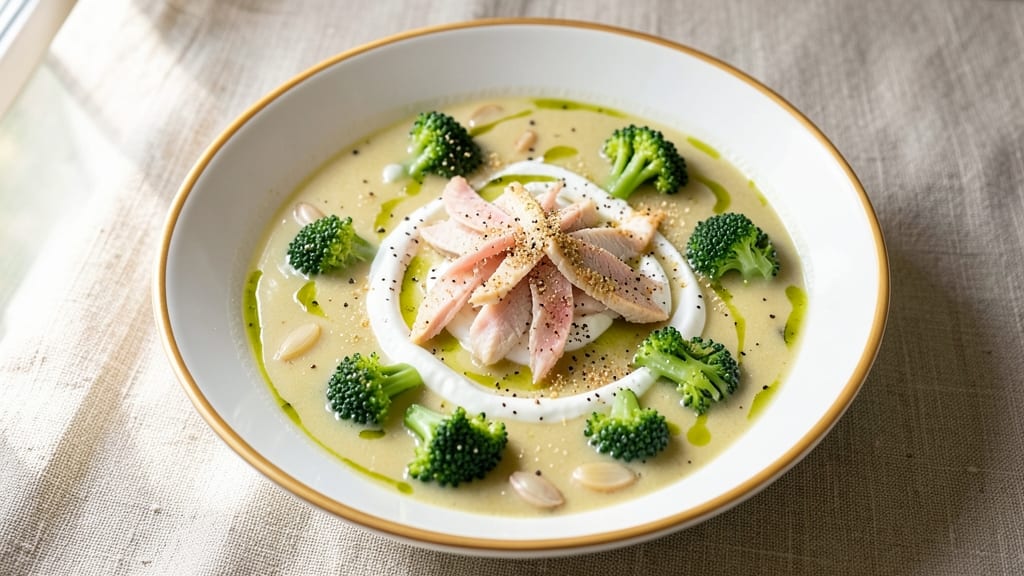
This bariatric broccoli cheese soup delivers all the comforting flavors of classic cheddar soup without the heavy cream or thickeners that can be hard to digest.
The secret lies in using Greek yogurt for creaminess, pureed chicken for protein, and blending the soup to a velvety texture that's gentle on sensitive stomachs while still satisfying.
I developed this recipe after struggling to find a version that met both nutritional needs and flavor expectations—now it's become a staple in my post-surgery meal rotation.
The base starts with steamed broccoli and low-sodium chicken broth, creating a flavorful foundation without excess salt or fat. Instead of flour or heavy cream, we use Greek yogurt to achieve that signature cheesy texture while keeping calories in check.
A touch of nutritional yeast adds that unmistakable cheesy depth without the dairy overload, and pureed chicken provides lean protein to help keep you full longer.
What makes this soup truly special is its versatility—you can adjust the blend to your preferred consistency, from completely smooth to slightly chunky. The recipe also includes options for adding cooked chicken or tofu for extra protein, making it adaptable to different dietary needs while maintaining its bariatric-friendly profile.
Each bowl delivers rich, savory flavor without the heaviness that can trigger discomfort.
Perfect for meal prepping or serving as a comforting lunch, this soup reheats beautifully and stays fresh in the refrigerator for up to five days. The portion sizes are designed to be satisfying yet appropriate for post-bariatric needs, ensuring you get the nutrition you require without overindulging.
Let's make this nourishing yet delicious soup that feels like a true comfort food.
Ingredients for bariatric broccoli cheese soup
Four cups of fresh broccoli and Greek yogurt create a velvety, protein-rich bariatric-friendly soup with cheesy depth.
| Ingredient | Amount | Notes |
|---|---|---|
| Fresh Broccoli Florets 🥦 | 4 cups | Steamed until tender-crisp |
| Low-Sodium Chicken Broth 💧 | 4 cups | Homemade or high-quality store-bought |
| Plain Nonfat Greek Yogurt 🍶 | ½ cup | Full-fat version for creaminess (optional) |
| Cooked Chicken Breast 🍗 | 1 cup | Pureed smooth for protein |
| Nutritional Yeast 🧂 | 2 tbsp | For cheesy depth without dairy |
| Extra-Virgin Olive Oil 🫒 | 1 tbsp | For sautéing aromatics |
| Garlic Cloves 🧄 | 2 cloves | Minced for aromatic base |
| Shallot 🧅 | ½ whole | Finely diced for subtle sweetness |
| Diamond Crystal Kosher Salt 🧂 | ½ tsp | Adjust to taste (low-sodium) |
| Ground Black Pepper 🌶️ | ¼ tsp | Freshly ground for brightness |
| Fresh Lemon Juice 🍋 | 1 tbsp | Brightens the flavor profile |
| Optional Cooked Chicken or Tofu 🍗 | ½ cup | For additional protein boost |
The broccoli is the star here—fresh florets (not frozen) give the best texture and flavor. I always grab the organic variety from Whole Foods or my local farmers market for that extra sweetness. The chicken broth should be low-sodium—no need for added salt later. For the Greek yogurt, plain nonfat keeps calories in check, but if you're craving creaminess, full-fat works too (just reduce slightly). The key is blending everything until silky smooth—no lumps allowed.
No Greek yogurt? Silken tofu blended with lemon juice mimics the texture beautifully. Short on chicken? Canned white beans or lentils add protein without bulk. Nutritional yeast is a game-changer for that cheesy flavor—Bob's Red Mill is my go-to brand. The lemon juice might seem small, but it cuts through the richness and brightens every spoonful. For extra protein, I often add shredded rotisserie chicken or crumbled tofu—whatever you've got on hand.
This soup reheats like a dream—just warm gently on the stove or microwave. Keeps for 5 days in the fridge, but honestly, it disappears faster than that. For meal prep, portion into 4-ounce containers—perfect for single servings. Freezes beautifully for 3 months, though the texture gets slightly grainier after thawing. Always taste before serving—adjust salt or lemon as needed.
Why You'll Love This Recipe
- No-Chop Needed: I swear by this trick—just toss whole broccoli florets into the broth, and they steam perfectly while you sauté. No knife skills required, and the stems get tender without turning mushy.
- Creamy Without Guilt: That Greek yogurt swirl? It’s the secret weapon—rich enough to feel indulgent, but light enough to keep portions small. Add a sprinkle of nutritional yeast right at the end, and suddenly it tastes like a cheesy hug.
- Post-Op Powerhouse: Between us, this is my go-to for bariatric patients recovering or maintaining their diet. The chicken breast adds lean protein, the broth keeps it hydrating, and the broccoli packs fiber—all while still feeling like a real meal.
- Leftover Lifesaver: Make a double batch on Sunday, and you’ve got lunch covered for the week. Freezes beautifully too—just reheat with a splash of broth to keep it from getting gluey. (Yes, even on a Tuesday night.)
Step-by-step instructions for bariatric broccoli cheese soup
Here's how to create a satisfying, protein-rich soup that delivers bold flavor without heaviness.
Sauté the Aromatic Base
Heat the 1 tablespoon extra-virgin olive oil in a medium saucepan over medium heat. Add the ½ whole shallot and 2 cloves garlic cloves, both finely diced, and cook for 3-4 minutes until the shallot becomes translucent and the garlic releases its fragrant aroma.
Real talk: This is where the soup's depth starts. The shallot adds subtle sweetness while the garlic builds that savory foundation. Keep the heat steady—you want to cook, not burn. If the garlic starts to brown too quickly, reduce heat slightly. You'll know it's ready when the mixture smells like a warm kitchen on a chilly day.
Build the Broccoli and Broth Foundation
Add the 4 cups fresh broccoli florets to the pan and stir to coat them in the aromatic oil. Pour in the 4 cups low-sodium chicken broth and bring the mixture to a gentle boil. Once boiling, reduce heat to medium-low and let it simmer for 10-12 minutes until the broccoli is tender-crisp—still holding some bite but easily pierced with a fork.
Here's the thing—we're not going for mushy broccoli. You want that satisfying texture that still offers resistance. If you notice the broth reducing too quickly, add a splash of water to maintain the consistency. The broth should be rich but not overly concentrated at this stage.
Puree for Creamy Texture
Using an immersion blender (or carefully transferring to a countertop blender), puree the soup until completely smooth. If you're using the 1 cup cooked chicken breast, add it now and blend until fully incorporated. The result should be a velvety texture with no visible chunks—this is what makes the soup feel satisfying yet easy to digest.
I always blend in batches if using a countertop blender, being careful to vent the lid to prevent steam buildup. This step transforms the soup from hearty to bariatric-friendly while preserving all the nutrients. If the soup seems too thick after blending, add 1-2 tablespoons of broth to reach your desired consistency.
Add Protein and Flavor Boosters
Return the soup to the saucepan and stir in the 2 tablespoons nutritional yeast (this adds that cheesy depth without dairy), ½ cup plain nonfat Greek yogurt, ½ teaspoon kosher salt, and ¼ teaspoon ground black pepper. If using the ½ cup optional cooked chicken or tofu, add it now and gently stir to combine.
The nutritional yeast is the secret weapon here—it gives that unmistakable cheesy flavor without the calories or lactose. The Greek yogurt adds creaminess and protein while keeping the soup light. Taste as you go and adjust seasoning—this is your chance to make it perfectly balanced. If you're using tofu, make sure it's well-drained to avoid thinning the soup.
Finish with Brightness and Serve
Remove the soup from heat and stir in the 1 tablespoon fresh lemon juice. This final step brightens all the flavors and cuts through any richness. Let the soup sit for 2-3 minutes to allow the flavors to meld together—this resting period makes a noticeable difference in the final taste.
Ladle the soup into bowls and serve immediately while still warm. The lemon juice should make your mouth water slightly, and each spoonful should deliver that perfect balance of savory, cheesy, and slightly tangy flavors. For extra protein, you can top with additional nutritional yeast or a sprinkle of black pepper. This soup is designed to be satisfying yet gentle on digestion, making it perfect for bariatric needs.
Pro Tips For Making Bariatric Broccoli Cheese Soup
- Trim Broccoli Stems First: I learned this the hard way—peeling the thick stems before cutting them into florets saves you from a mouthful of tough, fibrous bits. Use a paring knife to shave off the outer layer, then chop the inner core into matchsticks for even cooking.
- Simmer Broth Low and Slow: After burning three batches of soup that turned watery, I finally got it right: keep the broth at a gentle simmer (just small bubbles) while blending in the yogurt. High heat curdles dairy faster than you can blink—especially with nonfat Greek yogurt.
- Shred Chicken Cold: Sounds weird, but it works: let the cooked chicken breast chill completely in the fridge before shredding. Warm chicken pulls apart like wet cardboard, while cold chicken shreds cleanly into tender, bite-sized pieces that hold up in soup.
- Whisk Yogurt Gradually: Dump cold yogurt into hot broth, and you’ll end up with a split consistency—lumpy and sad. Instead, whisk in a splash of broth first to temper the yogurt, then slowly drizzle it into the pot while stirring constantly. Nutritional yeast can wait until the very end.
Make-ahead tips for this recipe
Prep Ahead Strategy
This soup thrives when prepped in advance! After blending, store it in airtight glass containers (I use Pyrex) in the fridge for up to 5 days. The flavors actually deepen overnight as the nutritional yeast and lemon juice meld together.
For meal prep, portion into 4-ounce servings—perfect for single servings that align with bariatric portion guidelines. 📅
Freezing Instructions
Freeze the soup in quart-sized freezer bags (leave 1-inch headspace for expansion) for up to 3 months. Thaw overnight in the fridge before reheating—never microwave directly from frozen. The texture remains smooth but may lose some of its velvety mouthfeel after thawing.
For best results, reheat on the stovetop with 1-2 tablespoons of broth to restore creaminess. ❄️
Protein Boost Options
Prep extra protein components ahead of time to customize your soup later. Cook and puree 1 cup chicken breast or blend ½ cup silken tofu with 1 tablespoon lemon juice—store separately in the fridge for up to 4 days.
When ready to eat, simply stir in the protein of your choice. This keeps your soup satisfyingly filling without the need for heavy ingredients. 🍗
Reheating Like a Pro
Stovetop reheating preserves texture best: Warm over medium-low heat for 5-7 minutes, stirring occasionally. If using the microwave, heat in 30-second intervals on 50% power, stirring between each interval.
Add 1 tablespoon broth or water if the soup thickens too much during reheating. Always check the temperature reaches 165°F for food safety. 🔥
Batch Cooking Tips
Double the recipe and freeze half for future meals—this soup is perfect for busy weeks when you need quick, nutritious lunches. Label containers with the date and reheating instructions. For variety, try adding finely chopped fresh herbs (like parsley or chives) just before serving to brighten flavors.
The Greek yogurt may separate slightly after freezing—just stir vigorously to re-emulsify. 💫
Portion Control Made Easy
Use 4-ounce measuring cups to portion soup into individual containers—this aligns with typical bariatric serving sizes while keeping calories in check. For visual guidance, draw a line on your containers at the 4-ounce mark with a permanent marker.
This makes it effortless to track portions without guesswork, helping you stay on target with your nutritional goals. 📏
Nutrition facts
Frequently asked questions
Can I make this soup without Greek yogurt?
Yes! For a dairy-free version, substitute the Greek yogurt with ½ cup silken tofu blended with 1 tablespoon lemon juice. This keeps the soup creamy while maintaining its bariatric-friendly profile. The texture will be slightly different but still satisfying.
How do I adjust the soup for a completely smooth texture?
For ultra-smooth soup, strain it through a fine-mesh sieve after blending to remove any remaining broccoli fibers. If using chicken or tofu, blend it separately until completely smooth before adding to the soup. This ensures a silky consistency perfect for sensitive stomachs.
Is this soup safe for lactose-intolerant individuals?
This recipe uses nutritional yeast and Greek yogurt (which can be lactose-free), making it safe for lactose-intolerant eaters. Always check labels on yogurt and nutritional yeast to confirm they're lactose-free if needed. The flavor remains rich and cheesy without dairy.
Can I add more vegetables to increase volume?
You can add ½ cup finely chopped carrots or zucchini along with the broccoli, but be mindful of portion sizes. These additions will dilute the protein content slightly, so adjust your protein source (like chicken or tofu) accordingly. The soup will still be nutritious but may require additional seasoning.
Why does my soup taste bland after reheating?
Reheating can mute flavors, so always add a splash of lemon juice or a pinch of nutritional yeast when warming. For best results, reheat on the stovetop with medium-low heat for 5-7 minutes instead of microwaving. This helps restore the soup's depth and prevents flavor loss.