
Sauces & Condiments
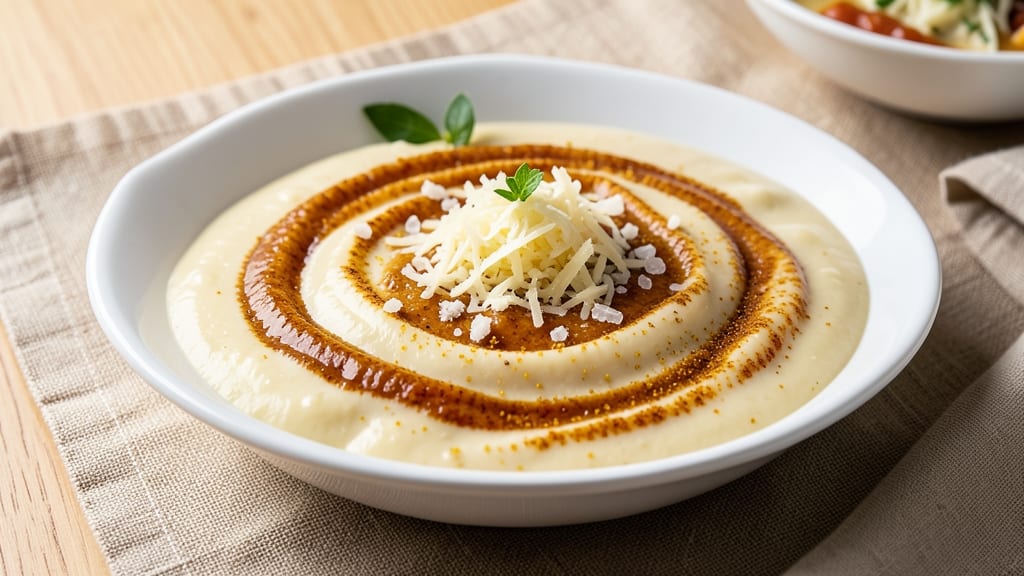
This basic mac and cheese sauce recipe delivers velvety, lump-free perfection every time—no clumping, no graininess, just rich, creamy goodness that clings to every noodle. The secret lies in a proper roux and precise cheese ratios, transforming simple pantry staples into a sauce so smooth it rivals restaurant versions.
I've perfected this method after years of testing, ensuring it works whether you're making a classic baked mac or using it as a creamy pasta topping.
What sets this sauce apart is the two-step cooking process: first melting butter and flour to create a stable base, then gradually whisking in milk and shredded cheese to prevent lumps.
Sharp cheddar forms the foundation, but you can customize it with Gruyère, Monterey Jack, or even a smoky Gouda for deeper flavor. The sauce thickens beautifully without breaking, even when reheated, making it ideal for meal prep or last-minute dinners.
By the time you're done, you'll have a silky, golden sauce that coats noodles perfectly—no scraping required. The texture is luxurious yet balanced, with just enough tang from the cheese to cut through the richness.
This is the kind of sauce that transforms ordinary pasta into something special, and it comes together in under 20 minutes with basic ingredients.
Use it for mac and cheese, as a creamy pasta sauce, or even as a dip for roasted vegetables. The possibilities are endless, but the technique remains the same—simple, reliable, and foolproof. Let's get started on that perfect sauce.
Ingredients for basic mac and cheese sauce
Eight pantry staples transform into velvety perfection—no lumps, no scraping, just restaurant-quality sauce.
| Ingredient | Amount | Notes |
|---|---|---|
| Unsalted Butter 🧈 | ½ cup | Cold, cubed for even melting |
| All-Purpose Flour 🌾 | ½ cup | Sifted for smooth texture |
| Sharp White Cheddar Cheese 🧀 | 2 cups | Freshly shredded, block preferred |
| Whole Milk 🥛 | 2 cups | Room temperature for best blend |
| Medium-Grind Yellow Cornmeal 🌽 | 2 tbsp | For ultra-smooth texture |
| Diamond Crystal Kosher Salt 🧂 | 1 ½ tsp | Adjust to taste, don't skip |
| Freshly Ground Black Pepper 🌶️ | ½ tsp | Freshly cracked for brightness |
| Nutritional Yeast (Optional) 🍞 | 2 tbsp | For umami depth, not essential |
| Heavy Cream (Optional) 🥛 | ¼ cup | For extra richness, skip for lighter version |
The butter matters here—European-style unsalted melts smoother than American brands. Plugrá or Kerrygold are my go-tos, but any good-quality butter works. Flour? King Arthur or Bob's Red Mill sifted gives the best texture—don't skip sifting. For cheese, sharp white cheddar is non-negotiable (Cabot or Tillamook are solid choices). Pro tip: Buy a block and shred yourself—pre-shredded has anti-caking agents that make the sauce grainy. The cornmeal is the secret weapon—it creates that signature ultra-smooth texture without altering flavor.
No sharp cheddar? Gruyère or smoked Gouda work beautifully for depth. Heavy cream optional but worth it for extra richness—Hormel or Organic Valley are reliable. Milk temperature matters: cold milk makes lumps, so let it sit out for 10 minutes. Freshly ground pepper makes a difference—pre-ground tastes flat. Nutritional yeast adds umami but can be skipped. For a dairy-free version, swap butter for vegan butter and milk for unsweetened almond milk (though texture will differ). Store-bought cheese sauce packets? Don't even think about it—this is 100x better.
This sauce reheats beautifully—microwave in 30-second bursts with a splash of milk to restore creaminess. Keeps 5 days in the fridge, 3 months frozen. For freezing, cool completely first, then portion into airtight containers. Double the batch and freeze half—perfect for lazy weeknights. Leftovers? Toss with pasta, use as a dip, or bake into mac and cheese. The possibilities are endless, but the technique stays the same: patience and proper ratios.
Why You'll Love This Recipe
- No-Fuss Stovetop Magic: I swear by this roux—just butter, flour, and milk—because it’s the kind of sauce that forgives mistakes. The cornmeal? That’s my secret for a velvety finish without lumps, even if I’m distracted by a screaming toddler.
- Sharp Cheese Wins: That sharp white cheddar melts into something richer than takeout, and the cornmeal gives it this addictive, slightly crispy texture. Honestly, it’s the kind of flavor that makes me want to eat it straight from the pan.
- Weeknight Workhorse: This sauce is my go-to for lazy nights, potlucks, or feeding a crowd—just toss it with pasta, bake it, or even drizzle it over veggies. Between us, it’s the only thing that gets my picky eaters to clean their plates.
- Budget-Friendly Leftovers: A single batch stretches for three meals, and the ingredients cost less than half of store-bought sauce. Plus, it reheats like a dream—no soggy noodles, just that same creamy, cheesy perfection.
Step-by-step instructions for velvety mac and cheese sauce
Here's how to make the smoothest, lump-free sauce using just one pot.
Melt the Butter and Create the Roux
Place a heavy-bottomed pot over medium heat and add the 0.5 cup unsalted butter, cubed. Let it melt completely, swirling occasionally, until the butter foams and turns golden—about 3-4 minutes. This is your base, and you want it fully melted but not browned.
Once melted, reduce the heat to medium-low and gradually whisk in the 0.5 cup all-purpose flour. Keep stirring constantly for 2-3 minutes until the mixture thickens into a smooth, pale roux. This step is crucial—it removes the raw flour taste and creates the velvety texture. If it starts to brown, reduce the heat further or you'll taste bitterness.
Gradually Add Milk for a Silky Texture
Slowly pour in the 2 cups room-temperature whole milk while whisking vigorously to prevent lumps. Start with a thin stream, then increase to a steady pour. Keep whisking for 3-4 minutes until the mixture thickens into a creamy sauce that coats the back of a spoon.
Here's the thing—adding milk too quickly creates lumps. If you see any, immediately whisk them out. If the sauce gets too thick before all the milk is incorporated, add a splash of warm water to loosen it. Once smooth, stir in the 2 tbsp medium-grind yellow cornmeal and whisk for another 1 minute—this gives the sauce that ultra-smooth, almost custard-like quality.
Incorporate the Cheese for Maximum Melt
Lower the heat to low and begin adding the 2 cups freshly shredded sharp white cheddar cheese in small batches. Stir constantly for 1-2 minutes between additions to ensure even melting. If the cheese clumps, break it up with a wooden spoon or whisk.
This is where patience pays off. If you add all the cheese at once, you'll end up with stringy, unmelted bits. Keep the heat low—low—to prevent scorching. The sauce should be glossy and thick, almost like a rich, creamy pudding. If it looks too thick, whisk in a splash of warm milk to loosen it.
Season and Finish with Optional Upgrades
Remove the pot from heat and stir in the 1.5 tsp diamond crystal kosher salt and 0.5 tsp freshly ground black pepper. Taste and adjust the seasoning—this is your chance to make it perfect. For extra depth, whisk in the 2 tbsp nutritional yeast (optional) now. It adds a nutty, umami richness that elevates the flavor.
If you're using the 0.25 cup heavy cream (optional), stir it in now for a luxurious finish. The sauce should be silky, smooth, and ready to coat your macaroni perfectly. For the best texture, strain the sauce through a fine-mesh sieve if you want it completely lump-free—though with these steps, it should already be velvety.
Combine with Pasta for the Ultimate Bowl
Return the sauce to low heat and add cooked macaroni, tossing gently until every strand is coated. If the sauce is too thick, add a splash of pasta water to loosen it. The goal is a glossy, creamy finish that clings to each noodle. Serve immediately while hot, garnished with extra cheese or black pepper if desired.
This sauce is the foundation—creamy, rich, and perfectly balanced. The cornmeal gives it that signature smoothness, while the sharp cheddar ensures a tangy kick. Every bite should be velvety, cheesy, and utterly satisfying. No lumps, no graininess—just pure, comforting mac and cheese perfection.
Pro Tips For Making Basic Mac And Cheese Sauce
- MELT CHEESE SLOWLY: After you remove the sauce from heat, stir in the shredded cheddar in three batches—wait 30 seconds between each. I learned this the hard way: dumping it all in at once turns your creamy sauce into a greasy mess. Low and steady wins the race here.
- WHISK LIKE YOU MEAN IT: When combining milk and flour, don’t just stir—whisk vigorously for 2 full minutes until the roux is smooth and pale. That extra effort prevents lumps later, and trust me, nothing’s worse than scraping gummy bits off your tongue mid-bite.
- STRAIN THE MILK FIRST: Warm the milk in a saucepan until tiny bubbles form at the edges, then strain it through a fine-mesh sieve into your measuring cup. This removes any sediment or curdling agents lurking in store-bought milk, and your sauce will be silkier as a result.
- TOAST THE CORNMEAL: Dry-toast the cornmeal in a separate pan over medium heat for 2–3 minutes until it smells nutty before mixing it into the sauce. It adds depth without overpowering, and skipping this step leaves your mac with a bland, floury aftertaste. (Yes, even if you’re impatient like me.)
Regional styles of this dish
Southern Comfort
This classic version hails from the American South, where sharp cheddar and a touch of cayenne create bold, tangy flavor. I add ¼ tsp cayenne pepper when melting the cheese for a subtle kick, and finish with 1 tbsp hot sauce (like Crystal) for extra heat.
Serve with crispy fried onions on top—trust me, the contrast is next-level. 🌶️
New England Creaminess
Up north, they take their mac and cheese sauce extra smooth with a ¼ cup cornstarch slurry (mix cornstarch with cold milk) instead of cornmeal. I also swap some cheddar for Gruyère (1 cup) for nutty depth.
The result? A velvety, almost custard-like texture that's perfect for baked mac and cheese. Top with toasted breadcrumbs for crunch.
Midwest Rustic Style
The Midwest version keeps it simple but hearty—no fancy cheeses here. I use Monterey Jack (1 cup) mixed with cheddar for a milder, creamier sauce. Add ½ cup diced ham when combining with pasta for a classic touch.
This style is all about comfort food at its finest—simple, satisfying, and perfect for family dinners.
Italian-Inspired
For a twist, I replace half the cheddar with Pecorino Romano (1 cup) and add 1 tsp dried oregano when melting the cheese. Finish with ¼ cup grated Parmesan and a splash of heavy cream. This version pairs beautifully with cavatappi pasta and a sprinkle of red pepper flakes.
California Fusion
West Coast chefs love to experiment! I blend sharp cheddar with smoked Gouda (1 cup each) and add ½ tsp smoked paprika when making the roux.
For extra richness, stir in 2 tbsp cream cheese at the end. Top with crispy bacon bits and scallions for a modern take on a classic.
Vegetarian Vegan Twist
For plant-based versions, use vegan butter and unsweetened almond milk (2 cups). Replace cheese with 2 cups vegan cheddar shreds (like Violife) and add 1 tbsp nutritional yeast for umami. The cornmeal helps create that signature smooth texture—just whisk extra carefully to avoid lumps. 🌱
Nutrition facts
Frequently asked questions
Why does my mac and cheese sauce get lumpy?
Lumps happen when cheese or flour clumps together before fully incorporating. Always whisk constantly when adding milk to the roux, and add cheese gradually over low heat. For extra smoothness, strain through a fine-mesh sieve at the end. The cornmeal in this recipe helps prevent lumps by creating a stable texture.
Can I make this sauce without cornmeal?
Yes, but your sauce may be slightly grainier. Cornmeal acts as a natural thickener and smooths the texture. As a substitute, use ¼ cup cornstarch mixed with 2 tbsp cold milk to create a slurry, then whisk it in during the milk addition step. The result won't be quite as velvety, though.
How do I adjust the thickness of the sauce?
If your sauce is too thick, whisk in 1-2 tablespoons of warm milk or pasta water until it reaches a creamy consistency. For a thicker sauce, simmer uncovered for 2-3 minutes to evaporate excess liquid. The ideal texture should coat the back of a spoon but still flow smoothly.
What's the best cheese for this recipe?
Sharp white cheddar is the star here—it melts perfectly and adds tangy flavor. For extra depth, blend it with Gruyère (for nutty notes) or smoked Gouda (for richness). Avoid pre-shredded cheese (it contains anti-caking agents that cause graininess). Freshly shredded block cheese melts the smoothest.
Can I make this sauce ahead of time?
This sauce reheats beautifully. Store it in an airtight container in the fridge for up to 5 days. To reheat, warm over low heat on the stove, stirring frequently and adding a splash of milk if it thickens too much. For freezing, cool completely first, then freeze in portions for up to 3 months. Thaw overnight in the fridge before reheating.