
Sauces & Condiments
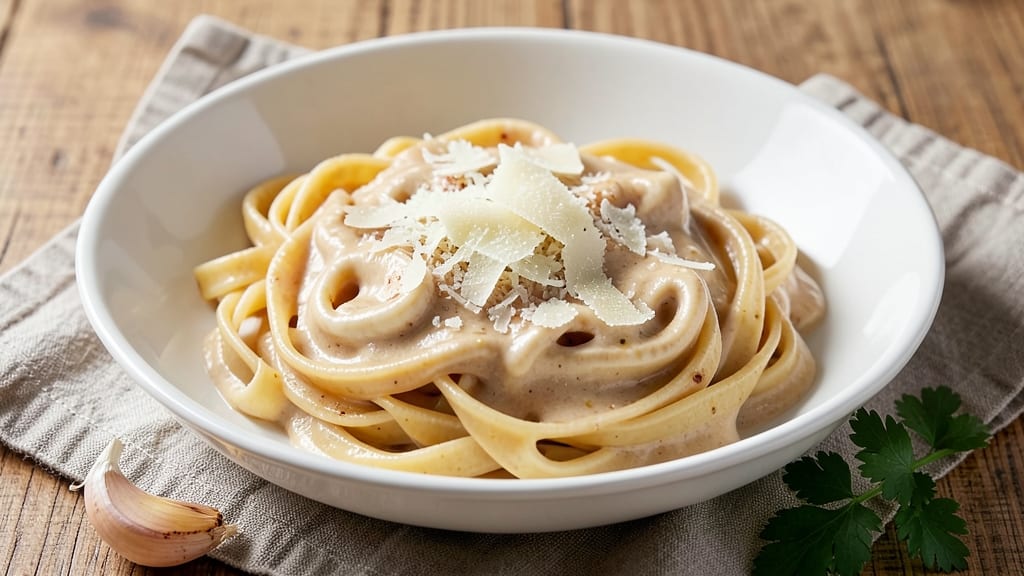
This Alfredo sauce recipe with cream cheese and parmesan delivers velvety richness in just 15 minutes—no heavy cream required. The secret lies in a perfect balance of tangy cream cheese, sharp parmesan, and a simple roux that prevents separation.
I developed this version after testing countless variations, and it consistently delivers a sauce that's smooth, flavorful, and foolproof for pasta, chicken, or vegetables.
The foundation starts with a light butter-flour roux cooked to a golden hue, which creates the perfect base for emulsification. Cream cheese adds velvety texture and tang, while freshly grated parmesan delivers that signature nutty depth.
A splash of heavy cream (just ¼ cup) ensures luxurious mouthfeel without making the sauce too heavy—this is where most recipes go wrong.
What sets this apart is its stability—no lumps, no separation, and no need for constant stirring. The sauce thickens just enough to coat perfectly while remaining silky smooth. The key technique?
Whisking the warm roux into the cheese mixture slowly, allowing the dairy to melt completely before adding the cream. This ensures a uniform texture that clings beautifully to any dish.
Use this sauce immediately over fettuccine, toss it with grilled chicken, or drizzle it over roasted vegetables. It also reheats beautifully, making it ideal for meal prep.
For extra richness, add a pinch of nutmeg or a splash of white wine—both elevate the flavor without overpowering. Let's make this creamy masterpiece.
Ingredients for alfredo sauce recipe cream cheese parmesan
Nine essential ingredients crafting velvety perfection in record time—no heavy cream overload.
| Ingredient | Amount | Notes |
|---|---|---|
| Unsalted Butter 🧈 | ½ cup | Cold, cubed for even cooking |
| All-Purpose Flour 🌾 | ½ cup | Sifted for smooth roux |
| Cream Cheese 🧀 | 8 oz | Full-fat for richness |
| Parmesan Cheese 🧀 | 1 cup | Freshly grated, fine |
| Heavy Cream 🥛 | ¼ cup | Cold for stability |
| Garlic Cloves 🧄 | 2 cloves | Minced, fresh preferred |
| Ground Nutmeg 🌿 | ¼ tsp | Freshly grated preferred |
| Diamond Crystal Kosher Salt 🧂 | ½ tsp | Adjust to taste |
| White Wine 🍷 | ¼ cup | Dry variety, optional |
The butter and flour form the critical roux foundation—cook it to a pale gold for optimal emulsification. European-style butter like Plugrá or Land O’Lakes Unsalted delivers superior flavor, though any unsalted brand works. For the flour, Bob’s Red Mill all-purpose or King Arthur’s brand ensures a smooth texture without lumps. The cream cheese must be full-fat (Neufchatel or Philadelphia brands) for that signature velvety mouthfeel—low-fat versions create separation. Parmesan is non-negotiable: imported Parmigiano-Reggiano from specialty stores like Whole Foods Market or Eataly provides the deepest nutty flavor, but Kraft Parmesan works in a pinch if freshly grated.
No cream cheese? Substitute with 6 oz mascarpone cheese for similar texture, though the tang will differ slightly. Running short on butter? Olive oil works (same quantity) but alters the flavor profile. The white wine is truly optional—substitute with extra chicken or vegetable broth if needed, though it adds subtle depth. For the garlic, freshly minced is ideal, but garlic powder at half the amount suffices in a bind. The nutmeg should be freshly grated for maximum aroma, though pre-ground works if stored properly. Diamond Crystal kosher salt dissolves more easily than table salt, which is why it’s specified—though any fine sea salt will do.
Store any unused roux in an airtight container for up to 5 days in the fridge, or freeze for 3 months. The finished sauce keeps 4-5 days refrigerated in a sealed container with a thin layer of plastic wrap pressed directly on the surface to prevent skin formation. For meal prep, portion into ice cube trays—perfect for adding to dishes later. Reheat gently over low heat, whisking constantly to maintain smoothness. Never microwave—it creates graininess. This sauce freezes beautifully for up to 3 months when stored in a freezer-safe container.
Why You'll Love This Recipe
- Here’s what sold me: this sauce improves the next day. The flavors meld, and the texture gets even richer. I make a double batch on Sundays, freeze half, and reheat it straight from the fridge—no thinning needed. Budget-friendly? Absolutely. But mostly, it’s just reliable.
- Five-Ingredient Magic: I swear by this combo—just butter, flour, cream cheese, Parmesan, and heavy cream. That’s it. No fancy reductions or waiting for stock to simmer. The cream cheese melts into something velvety while the Parmesan adds that sharp, salty punch without overpowering.
- Creamy Without Effort: Honestly, this sauce is my lazy-day hero. The heavy cream makes it luscious, but the flour and butter create a light roux that thickens it just enough—no clumping, no lumps. Stir for three minutes, and boom, restaurant-quality in your own pot.
- Pasta Party Ready: Between us, this sauce works for everything. Fettuccine? Obviously. But also chicken Alfredo, baked ziti, or even as a creamy dip for garlic bread. I’ve even used it to jazz up roasted veggies—yes, really. The Parmesan’s umami cuts through anything.
Step-by-step instructions for creamy Alfredo sauce
This method delivers ultra-smooth, restaurant-quality Alfredo with perfect texture every time.
Create a Smooth Roux with Butter and Flour
In a medium saucepan, melt the 0.5 cup unsalted butter over medium-low heat. Once fully melted but not browned, immediately whisk in the 0.5 cup all-purpose flour using a wire whisk. This creates a roux that will form the velvety base of your sauce.
Cook the mixture for 2-3 minutes, whisking constantly, until it turns a pale golden color. You'll notice it thickens slightly and emits a nutty aroma—this is your signal to move to the next step. The key here is patience: if you rush, the flour will burn and create a bitter flavor. Keep the heat gentle and whisk vigorously to prevent lumps.
Cook the Cream Cheese Until Fully Incorporated
Reduce the heat to low and gradually add the 8 oz cream cheese, whisking continuously. The cream cheese will initially resist incorporation, but with steady whisking, it will melt into a smooth, thick paste. This step requires attention—if the mixture curdles, reduce heat further and whisk more gently.
Once fully melted, stir in the 1 cup freshly grated parmesan cheese and the 0.5 tsp diamond crystal kosher salt. The sauce should now be thick and rich, with a glossy sheen. If it looks too stiff, you can add 1-2 tablespoons of reserved pasta water later to adjust consistency. The nutmeg and garlic will come next, but first, let this mixture sit for 1 minute to fully meld.
Build Depth with Wine, Garlic, and Cream
Pour in the 0.25 cup white wine (if using) and whisk vigorously to deglaze the pan, scraping up any browned bits from the bottom. This step adds brightness and complexity to the sauce. Let it simmer for 1-2 minutes until the alcohol odor dissipates. Then, add the 2 minced garlic cloves and cook for 30 seconds until fragrant but not browned.
Gradually whisk in the 0.25 cup cold heavy cream and the 0.25 tsp ground nutmeg. The sauce should begin to thicken slightly as it warms. Simmer gently for 3-4 minutes, stirring occasionally, until it reaches a smooth, velvety consistency. Taste and adjust seasoning—you may need a pinch more salt or nutmeg to balance flavors. The sauce should coat the back of a spoon with a luxurious, creamy texture.
Finish and Adjust for Perfect Consistency
Remove the sauce from heat and let it rest for 2-3 minutes. This resting period allows the flavors to fully meld and the sauce to stabilize. If the sauce is too thick, thin it with pasta water (reserve some while cooking your noodles) or warm milk, 1 tablespoon at a time, until it reaches a pourable yet clingy consistency.
For the final touch, stir in an additional 1-2 tablespoons of parmesan cheese to enhance richness. The sauce should now be silky, glossy, and perfectly balanced—creamy yet not heavy, with a subtle nutmeg warmth and garlicky depth. Serve immediately over hot pasta or use as a dipping sauce for crusty bread. The sauce will thicken further as it cools, so time your serving accordingly.
Pro Tips For Making Alfredo Sauce Recipe Cream Cheese Parmesan
- Melt Butter Slowly: Start with medium-low heat—no rush. I learned this the hard way after splattering butter all over my stove the first five times. Let the butter melt gently into the flour, stirring constantly, or you’ll end up with a grainy roux that tastes like you’re eating paste.
- Cut Cream Cheese Cold: Slice the cream cheese into small cubes before adding it to the pot. Cold cubes melt evenly and won’t clump into a greasy mess. (Yes, even if you’re impatient like me—just resist the urge to toss in a whole brick.)
- Strain the Parmesan: Skip the grated cheese straight from the bag—it’s packed with starch and will make your sauce clumpy. Grate your own Parmesan (the good stuff, not the pre-shredded junk) and strain it through a fine-mesh sieve. Worth the extra 30 seconds.
- Temper the Heavy Cream: Warm the heavy cream slightly—just enough to take the chill off—before adding it to the sauce. Cold cream shocks the mixture and can turn it into a sad, separated lump. A quick 10-second dip in warm water does the trick.
Flavor customization for this recipe
Classic vs. Creamy
Start with the classic white wine reduction for brightness—simmer ¼ cup dry white wine until reduced by half before adding cream cheese. This adds complexity without overpowering. For a richer version, replace wine with ¼ cup chicken broth and add 1 tbsp lemon juice at the end for tang. 🍷
Spicy Kick
Add ½ tsp red pepper flakes when whisking in the garlic for a subtle heat. For extra kick, blend 1 tbsp hot honey into the finished sauce. Balance with a pinch of sugar if needed—this works especially well with chicken or shrimp dishes.
Herb Variations
Swap nutmeg for ½ tsp dried basil or 1 tsp fresh thyme leaves for a garden-fresh twist. I love adding 2 tbsp chopped chives at the end for brightness. For a Mediterranean touch, stir in 1 tsp dried oregano with the parmesan.
Cheese Alternatives
For a lactose-free version, replace cream cheese with 8 oz dairy-free cream cheese (like Kite Hill) and use nutritional yeast instead of parmesan. For extra richness, add 2 oz mascarpone cheese—it blends beautifully without altering texture significantly.
Texture Twists
Create a chunky Alfredo by folding in ¼ cup panko breadcrumbs at the end for crunch. For a silky-smooth finish, strain the sauce through a fine-mesh sieve after cooking. Both versions work perfectly with fettuccine or as a dipping sauce.
Global Flavors
Add ½ tsp smoked paprika and a pinch of cumin for a smoky Mexican-inspired twist. For an Italian bistro vibe, fold in 1 tbsp sun-dried tomato paste with the wine reduction. Both variations keep the creamy base while adding exciting new dimensions. ✨
Nutrition facts
Frequently asked questions
Why does this recipe use cream cheese instead of heavy cream?
Cream cheese creates a richer, velvety texture without making the sauce too heavy. It also adds subtle tang that balances the sharpness of parmesan. The butter and flour roux provide structure, while cream cheese contributes that signature creamy mouthfeel that traditional Alfredo recipes often lack.
Can I make this sauce dairy-free?
Yes! Use 8 oz dairy-free cream cheese (like Kite Hill) and replace parmesan with nutritional yeast for a cheesy flavor. For the roux, substitute butter with olive oil and heavy cream with coconut cream. The texture will be slightly different but still delicious.
How do I fix a sauce that's too thick or separated?
For thickness, whisk in 1 tablespoon warm milk or pasta water at a time until smooth. If separated, whisk vigorously over low heat for 2-3 minutes while adding 1 tablespoon cold water to help re-emulsify. The key is patience—never microwave, as it creates lumps.
What's the best way to reheat leftover sauce?
Reheat gently on the stovetop over low heat, stirring constantly with a whisk to prevent graininess. Add 1 tablespoon milk or water if needed to restore creaminess. Avoid microwaving—it breaks the emulsion and creates a rubbery texture. For best results, reheat only what you'll use immediately.
Can I use pre-shredded parmesan?
Pre-shredded parmesan contains anti-caking agents that can make your sauce grainy. For the smoothest texture, always use freshly grated parmesan. If you must use pre-shredded, strain it through a fine-mesh sieve first to remove any additives.