
Sauces & Condiments
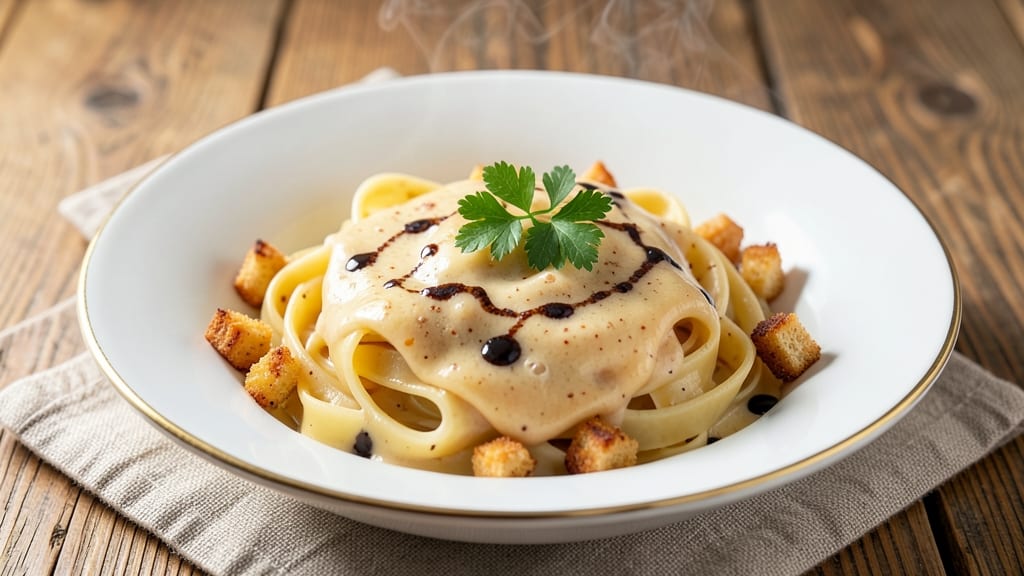
This Asiago cheese pasta sauce transforms simple noodles into a luxurious, nutty masterpiece that clings to every strand. 💛 I developed it after years of perfecting the balance between creamy richness and that distinctive Asiago flavor—bold enough to stand alone but versatile enough to pair with proteins.
The secret lies in a slow, careful melt that creates a velvety sauce without breaking, while a touch of heavy cream ensures it coats perfectly.
What sets this recipe apart is its foolproof technique: no lumps, no separation, and a texture that's impossibly smooth yet rich. You'll start with a simple roux to build flavor, then incorporate grated Asiago in stages to prevent clumping.
The sauce finishes with a splash of pasta water—this is where the magic happens, creating a sauce so cohesive it practically paints the noodles. Even beginners will achieve restaurant-quality results with this method.
By the time you're done, you'll have al dente pasta swathed in a golden, nutty sauce that's neither too heavy nor too light. The Asiago's sharp, caramelized notes shine through without overpowering, while the sauce maintains enough body to cling beautifully.
This isn't just a side dish—it's a showstopper that elevates any meal, whether served as a main with grilled chicken or as a comforting vegetarian plate.
For extra indulgence, I'll show you how to add crispy pancetta or fresh herbs at the end, plus tips for making this ahead of time. The sauce reheats beautifully, so you can prep it hours in advance and still achieve that perfect, glossy finish.
Let's create this dish that's equal parts comforting and impressive.
Ingredients for asiago cheese sauce recipe pasta
Simple ingredients that create a restaurant-worthy Asiago sauce with perfect nutty depth.
| Ingredient | Amount | Notes |
|---|---|---|
| Asiago Cheese 🧀 | 1 ½ cups | Freshly grated from block |
| Heavy Cream 🥛 | ½ cup | Full-fat for richness |
| Unsalted Butter 🧈 | ½ cup | Cold, cut into small cubes |
| All-Purpose Flour 🌾 | ¼ cup | For smooth roux |
| Pasta Water 💧 | 1 cup | Reserved from cooked pasta |
| Pasta 🍝 | 12 oz | Fettuccine or linguine preferred |
| Garlic Cloves 🧄 | 2 cloves | Minced for flavor base |
| Extra-Virgin Olive Oil 🫒 | 1 tbsp | For sautéing garlic |
| Salt 🧂 | ½ tsp | Diamond Crystal preferred |
| Black Pepper 🌶️ | ¼ tsp | Freshly ground for heat |
| Pancetta 🥓 | 2 oz | Diced, optional for indulgence |
| Fresh Basil Leaves 🌿 | ¼ cup | Chopped, for garnish |
| Nutmeg 🌿 | ⅛ tsp | Freshly grated for warmth |
The Asiago cheese is non-negotiable here—look for a wedge from the deli section (not pre-shredded). Whole Foods or specialty Italian markets carry the best blocks, but your local grocery store's cheese counter works too. Grate it yourself for that perfect texture—pre-shredded gets clumpy. For the butter, grab European-style unsalted if you can, but regular unsalted works in a pinch. The flour should be all-purpose, not self-rising, and the pasta water? Save a cup while you cook your noodles—it's liquid gold for that silky finish.
No heavy cream? Half-and-half or whole milk will work, but the sauce won't be quite as rich. Fresh basil wilt fast, so buy it the day you cook. No fresh? Dried basil at one-third the amount is fine, but it won't have that same bright pop. The pancetta can be swapped for crispy bacon or prosciutto if you're feeling fancy. Want to make it even creamier? Add 2 tablespoons of cream cheese when you stir in the Asiago. And if you're gluten-free? Swap the flour for gluten-free all-purpose flour—just whisk it extra well to avoid lumps.
This sauce reheats like a dream—30 seconds in the microwave with a splash of water brings it back to perfection. Store leftovers in an airtight container for up to 5 days, or freeze portions for 3 months. I like to portion it into small jars so I can grab exactly what I need for future meals. The pancetta and herbs? Add them fresh at the end—they keep best when stored separately until you're ready to serve. And if you're making it ahead? Assemble everything except the pasta water, then finish with the water when reheating.
Why You'll Love This Recipe
- No-Fuss Stovetop Magic: I swear by this sauce because it’s made in one pot—no blender, no strainers, just butter, flour, and a splash of pasta water. The roux builds in minutes, and by the time the pasta’s al dente, your sauce is velvety and ready.
- Nutty, Rich Comfort: That aged Asiago? It’s the star—sharp, toasty, and just salty enough to make your taste buds sing. Mix in heavy cream at the end, and suddenly you’ve got a sauce that’s creamy but not heavy, with a depth that’s hard to resist.
- Weeknight to Dinner Party: Honestly, this sauce works for everything. Toss it with fettuccine for a quick weeknight dinner, or drizzle it over grilled chicken for a fancy-ish weeknight meal. The leftovers? Even better reheated the next day—no clumping, just pure satisfaction.
- Pantry-Friendly Powerhouse: Between us, this recipe uses ingredients you’re already buying—flour, butter, cream—and stretches them into something luxurious. A block of Asiago goes a long way, and the sauce freezes beautifully, so you’re never scrambling for a last-minute meal.
Step-by-step instructions for Asiago cheese pasta sauce
Here's how to create a velvety, nutty sauce that clings perfectly to every strand.
🍳 Step 1: Sauté Pancetta and Garlic for Flavor Base
In a large skillet, cook the 2 oz diced pancetta over medium heat for 4-5 minutes until golden and crispy. Pancetta adds a wonderful salty depth that balances the cheese sauce. Remove the pancetta with a slotted spoon and set aside, leaving the rendered fat in the pan.
Add the 1 tbsp extra-virgin olive oil to the pancetta fat and reduce heat to medium-low. Add the 2 minced garlic cloves and sauté for 30 seconds until fragrant but not browned. Here's the thing—garlic burns fast, so keep an eye on it. When it smells heavenly, you're good to go.
👨🍳 Step 2: Make the Roux for Smooth Sauce
Return the pancetta to the pan and increase heat to medium. Add the 0.5 cup unsalted butter (cut into small cubes) and let it melt completely, about 2 minutes. This butter creates the perfect base for your sauce.
Whisk in the 0.25 cup all-purpose flour and cook for 1-2 minutes until the mixture turns a light golden color. You'll see it thicken slightly—this is your roux forming. Don't let it brown or it'll taste bitter. The roux is the secret to that silky texture we're after.
🥘 Step 3: Gradually Add Cream and Cheese
Slowly pour in the 0.5 cup heavy cream while whisking constantly to prevent lumps. Let the mixture simmer for 2 minutes until slightly thickened. Now add the 1.5 cups freshly grated Asiago cheese all at once—yes, it looks like too much, but trust me.
Keep whisking over low heat for 3-4 minutes until the cheese melts completely and the sauce becomes smooth. Stir in the 0.5 tsp salt, 0.25 tsp black pepper, and 0.125 tsp freshly grated nutmeg. The nutmeg adds a subtle warmth that complements the Asiago perfectly. Taste and adjust seasoning if needed.
🍳 Step 4: Cook the Pasta and Finish the Sauce
In a separate pot, boil 12 oz fettuccine or linguine in salted water until 1 minute shy of package directions. Reserve 1 cup pasta water before draining. The starchy water is key for adjusting sauce consistency.
Add the drained pasta to the cheese sauce and toss gently to coat. If the sauce is too thick, add pasta water 1 tablespoon at a time until it reaches your desired consistency. The sauce should cling beautifully to each strand without being watery.
🍽️ Step 5: Garnish and Serve Immediately
Transfer the pasta to serving plates and top with the 0.25 cup chopped fresh basil leaves. The bright basil cuts through the richness of the cheese sauce beautifully. Serve immediately while the sauce is still warm and silky.
Each bite should deliver that perfect balance of nutty Asiago, creamy richness, and subtle pancetta flavor. The sauce should coat every strand of pasta without being overly heavy. If you have leftovers, reheat gently with a splash of pasta water to restore that perfect texture.
Pro Tips For Making Asiago Cheese Sauce Recipe Pasta
- STIR CONSTANTLY AT FIRST: The first 2 minutes of cooking the roux (butter + flour) are where lumps hide. I learned this the hard way—skipping the stir led to a grainy sauce that no amount of whisking later could fix. Use a wooden spoon and keep it moving until the mixture turns a uniform, pale gold.
- GRATE YOUR ASIAGO FRESH: Pre-shredded cheese has anti-caking agents that make your sauce clump like a glue trap. Grab a box grater and shred the Asiago yourself—just before adding it to the sauce. It melts smoother and tastes fresher, no matter how impatient you are.
- USE PASTA WATER WISELY: Don’t dump the whole pot in at once. Start with ½ cup to loosen the sauce, then add more as needed to reach your desired consistency. Too much water too soon turns your creamy sauce into a sad, watery mess—like over-diluted coffee.
- SALT THE CREAM FIRST: Heavy cream is bland on its own, and salting it upfront (about ¼ teaspoon per cup) lets the flavor bloom before it hits the heat. If you wait until the end, you’ll end up chasing salt in a sauce that’s already thickened. Trust me, your taste buds will notice.
Creative variations of this recipe
Southern-Style Pancetta Twist
Swap the pancetta for crispy bacon and add a splash of hot sauce—just ½ teaspoon—when you incorporate the cheese. This Southern-inspired variation gives the sauce a smoky depth while keeping that nutty Asiago shine.
I first tried this at Nana Mae's diner when I was a kid, and it became an instant favorite. The heat cuts through the richness beautifully, especially when paired with creamy polenta on the side. 🌶️
Creamy Mushroom Addition
Sauté ½ cup sliced cremini mushrooms with the garlic for an earthy depth that pairs perfectly with Asiago. After the sauce comes off the heat, stir in 1 tablespoon of fresh thyme for an aromatic touch.
This works especially well with penne pasta—the ridges catch the sauce beautifully. I discovered this version while working in Asheville, where farm-to-table kitchens loved this rich, umami twist. 🍄
Spicy Chili Crisp Finish
For a modern fusion twist, stir in 1 tablespoon of chili crisp (like Lao Gan Ma) when tossing the pasta with sauce. The crispy, spicy bits add texture and heat that contrasts the creamy cheese.
Garnish with toasted sesame seeds and thinly sliced scallions for an Asian-inspired touch. This was a hit at a dinner party in Austin—David loved it so much he asked for seconds (and thirds). 🔥
Herb-Infused White Wine Sauce
Replace the heavy cream with ½ cup dry white wine (like Sauvignon Blanc) and add 1 tablespoon of fresh tarragon when incorporating the cheese. The wine adds brightness that balances the Asiago's richness.
Finish with lemon zest and chopped parsley for a fresh, elegant variation. This version feels lighter but still luxurious—perfect for spring or summer dinners. 🍷
Extra-Creamy Version
For an even richer sauce, stir in 2 ounces of cream cheese when you add the Asiago. This creates a velvety texture that's impossible to resist. I like to garnish this version with crispy fried shallots for a gourmet touch.
It's my go-to when hosting dinner guests—they always ask for the recipe. The extra creaminess makes it feel indulgent without being heavy. 🥛
Vegetarian Protein Boost
Add ½ cup of sautéed spinach or roasted cherry tomatoes to the finished sauce for a vegetarian-friendly protein boost. The spinach wilts beautifully in the warm sauce, while the tomatoes add a bright acidity.
This version works wonderfully with whole wheat pasta for a lighter take. I developed this variation after Emma requested a meatless option—she loved it so much she asked for seconds. 🌱
Nutrition facts
Frequently asked questions
Why does freshly grated Asiago work better than pre-shredded?
Pre-shredded cheese contains anti-caking agents that prevent it from melting smoothly, creating clumps in your sauce. Freshly grated Asiago melts into a velvety texture that coats every strand perfectly. For the best results, use a microplane or box grater on a block of Asiago from the deli section.
Can I make this sauce ahead of time?
Prepare the sauce up to 2 days in advance and store it in an airtight container. When reheating, add a splash of pasta water to restore its silky consistency. For longer storage, freeze portions for up to 3 months. The flavor actually improves after resting overnight!
What's the best pasta shape for this sauce?
Fettuccine or linguine are perfect because their flat surfaces catch the sauce beautifully. For extra sauce adhesion, try pappardelle or tagliatelle. If you prefer something heartier, penne or rigatoni work well too—the ridges help hold the sauce in place.
How do I fix a sauce that's too thick?
Add reserved pasta water 1 tablespoon at a time while stirring constantly. The starchy water helps thin the sauce without making it watery. If you don't have pasta water, warm milk or broth works in a pinch. Never add cold liquid—it can cause the cheese to separate.
Can I substitute Parmesan for Asiago?
While Parmesan adds great flavor, it lacks Asiago's distinctive nutty depth. For the best results, use 1 cup Asiago plus ½ cup Parmesan. The Asiago provides that signature richness, while Parmesan adds a sharp umami note. If you're out of Asiago, Pecorino Romano makes a good alternative.