
Sauces & Condiments
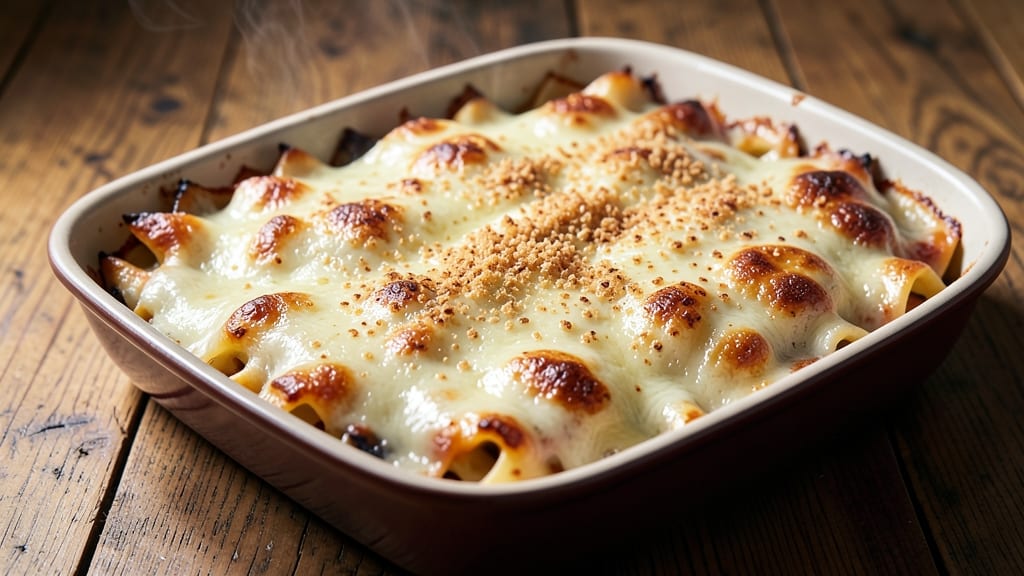
This au gratin cheese sauce recipe transforms simple pantry staples into a velvety, nutmeg-kissed masterpiece that elevates any dish. The foundation is a classic béchamel—rich, smooth, and perfectly balanced—where butter and flour create a silky roux before warm milk transforms it into a creamy base.
What sets this sauce apart is the careful layering of sharp cheddar and Gruyère, melted just until smooth, with a whisper of nutmeg adding depth that makes every bite unforgettable.
The secret lies in patience and precision: whisking constantly to prevent lumps, simmering until thickened to a luxurious coat, and finishing with a touch of cream for extra richness.
This sauce isn’t just for potatoes—it’s the star of creamy pasta dishes, hearty casseroles, or even as a decadent topping for grilled meats. The texture is what you’d expect from a restaurant-quality au gratin: silky yet substantial, with a subtle golden hue that signals perfect execution.
What makes this recipe truly foolproof is the step-by-step method that ensures no graininess or separation. The cheese melts smoothly into the warm béchamel, creating a sauce that clings beautifully to whatever it covers.
For an extra touch of elegance, a sprinkle of toasted breadcrumbs adds a delicate crunch, while a final dusting of nutmeg ties all the flavors together.
Once mastered, this sauce becomes your go-to for transforming simple ingredients into something extraordinary. It’s the kind of recipe that makes you feel like a chef—without the fuss. Ready to elevate your cooking? Here’s how to make it.
Ingredients for au gratin cheese sauce
Nine essential ingredients crafting restaurant-quality au gratin perfection from your kitchen.
| Ingredient | Amount | Notes |
|---|---|---|
| Unsalted Butter 🧈 | ¾ cup | Cold, cubed for even melting |
| All-Purpose Flour 🌾 | ¾ cup | Sifted for smooth sauce texture |
| Whole Milk 🥛 | 3 cups | Warmed slightly for best blend |
| Sharp White Cheddar Cheese 🧀 | 1 ½ cups | Freshly grated, block preferred |
| Gruyère Cheese 🧀 | 1 cup | Finely grated, nutty flavor |
| Heavy Cream 🥛 | ½ cup | Full-fat for luxurious finish |
| Fresh Nutmeg 🌿 | ¼ tsp | Finely grated, aromatic |
| Salt 🧂 | ½ tsp | Diamond Crystal preferred |
| White Pepper 🌶️ | ¼ tsp | Freshly ground for subtle warmth |
| Toasted Breadcrumbs 🍞 | ¼ cup | Panko, lightly browned |
The butter and flour form the béchamel's backbone—European-style butter from Land O'Lakes or Plugrá adds richness, while King Arthur flour ensures a silky texture. Gruyère is non-negotiable for that signature nutty depth; Whittard of Chelsea or local artisanal shops carry the best. For the cheddar, Cabot or sharp white cheddar from specialty grocers delivers the tangy punch this sauce needs. Pre-grated cheese? Skip it—it's full of anti-caking agents that create graininess. Instead, invest in a microplane for perfectly fine shavings.
No Gruyère? Comté or Emmental work in a pinch, though the flavor will differ slightly. Substituting whole milk? Half-and-half or light cream adds richness but may separate—stir vigorously to compensate. Running short on breadcrumbs? Crushed cornflakes or panko provide a similar crunch. For the nutmeg, pre-ground works fine, but freshly grated from a whole nutmeg pod elevates the dish. The key to smooth melting is low-and-slow heat—rushing creates lumps. If your sauce breaks, whisk in 1 tsp cold water per cup of sauce to restore silkiness.
This sauce keeps beautifully—3-4 days in the fridge, sealed tightly with plastic wrap pressed directly on the surface to prevent a skin. For longer storage, freeze in ice cube trays for single servings or 1-cup portions in airtight containers. Reheat gently on low, adding a splash of milk if it thickens too much. The breadcrumbs should be toasted just until golden—5 minutes at 350°F—and stored in an airtight container for up to 2 weeks. Always let the sauce cool slightly before refrigerating to preserve its velvety texture.
Why You'll Love This Recipe
- Five-Ingredient Magic: I swear by this combo—just butter, flour, milk, and those two cheeses. No fancy techniques, no last-minute grocery runs. The Gruyère melts like a dream, and the sharp cheddar adds that tangy punch without overpowering.
- Crispy-Creamy Obsession: That golden crust? It’s the flour roux and slow simmer—crunchy on top, silky underneath. Honestly, I’ll take this over store-bought sauce any day. The Gruyère’s nutty depth and cheddar’s sharpness make it ridiculously good on its own or over potatoes.
- Weeknight Workhorse: I use this for mashed potatoes, baked ziti, or even as a dip—no extra effort. (Yes, even on a Tuesday night.) The sauce reheats perfectly, and the cheeses stretch it thin when needed, so it’s my go-to for stretching a budget without sacrificing flavor.
- Leftovers That Win: This sauce keeps for days in the fridge and freezes like a champ. I’ll make a big batch, portion it, and toss it in the freezer—perfect for lazy mornings or last-minute dinner upgrades. No sad, watery reheats here; it’s always rich and ready.
Step-by-step instructions for au gratin cheese sauce
Master this rich, velvety sauce with a perfect béchamel foundation and aromatic nutmeg finish.
Create the Béchamel Base
Melt the 0.75 cup Unsalted Butter in a medium saucepan over medium heat, stirring constantly until it foams and turns golden. This should take about 3-4 minutes—don't rush it, as even melting ensures proper flavor development.
Once the butter is fully melted and bubbling gently, reduce the heat to medium-low and gradually whisk in the 0.75 cup All-Purpose Flour. I like to add it in two additions, whisking vigorously after each to prevent lumps. Cook for 2-3 minutes until the mixture forms a smooth, pale roux with no raw flour taste.
This roux is the backbone of your sauce. If it darkens too much, you'll develop a nutty flavor that works for some dishes but can be bitter for delicate au gratin. Keep a close eye on it—it should look like pale sand when fully cooked.
Gradually Incorporate the Milk
Slowly pour in the 3 cups Whole Milk, whisking continuously to prevent lumps from forming. I add it in a steady stream rather than all at once—this gradual incorporation creates a smoother sauce. After adding about half, increase the heat to medium to help the sauce thicken.
Once all the milk is incorporated, continue cooking for 5-7 minutes until the sauce thickens enough to coat the back of a spoon. You're aiming for a consistency similar to heavy cream but slightly thicker—it should leave a visible trail when you run your finger through it. Stir frequently to prevent sticking.
The reason we warm the milk slightly beforehand is to ensure the sauce comes together smoothly without curdling. If you notice any lumps forming, immediately strain the sauce through a fine-mesh sieve into a clean saucepan.
Add Cheeses and Seasonings
Lower the heat to low and gradually whisk in the 1.5 cups Sharp White Cheddar Cheese and 1 cup Gruyère Cheese until fully melted and smooth. I've found that adding the cheeses in this order—cheddar first, then Gruyère—creates a balanced flavor profile with both sharpness and nutty depth.
Next, stir in the 0.5 cup Heavy Cream, 0.5 tsp Salt, 0.25 tsp Fresh Nutmeg, and 0.25 tsp White Pepper. The nutmeg should be freshly grated for maximum aromatic impact. Taste the sauce and adjust the seasoning if needed—sometimes the cheddar can be quite salty, so I often reduce the additional salt to 0.25 tsp at this point.
Keep the sauce at a gentle simmer for 3-5 minutes to allow all the flavors to meld together. The nutmeg will infuse its warm, slightly sweet aroma throughout the sauce, creating that classic au gratin character. If the sauce starts to thicken too much, whisk in 1-2 tablespoons of milk to reach your desired consistency.
Finish and Prepare for Topping
Remove the sauce from heat and let it sit for 2-3 minutes to thicken slightly. This resting period allows the sauce to come together perfectly before adding any toppings. The final consistency should be thick enough to coat the back of a spoon but still pourable.
For that perfect au gratin finish, sprinkle the 0.25 cup Toasted Breadcrumbs over the sauce just before serving. The breadcrumbs add a delightful textural contrast and help create that golden, crispy topping when baked. If you're using this sauce immediately, you can also stir in the breadcrumbs for a more rustic presentation.
This sauce is now ready to be poured over potatoes, vegetables, or even used as a luxurious filling for baked pasta. The key to success lies in the gradual cooking process and proper seasoning—don't be afraid to taste as you go and adjust accordingly. The result should be a rich, velvety sauce with just the right amount of cheesy depth and aromatic nutmeg.
Pro Tips For Making Au Gratin Cheese Sauce
- Cook the roux low: I learned this the hard way—when you melt the butter and add flour, keep the heat at a gentle simmer. Too hot, and you’ll end up with a floury taste instead of that creamy, nutty base. Stir like you mean it for 3-4 minutes until it’s the color of pale toast, then start adding the milk slowly.
- Grate the cheese fine: Skip the food processor for this one—your hands work better. Sharp white cheddar and Gruyère should be grated into tiny, almost powdery bits. Big chunks? They’ll melt unevenly and leave you with a sauce that’s more lumpy than luxurious. (Yes, even if you’re impatient like me.)
- Temper the milk: Pouring cold milk into a hot roux is a one-way ticket to scrambled cheese sauce. Warm the milk first—just enough to take the chill off—so it blends smoothly without curdling. A quick microwave splash or a few seconds in a saucepan does the trick.
- Salt in layers: The cheese and butter already bring salt, but don’t assume. Add a pinch to the roux, another to the milk, and finish with a taste at the end. Gruyère’s salty edge needs balancing, and sharp cheddar can sneak up on you. Taste as you go—this isn’t a guessing game.
Creative variations of au gratin cheese sauce
Creamy Pasta Perfection
Transform this au gratin sauce into a decadent pasta dish by tossing it with 12 oz fettuccine or penne pasta. Cook the pasta al dente, reserving ½ cup pasta water, then mix in the warm cheese sauce.
For extra richness, stir in 2 tbsp butter and a splash of pasta water to achieve that signature silky consistency. Finish with ½ cup grated Parmesan and black pepper. 🍝
Vegetable Au Gratin Twist
Use this sauce as a luxurious topping for roasted vegetables like brussels sprouts, carrots, or zucchini. Toss the veggies in 1 tbsp olive oil and roast at 400°F for 20 minutes before adding the cheese sauce.
Top with breadcrumbs and broil for 3-5 minutes until golden. The nutmeg in the sauce pairs beautifully with the earthy flavors of root vegetables.
Meat Lover's Upgrade
Elevate grilled or roasted meats by using this sauce as a dipping sauce or drizzling it over seared chicken breasts, pork chops, or steak. The creamy, cheesy texture contrasts perfectly with the savory flavors of meat.
For a restaurant-style presentation, serve with a side of roasted potatoes and a sprinkle of fresh parsley. The Gruyère adds a sophisticated touch that impresses dinner guests.
Breakfast Au Gratin
Start your day with a cheesy twist on breakfast by using this sauce as a topping for breakfast casseroles, quiches, or even scrambled eggs. Mix the sauce with 2 beaten eggs and pour over hash browns or diced potatoes in a baking dish.
Bake at 375°F for 25-30 minutes until bubbly and golden. The nutmeg adds a warm, comforting flavor that makes this breakfast dish feel like a cozy brunch.
Global Fusion Adaptations
For a Mexican-inspired version, swap the Gruyère for Monterey Jack cheese and add ½ tsp cumin and ¼ tsp smoked paprika to the sauce. Use it as a topping for tacos or nachos with all the fixings.
For an Italian twist, stir in ½ cup sun-dried tomatoes and ¼ cup basil for a Caprese-inspired au gratin sauce that pairs beautifully with grilled vegetables or crusty bread.
Make-Ahead Magic
Prepare the sauce ahead of time and store it in an airtight container in the fridge for up to 4 days. When ready to use, reheat gently on the stovetop over low heat, stirring in 1-2 tbsp milk if needed to restore creaminess.
For a freezer-friendly version, freeze the sauce in 1-cup portions and thaw overnight in the fridge. The flavors actually deepen over time, making this a perfect sauce to have on hand for last-minute meals. ✨
Nutrition facts
Frequently asked questions
Can I make this cheese sauce without Gruyère?
Replace the 1 cup Gruyère with an equal amount of Comté or Emmental for a similar nutty depth. For a sharper flavor, use extra cheddar or even Parmesan—just reduce the salt by 0.125 tsp since these cheeses are saltier. The sauce will still be delicious, though the texture may be slightly firmer.
Why did my sauce get grainy?
Graininess usually happens when cheese melts too quickly or lumps form during cooking. To fix it, immediately strain the sauce through a fine-mesh sieve into a clean saucepan, then whisk in 1 tsp cold water per cup of sauce to restore silkiness. For prevention, always melt cheese over low heat and whisk constantly. Pre-grated cheese is a common culprit—opt for freshly grated instead!
How do I adjust the consistency for different dishes?
For pasta or vegetables, aim for a sauce that coats the back of a spoon but remains pourable. If too thick, whisk in 1-2 tbsp milk at a time. For baked dishes like casseroles, make it slightly thicker so it holds its shape when baked. Pro tip: The sauce will thicken further as it cools, so stop slightly thinner than desired.
Can I make this sauce dairy-free?
Yes! Swap the butter for vegan butter or olive oil, use unsweetened almond milk or oat milk instead of whole milk, and replace cheeses with nutritional yeast or vegan cheddar. For thickness, add 1 tbsp cornstarch mixed with cold water to the roux. The flavor won't be identical, but it'll still be creamy and delicious.
How long can I keep leftover cheese sauce?
Store leftovers in an airtight container in the fridge for up to 4 days, with plastic wrap pressed directly on the surface to prevent a skin. For longer storage, freeze in 1-cup portions for up to 3 months. Thaw overnight in the fridge and reheat gently on low heat, adding a splash of milk if it thickens too much. The flavors actually improve over time!