
Appetizers
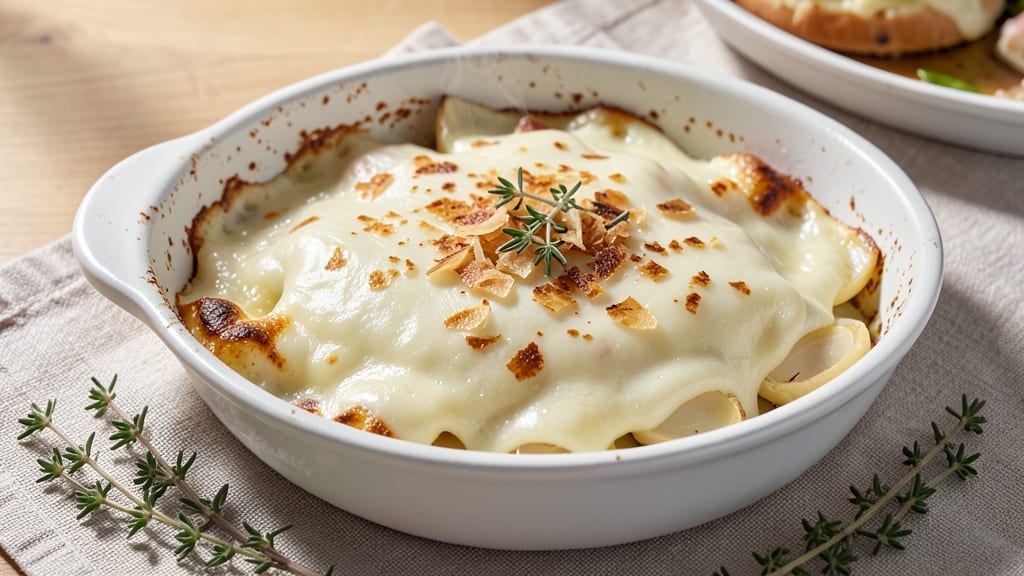
This béchamel cheese sauce recipe transforms simple pantry staples into the creamy, velvety foundation for everything from mac and cheese to lasagna. The secret lies in a proper roux—cooking butter and flour until golden—before gradually whisking in warm milk to create a silky texture.
I’ve perfected this method to eliminate lumps while maximizing flavor, ensuring every bite is rich and smooth without being overly heavy.
The sauce builds on classic béchamel by incorporating sharp cheddar and nutty Gruyère, creating a balance of tang and depth. Optional additions like garlic, Dijon mustard, or fresh herbs elevate it further, making it versatile for both classic dishes and creative twists.
What sets this recipe apart is its foolproof technique—no overcooking, no curdling—just a perfectly emulsified sauce that clings beautifully to pasta, vegetables, or casserole toppings.
By the time you’re done, you’ll have a restaurant-quality sauce that’s smoother than store-bought versions and far more customizable. The key is patience: letting the sauce simmer gently until thickened but never broken.
This isn’t just a side—it’s the star of the dish, turning simple meals into something extraordinary with minimal effort.
Store leftovers in the fridge for up to 5 days or freeze for longer use, making it the ultimate pantry staple. Whether you’re layering lasagna, topping gratin, or enriching soups, this béchamel cheese sauce delivers unmatched creaminess every time.
Ingredients for bechamel cheese
Nine essential ingredients create a velvety, restaurant-quality béchamel cheese foundation for endless dishes.
| Ingredient | Amount | Notes |
|---|---|---|
| Unsalted Butter 🧈 | ½ cup | Cold, cut into small cubes |
| All-Purpose Flour 🌾 | ½ cup | Diamond Crystal preferred |
| Whole Milk 🥛 | 2 cups | Warm before adding to roux |
| Sharp White Cheddar Cheese 🧀 | 1 cup | Shredded, aged 6+ months |
| Gruyère Cheese 🧀 | ½ cup | Shredded, nutty variety |
| Garlic Cloves 🧄 | 2 cloves | Minced, optional for depth |
| Dijon Mustard 🍯 | 1 tbsp | Mellows cheese sharpness |
| Fresh Thyme Leaves 🌿 | ¼ cup | Chopped, optional garnish |
| Salt 🧂 | ½ tsp | Diamond Crystal kosher |
| White Peppercorns 🌶️ | ¼ tsp | Freshly ground, optional |
The butter and flour form the critical roux—cook them together until golden brown for that nutty depth. European-style butter like Plugrá or Land O'Lakes works best for flavor. For the flour, Diamond Crystal measures differently than other brands, so use the spoon-and-level method. Warm the milk separately to 110°F before adding to prevent curdling. The cheeses are non-negotiable: aged cheddar for sharpness and Gruyère for nutty complexity. I always buy pre-shredded cheese for convenience, but fresh-grated melts more smoothly. For the garlic, roasted cloves add sweetness without overpowering.
No Gruyère? Parmesan or Emmental in equal measure works well, though texture will differ slightly. Substitute whole milk with half-and-half for extra richness, but the sauce will be heavier. Fresh thyme can be swapped for dried at one-third the amount, though fresh is preferred. For a dairy-free version, use unsweetened almond milk and nutritional yeast instead of cheese. The Dijon mustard is optional but balances the cheese's sharpness beautifully. If you're sensitive to gluten, gluten-free all-purpose flour works in a pinch, though the roux may be slightly less stable.
This sauce thickens as it cools, so remove it from heat just before it reaches desired consistency. For storage, let it cool completely before transferring to an airtight container. Keeps in the fridge for 5 days and freezes beautifully for 3 months. To reheat, warm gently over low heat, stirring constantly. For best results, reheat only what you need—reheating multiple times can cause separation. The sauce thickens further when chilled, so adjust with a splash of warm milk if needed. Portion into ice cube trays for easy single-use servings.
Why You'll Love This Recipe
- I’ll be real: most sauces turn into glue after day two. Not this one. The cheese keeps it rich but not greasy, and it reheats like a dream. Freeze half for lazy mornings or toss it into a casserole later—it’s the kind of leftovers I actually look forward to.
- Pantry Staples Only: I swear by this recipe because it uses stuff I already have—no special trips to the store. Butter, flour, milk, and a couple of cheeses? That’s it. The Gruyère melts into this velvety, nutty richness while the cheddar adds that sharp bite I crave.
- One-Pot Magic: Honestly, this is my lazy-day hero. Melt butter, whisk in flour, add milk, and stir until thick—no chopping, no fuss. The roux builds flavor while you’re still scraping the pot, and by the time the cheeses melt in, you’re left with something that tastes like it simmered for hours.
- Weeknight Reinventor: Between us, this sauce is my secret weapon for turning boring meals into something special. Dump it over pasta, swirl it into baked potatoes, or use it as a creamy base for veggies—it’s the glue that makes everything taste gourmet without extra effort.
Step-by-step instructions for béchamel cheese sauce
Master this velvety foundation with precise technique and rich flavor development.
Create a Smooth Roux
Melt the 0.5 cup unsalted butter in a medium saucepan over medium-low heat. Watch closely as it foams, then add the 0.5 cup all-purpose flour all at once. Whisk vigorously for 2-3 minutes until the mixture forms a thick, pale golden paste with no raw flour taste.
This roux is your sauce's backbone. If it darkens too quickly, reduce the heat slightly—you want a blond roux, not brown. The constant whisking prevents lumps and ensures even cooking. Once smooth, let it cook for another 1 minute to cook off any remaining flour flavor before adding liquid.
Gradually Incorporate Warm Milk
Remove the pan from heat and slowly pour in the 2 cups warm whole milk, whisking continuously to prevent clumping. Return to medium-low heat and cook for 5-7 minutes, stirring frequently, until the mixture thickens enough to coat the back of a spoon.
The milk should simmer gently but not boil—vigorous bubbling can cause the sauce to break. If it thickens too quickly, add a splash of cold milk to loosen it. This gradual process develops the sauce's velvety texture while preventing curdling from heat shock.
Add Cheeses and Seasonings
Reduce heat to low and gradually whisk in the 1 cup sharp white cheddar cheese and 0.5 cup gruyère cheese until completely melted and smooth. Stir in the 1 tbsp Dijon mustard, 2 cloves minced garlic, 0.5 tsp salt, and 0.25 tsp freshly ground white peppercorns.
Here's where the sauce transforms from basic béchamel to something extraordinary. The cheddar brings tangy brightness while the gruyère adds nutty depth. The mustard and garlic mellow the cheese's sharpness, creating a balanced, restaurant-quality sauce. Keep stirring gently to prevent scorching.
Finish with Fresh Thyme
Remove from heat and stir in the 0.25 cup chopped fresh thyme leaves. Let the sauce rest for 5 minutes to allow flavors to meld completely. Adjust seasoning if needed—this sauce should taste rich but not overpowering.
The thyme adds a bright, herbal note that cuts through the richness. This resting period is crucial—it lets the sauce thicken slightly from residual heat and allows all the flavors to harmonize. For serving, strain through a fine-mesh sieve if you prefer an ultra-smooth texture, or leave it slightly textured for better mouthfeel.
Pro Tips For Making Bechamel Cheese
- Melt Butter Slowly: I learned this the hard way—dumping cold butter into the pan at medium heat makes it splatter and burn. Instead, cut the butter into small cubes and add them one at a time, letting each melt completely before stirring in the next. This keeps your roux smooth and prevents that bitter, burnt flavor that ruins everything.
- Whisk Like You Mean It: The moment you add milk to your roux, grab that whisk and go to town. I used to stir lazily, and my bechamel would clump up like glue. Keep the heat low, but whip vigorously for at least 3-5 minutes until the mixture thickens enough to coat the back of a spoon. No shortcuts here—this is the thing that matters most.
- Grated Cheese Only: Pre-shredded cheese is a cheater’s move for this recipe. The anti-caking agents in bagged cheese make your sauce grainy and separate. Instead, grab a box grater and shred your own cheddar and Gruyère—freshly grated cheese melts smoothly and blends seamlessly into the sauce. Yes, it takes 2 minutes extra, but it makes a real difference.
- Temper the Cheese: Cold cheese straight from the fridge will shock your warm bechamel and cause it to split like a bad marriage. Instead, let your grated cheese sit in a bowl over simmering water for 5 minutes to warm it up. Then, slowly fold it into the sauce while stirring constantly. This keeps your sauce silky, not lumpy.
Dietary considerations for this dish
Gluten-Free Adaptation
Replace the 0.5 cup all-purpose flour with 0.5 cup gluten-free all-purpose flour blend like Bob's Red Mill 1-to-1. The sauce may require 1-2 extra minutes of simmering to reach proper thickness since gluten-free flours absorb liquid differently.
For extra stability, whisk in 1 tbsp cornstarch with the milk before adding to the roux. 🌾
Dairy-Free Version
Swap the 2 cups whole milk for 2 cups unsweetened almond milk (or oat milk for creaminess) and replace cheeses with 1 cup nutritional yeast plus 2 tbsp white miso paste for umami depth.
Use 0.25 cup vegan butter instead of regular butter, and add 1 tsp apple cider vinegar to balance flavors. The texture will be lighter but still velvety when properly emulsified.
Lactose-Free Option
Keep the original recipe but use lactose-free butter and lactose-free milk (like Lactaid). The cheeses should be labeled lactose-free—sharp white cheddar and Gruyère are typically low in lactose, but always verify. This version maintains the same rich texture while being digestible for those with lactose sensitivity.
Low-Fat Modification
Reduce butter to 0.25 cup and use 1 cup low-fat milk instead of whole milk. Add 1 tbsp Greek yogurt at the end for creaminess without excess fat.
The sauce will be slightly lighter but still luxurious. For extra flavor, increase garlic to 3 cloves and thyme to 0.5 cup to compensate for the reduced richness.
Nut-Free Safety
For nut allergies, use oat milk instead of almond milk in the dairy-free version. Ensure all cheeses are nut-free (some Gruyère blends contain almond milk). Double-check labels on nutritional yeast and miso paste for cross-contamination warnings. This version maintains the same velvety texture while being completely nut-free.
Vegan-Friendly Upgrade
Combine 0.25 cup cashew cream (blended soaked cashews) with 1.75 cups water to replace milk, and use 1 cup vegan cheddar shreds (like Violife) plus 0.5 cup vegan Gruyère.
Add 1 tsp tapioca starch to the roux for better thickening. The result is a surprisingly rich, creamy sauce that holds up beautifully in lasagna or mac and cheese. 🌱
Nutrition facts
Frequently asked questions
Why does my béchamel cheese sauce look grainy?
Graininess usually means the cheese didn't melt completely or the sauce separated. Always shred cheese fresh (or buy pre-shredded labeled "melts smoothly") and whisk constantly while heating. If it happens, strain the sauce through a fine-mesh sieve or whisk in 1 teaspoon of cold milk to re-emulsify.
Can I make this sauce without butter?
Yes! For a lighter version, use 0.25 cup olive oil instead of butter in the roux. The sauce will have a slightly different flavor profile but still be creamy. For extra richness, add 1 tablespoon of cream cheese at the end. Just remember olive oil has a lower smoke point, so keep heat at medium-low.
How do I prevent lumps in my béchamel?
Lumps form when flour isn't properly cooked or milk is added too quickly. Whisk constantly while cooking the roux until it's smooth and golden. Remove from heat before adding milk, then whisk vigorously while pouring. If lumps appear, immediately whisk in 1 tablespoon of cold milk to dissolve them.
What's the best way to use leftover béchamel cheese sauce?
This sauce freezes beautifully for up to 3 months! Portion into ice cube trays, then transfer to freezer bags. For best results, thaw in the fridge overnight. Reheat gently over low heat, stirring constantly. It thickens when cooled, so add a splash of warm milk if needed. Perfect for quick pasta dishes or last-minute casseroles!
Can I make this sauce with powdered milk instead of fresh?
Not recommended for this recipe—powdered milk can make the sauce grainy and less creamy. However, if you must, whisk the powdered milk with a little cold water first to dissolve completely before adding to the roux. For best results, always use fresh whole milk or a high-quality dairy alternative like oat milk for creaminess.