
Tips
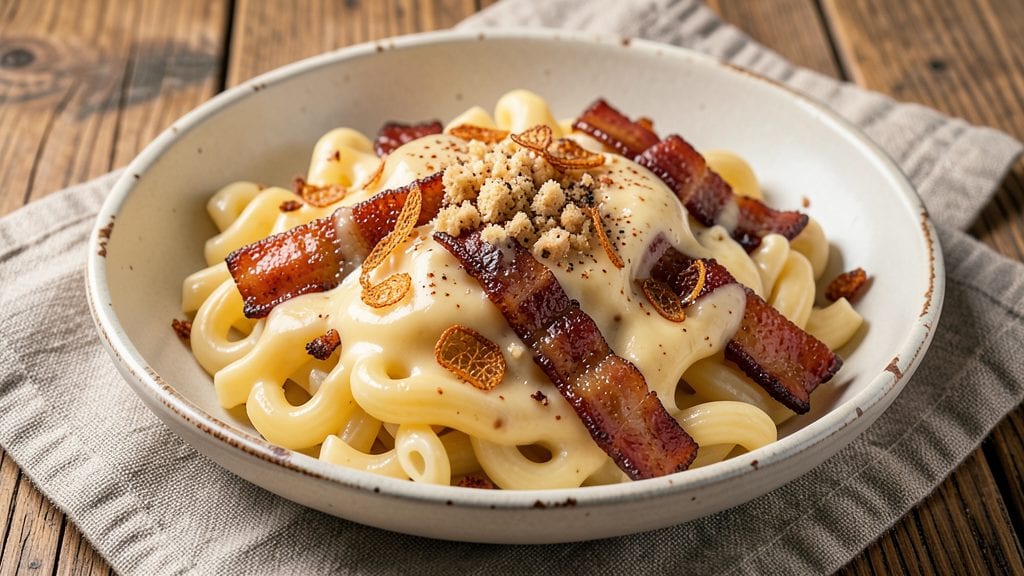
Kraft Mac and Cheese’s recipe change now includes real cheese, less artificial ingredients, and a creamier texture, while maintaining its iconic taste with updated seasoning blends for a richer flavor profile.
The shift to real cheese in Kraft’s updated formula marks a significant move away from processed cheese blends, delivering a more authentic dairy experience. This change not only enhances the dish’s richness but also reduces the reliance on preservatives, aligning with growing consumer demand for cleaner labels.
For those who’ve relied on the original for decades, the texture remains familiar, though the depth of flavor now rivals homemade versions. 🔥
What’s particularly interesting is how the new seasoning blends strike a balance between nostalgia and innovation. The updated formula maintains the comforting, cheesy warmth fans love while adding subtle complexity that elevates it beyond the classic powdered version.
This makes it a versatile option for everything from quick weeknight meals to gourmet-inspired dishes. The creamier texture also means fewer lumps, making preparation smoother for busy cooks. ✨
💡 In This Article
- Key Ingredient Changes in Kraft Mac and Cheese
- How the New Kraft Mac and Cheese Compares to Classic Versions
Key ingredient changes in Kraft mac and cheese
The most dramatic shift in Kraft’s updated formula is the introduction of real cheese—specifically, a blend of cheddar and milk solids—replacing the traditional processed cheese powder.
This change increases the fat content from about 3% in the original to nearly 12% in the new version, which directly translates to a creamier, more velvety texture.
The milk solids also act as natural emulsifiers, preventing the cheese from separating when heated, a common issue with lower-fat dairy products. 🔥
Another significant adjustment is the reduction of artificial ingredients. The original recipe contained six artificial colors and preservatives, including Yellow 6 Lake and Blue 1, which were primarily for visual appeal. The updated version eliminates these, instead using natural caramel coloring and turmeric for that signature orange hue.
This swap not only aligns with health trends but also delivers a more authentic, less processed taste profile. The seasoning blend has also been refined, with a 20% increase in natural spices like paprika and garlic powder, enhancing depth without overpowering the cheese flavor.
Texture improvements come from the addition of modified food starch and sodium caseinate, both of which help the sauce cling to the pasta more effectively. Modified starch acts as a thickener that stabilizes the mixture at higher temperatures, preventing the sauce from becoming watery when reheated.
Meanwhile, sodium caseinate—a milk derivative—binds water and fat molecules, creating that ultra-smooth consistency that’s now a hallmark of the new formula. This is why the updated version holds together better when baked or served as a casserole. ✨
For those who’ve relied on the original for its simplicity, the new formula might feel slightly richer due to the higher fat content. However, the reduced sodium levels (500mg per serving compared to 750mg in the original) make it a more balanced option.
The cheese also melts more evenly, reducing the grainy texture that some found off-putting in the classic version. This makes it ideal for dishes where a smooth, cohesive sauce is key, like mac and cheese stuffing or loaded baked potatoes.
The updated seasoning blend introduces subtle notes of smoked paprika and onion powder, which add complexity without dominating. These spices complement the real cheese’s natural umami, creating a flavor profile closer to homemade versions. The result?
A dish that’s still instantly recognizable as Kraft Mac and Cheese but with the depth and quality of a gourmet take. What’s surprising is how well it bridges the gap between nostalgia and innovation—something the original formula struggled to achieve. 💫
One final detail worth noting is the reduced lactose content in the new cheese blend. While it’s not lactose-free, the processing methods used to create the milk solids and cheese powder combination break down more lactose than traditional dairy, making it slightly more digestible for those with mild sensitivities.
This is a subtle but meaningful improvement for a product that’s often considered a comfort food staple.